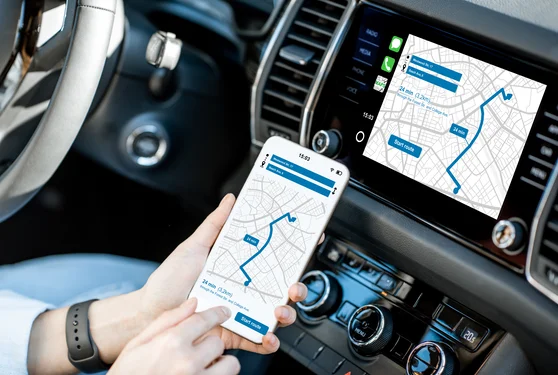

The global taxi and ride-hailing industry is currently in the midst of its digital transformation era. Taxi businesses need to rely heavily on automated dispatch software to manage ride bookings, drivers, payments, and real-time ride tracking.
Industry Needs is becoming more and more digital, which brings security as a major concern for taxi dispatch platforms.
According to market research sources, the taxi service market globally is expected to grow faster, and that makes a boom in the taxi dispatch software market too, as billions of ride requests are processed every day through digital platforms. According to data from various sources, ride-hailing technologies now facilitate more than 65 billion rides annually and handle over 120 million ride requests daily worldwide.
With such enormous data volume, taxi dispatch platforms store highly sensitive information, including:
- Passenger personal data
- Driver identity and documents
- Payment information
- GPS location data
- Ride history and travel patterns
If the system is not properly secured, they become prone to cyberattacks. Transportation companies increasingly face threats such as ransomware attacks, phishing attempts, malware infiltration, and data breaches.
Recently, several high-profile ride-hailing platforms have experienced cyber incidents where hackers gained access to internal systems and sensitive data.
For taxi operators and mobility platforms, security is no longer optional - it is essential for building trust, ensuring compliance, and protecting operations.
What security features should taxi dispatch software have?
Taxi dispatch software must include strong security features to protect passenger data, driver identities, payment transactions, and real-time location information. The most essential security features include:
- End-to-end data encryption
- Multi-factor authentication
- Secure payment gateway integration
- GPS location security
- Role-based access control
- Driver identity verification
- AI-based fraud detection
- Secure APIs
- Cloud infrastructure protection
- Compliance with global privacy regulations
These security measures ensure safe ride-hailing operations and protect mobility platforms from cyber threats.
Let's explore the 10 essential security features every taxi dispatch software must have in 2026 or beyond to ensure a safe, reliable, and scalable mobility platform.

End-to-End Data Encryption
One of the most important security features in taxi dispatch software is end-to-end encryption. Encryption protects sensitive data by converting it into unreadable code that can only be accessed with a decryption key.
Taxi dispatch platforms process massive volumes of sensitive information, including:
- Passenger contact details
- Driver identification data
- Payment transactions
- GPS location tracking
Without encryption, this information could be intercepted by attackers during transmission.
Why Encryption Matters
End-to-end encryption ensures:
- Data security during transmission
- Protection against man-in-the-middle attacks
- Compliance with privacy regulations
- Secure communication between driver, passenger, and server
Modern dispatch platforms use AES-256 encryption and HTTPS/TLS protocols to protect data.
Encryption must also be applied to:
- Database storage
- API communications
- Mobile app requests
- Payment processing
Encrypted data storage is considered one of the most essential security practices in modern dispatch systems.
Multi-Factor Authentication (MFA)
Passwords alone are no longer enough to secure user accounts. Weak or reused passwords are responsible for a large percentage of cybersecurity breaches.
Multi-factor authentication adds an additional layer of protection by requiring users to verify their identity using multiple factors.
Common authentication methods include:
- Password + OTP
- Password + biometric verification
- Password + authenticator apps
- SMS verification codes
Benefits of MFA
Multi-factor authentication provides:
- Strong protection against unauthorized access
- Reduced risk of credential theft
- Improved account security for drivers and admins
Taxi dispatch platforms should enable MFA for:
- Drivers
- Passengers
- Admin dashboard users
- Fleet managers
This ensures that even if login credentials are compromised, attackers cannot access the system.
Secure Payment Gateway Integration
Taxi dispatch software processes millions of financial transactions every day. Payment security is therefore one of the most critical elements of the platform.
A secure dispatch system should support PCI-DSS compliant payment gateways, ensuring that card data and payment information are protected.
Essential payment security features include:
- Tokenization of payment data
- Encrypted payment processing
- Fraud detection systems
- Secure digital wallet integration
Why Payment Security Matters
Payment fraud can result in:
- Financial losses
- Legal liabilities
- Reputation damage
Secure payment systems protect both riders and taxi companies from financial fraud.
Modern taxi platforms also support:
- Apple Pay / Google Pay
- Digital wallets
- UPI payments
- Subscription payments
These payment channels must be protected with strong encryption and transaction monitoring.
Real-Time GPS Tracking Security
GPS tracking is a core feature of taxi dispatch systems. However, location data is extremely sensitive and must be protected carefully.
Location data reveals:
- Passenger travel history
- Driver routes
- Pickup and drop-off locations
- Behavioral patterns
Researchers have identified potential privacy leakage risks in ride-hailing platforms where driver or passenger locations could be exposed if systems are not properly secured.
Secure GPS Tracking Measures
To secure location data, taxi dispatch platforms should implement:
- Encrypted GPS communication
- Location anonymization techniques
- Limited data retention policies
- Secure mapping APIs
Some platforms also use location obfuscation, which hides exact coordinates until the ride is confirmed.
This prevents attackers from tracking users in real time.

Driver Identity Verification
Passenger safety is one of the most important factors in ride-hailing platforms. Dispatch systems must verify driver identities before allowing them to accept ride requests.
Driver verification should include:
- Government ID verification
- Driving license validation
- Background checks
- Vehicle registration verification
- Facial recognition or selfie verification
Advanced dispatch systems also implement continuous identity verification to ensure that the registered driver is the one operating the vehicle.
Some emerging solutions use blockchain-based identity verification models to enhance driver trust and transparency.
Fraud Detection and AI Risk Monitoring
Ride-hailing platforms are vulnerable to several types of fraud, including:
- Fake ride bookings
- Driver-passenger collusion
- Payment fraud
- Promo code abuse
- Location spoofing
AI-powered fraud detection systems analyze platform behavior and identify suspicious activity.
Fraud Detection Methods
Modern taxi dispatch platforms use:
- Machine learning fraud detection
- Risk scoring algorithms
- Real-time transaction monitoring
- Behavioral analytics
For example, systems can detect anomalies such as:
- Repeated ride cancellations
- Unusual route patterns
- Fake GPS signals
These tools help prevent financial losses and protect platform integrity.
Secure API Architecture
Taxi dispatch platforms rely heavily on APIs to connect different components of the ecosystem.
APIs are used for:
- Mobile app communication
- Payment gateway integration
- Mapping services
- Notification systems
However, insecure APIs are a major cybersecurity risk. Many mobile applications become vulnerable due to unsafe third-party API integrations.
Secure API Practices
Taxi dispatch software should implement:
- API authentication tokens
- Rate limiting
- Input validation
- Secure API gateways
- OAuth authentication
Proper API security prevents attackers from exploiting backend services.

Cloud Security and Data Backup
Most modern taxi dispatch platforms are cloud-based systems.
Cloud infrastructure allows taxi businesses to scale operations easily and manage large fleets efficiently. In fact, over 68% of taxi operators globally now use cloud dispatch systems.
However, cloud platforms must be protected with strong security practices.
Essential Cloud Security Measures
Taxi dispatch platforms should include:
- Automatic cloud backups
- Disaster recovery systems
- Encrypted cloud storage
- Secure server infrastructure
- Continuous security monitoring
Cloud backup ensures that even if the system is compromised or fails, the business can quickly recover operations.

Compliance With Data Protection Regulations
In 2026, taxi platforms must comply with strict global data protection regulations.
These regulations include:
- GDPR (Europe)
- CCPA (California)
- PIPEDA (Canada)
- India Digital Personal Data Protection Act
Failure to comply with privacy regulations can result in heavy penalties and legal consequences.
Taxi dispatch platforms must implement:
- User data consent management
- Data deletion policies
- Secure data storage
- Transparent privacy policies
Ride-hailing companies collect large volumes of personal data, making compliance with data protection laws essential for maintaining user trust.

Why Security Is a Competitive Advantage for Taxi Platforms
Security is no longer just a technical requirement - it is a major business differentiator that can place a taxi operator as a technically stronger entity in the market.
Customers are increasingly aware of privacy risks and prefer platforms that prioritize security.
A secure taxi dispatch platform provides:
- Higher customer trust
- Reduced fraud losses
- Better regulatory compliance
- Strong brand reputation
- Safer ride experiences
For mobility startups and taxi operators, investing in security infrastructure is a long-term strategic decision that requires a critical evaluation of all software providers in the market before choosing the right one.
The Future of Security in Taxi Dispatch Software
Looking ahead, the taxi industry will adopt even more advanced security technologies.
Future security innovations may include:
- AI-driven cybersecurity monitoring
- Blockchain identity verification
- Zero-trust network architecture
- Biometric driver authentication
- Privacy-preserving ride matching algorithms
As mobility platforms grow globally, security will continue to play a central role in protecting passengers, drivers, and business operations.

Conclusion
Taxi dispatch software is the actual backbone of modern mobility platforms. With millions of rides processed daily, these systems must securely handle vast amounts of sensitive data.
Cybersecurity threats in the transportation sector are growing rapidly, and taxi businesses must proactively protect their platforms against attacks, fraud, and any data breaches.
By implementing the above-mentioned security features, taxi companies can create a trusted, scalable, and future-ready dispatch platform that ensures safe rides for passengers and reliable operations for fleet owners.
Join 6,000+ marketers and subscribe to our weekly newsletter for exclusive social media news, tips and insights you need to boost results.