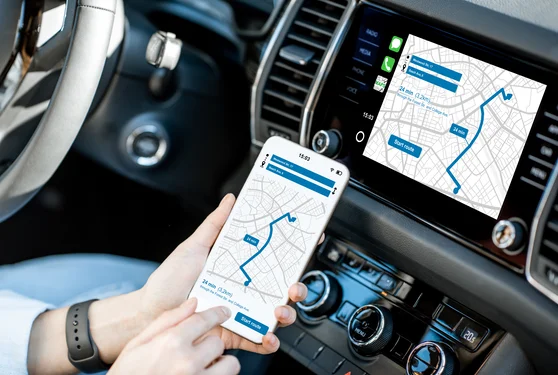
The taxi industry in the USA has seen tremendous transformation over the last decade. With the rise of rideshare platforms like Uber and Lyft, customer expectations have shifted toward instant ride confirmations, accurate ETAs, and seamless service. Traditional manual dispatch systems, which rely heavily on human operators, are often too slow and prone to errors to keep up.
Automation in ride assignments and driver tracking has emerged as a game-changer. It enables taxi businesses to streamline operations, reduce human error, and deliver faster and more reliable services. Beyond efficiency, automation also allows companies to scale operations, handle peak demand periods, and maintain high levels of customer satisfaction—all of which are critical to staying competitive in the modern taxi landscape.
Why Automation is Crucial for Taxi Businesses
Manual dispatch systems are no longer sufficient for the demands of today’s taxi industry. Automation provides businesses with several critical advantages:
- Faster response times: Customers can request rides and receive confirmations within seconds.
- Better driver utilization: Automated systems assign rides intelligently, reducing idle time and increasing the number of trips per day.
- Reduced errors: Human mistakes in assigning rides, calculating ETAs, or selecting optimal routes are eliminated.
- Data insights: Automated systems collect valuable operational data, allowing managers to analyze performance and make informed decisions.
For taxi businesses in metropolitan areas like New York, Chicago, or Los Angeles, where traffic patterns fluctuate and demand spikes unpredictably, automation is essential for maintaining a competitive edge.
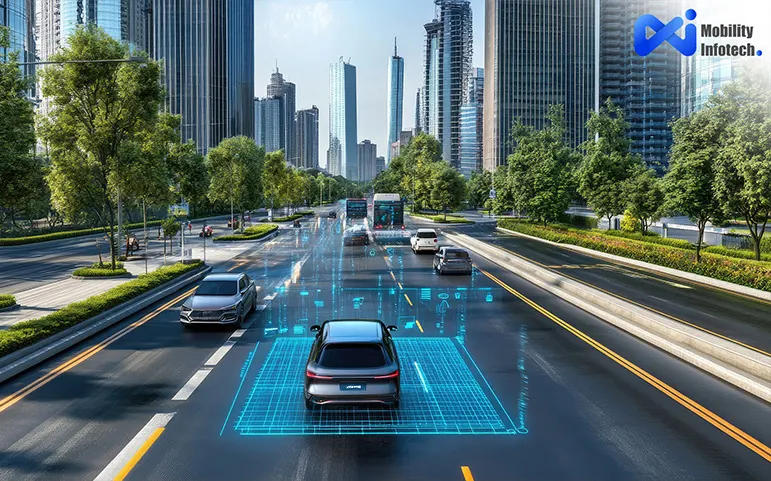
Common Challenges in Manual Ride Dispatch
Traditional dispatch methods face multiple challenges that can directly impact profitability and customer satisfaction:
- Delayed pickups: Human operators can only process a limited number of ride requests at a time, leading to longer wait times.
- Inefficient driver allocation: Without real-time data, assigning drivers to passengers may result in long detours or missed opportunities.
- Limited tracking: Operators have minimal visibility into drivers’ locations, making it difficult to manage emergencies or reroute drivers dynamically.
- Inconsistent service quality: Manual systems rely on operator judgment, which can vary and cause inconsistencies in service.
These challenges highlight the need for smart, automated solutions that can scale with growing demand.

How Ride Assignment Automation Works
Automated ride assignment uses sophisticated algorithms and data analytics to match passengers with drivers in real-time. Here’s how it typically works:
- Location-based matching: The system identifies the nearest available driver to the passenger.
- Dynamic allocation: Factors like traffic, driver availability, route efficiency, and ride preferences are considered.
- Continuous updates: If a driver becomes unavailable, the system instantly reassigns the ride to another nearby driver.
This not only improves pickup times but also ensures that drivers spend less time waiting for passengers, increasing revenue per trip. In large cities like San Francisco or Miami, where traffic conditions and ride demand can change every few minutes, such dynamic allocation is critical for operational efficiency.
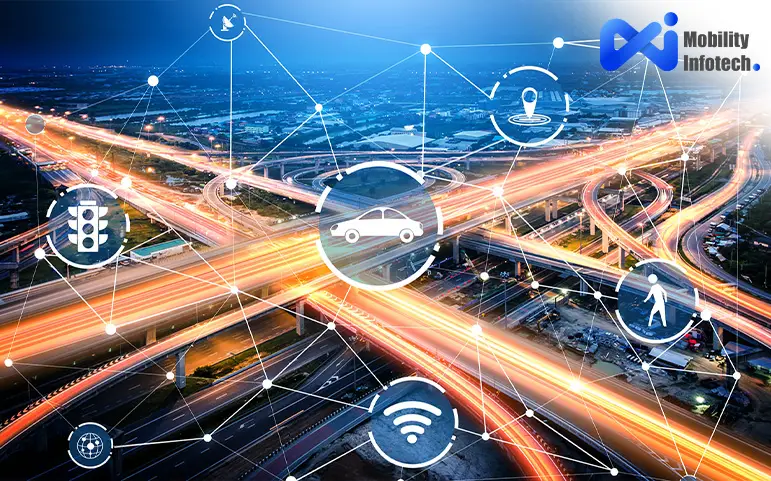
Real-Time Driver Tracking: Benefits and Importance
Real-time tracking allows taxi operators to monitor driver locations at all times. The benefits are far-reaching when using software for taxi business, including improved route efficiency, faster pickups, enhanced customer satisfaction, and seamless fleet management that keeps operations running smoothly.
- Accurate ETAs for customers: Passengers receive live updates, reducing uncertainty and enhancing trust.
- Emergency response: Operators can quickly intervene in case of accidents or breakdowns.
- Optimized routes: Tracking helps identify traffic congestion and suggest alternate routes, saving time and fuel.
- Performance insights: Data on driver activity, idle time, and completed trips allows managers to reward efficiency and identify training needs.
Modern GPS-enabled mobile applications ensure that this data is accessible in real-time, creating a transparent and efficient communication channel between dispatch, drivers, and passengers.
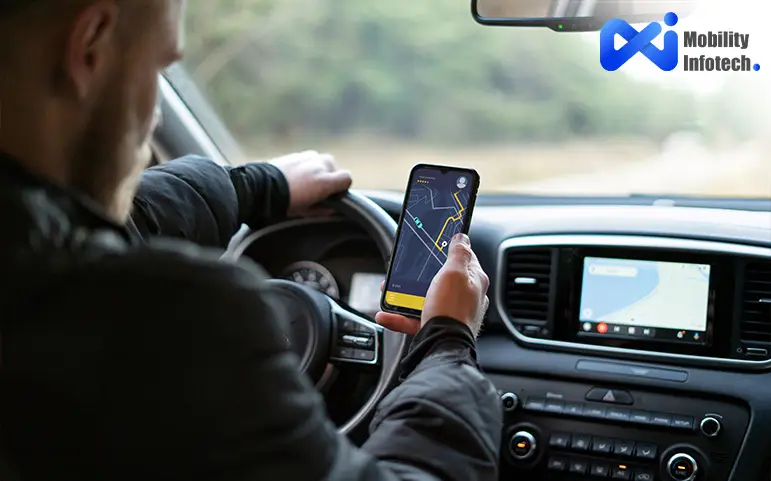
Key Technologies Behind Automation
Automation in taxi businesses relies on a combination of advanced technologies working together. GPS and location services provide accurate, real-time positioning of both drivers and passengers. AI and machine learning algorithms help optimize ride allocation by analyzing factors like traffic conditions, distance, and driver availability. Mobile applications serve as the interface connecting drivers, passengers, and dispatchers, allowing smooth communication and updates. Cloud computing ensures that large volumes of ride and driver data are stored securely and can be analyzed for operational insights. Additionally, IoT devices in vehicles monitor important parameters like vehicle health, fuel levels, and driver behavior, helping to maintain safety and efficiency. Together, these technologies create an integrated, smart system that enables taxi businesses to operate at peak performance.

Advantages of Automating Taxi Operations
Automation offers tangible benefits for both operators and passengers:
- Reduced wait times: Instant ride matching ensures passengers spend less time waiting.
- Improved driver utilization: Drivers complete more trips per shift, increasing earnings.
- Cost savings: Optimized routing saves fuel and reduces wear-and-tear on vehicles.
- Enhanced customer experience: Accurate ETAs, real-time tracking, and smooth rides increase satisfaction and loyalty.
- Data-driven decision-making: Operators can use insights to adjust pricing, allocate resources, and plan growth strategies.
In the competitive US taxi market, these advantages translate directly into higher revenue, stronger brand reputation, and sustainable growth.

Overcoming Implementation Challenges
Implementing automation is not without hurdles:
- Initial investment: Deploying advanced software, mobile apps, and GPS systems requires capital.
- Driver adaptation: Some drivers may resist using technology initially, necessitating training programs.
- Data security: Collecting passenger and driver data requires strong encryption and privacy policies to comply with US regulations.
Successful implementation strategies include rolling out systems in phases, offering incentives and training for drivers, and partnering with trusted technology providers experienced in taxi automation. Addressing these challenges ensures a smooth transition to a fully automated system.

Conclusion
Automating ride assignments and driver tracking is no longer optional for taxi businesses in the USA—it’s essential. Leveraging GPS, AI, mobile apps, cloud computing, and IoT, taxi companies can reduce wait times, optimize driver efficiency, enhance customer experience, and gain a competitive edge.
For operators aiming to scale their business, reduce costs, and meet modern customer expectations, investing in automation is the most strategic step forward. The future of taxi services is automated, data-driven, and customer-centric—and businesses that embrace this transformation will lead the way.
Summary:
The taxi industry in the USA is evolving rapidly, with customers expecting faster, safer, and more reliable rides. Mobility Infotech helps taxi businesses stay ahead by providing advanced automation solutions for ride assignments and real-time driver tracking. Using AI, GPS, mobile apps, and IoT, Mobility Infotech enables operators to optimize routes, reduce wait times, improve driver utilization, and enhance customer satisfaction. With its scalable and secure solutions, Mobility Infotech empowers taxi companies to streamline operations, make data-driven decisions, and grow in a competitive market.
Join 6,000+ marketers and subscribe to our weekly newsletter for exclusive social media news, tips and insights you need to boost results.

Cody Elliott
Cody Elliott is a web developer crafting clean, responsive, and user-friendly websites that blend modern design with seamless functionality.