The rideshare industry, once revolutionized by giants like Uber, is ripe for innovation. While Uber continues to dominate, the evolving landscape of urban mobility, coupled with increasing user demands for specialized services and ethical considerations, has opened the door for exciting new ventures. For entrepreneurs and businesses looking to enter or expand within this dynamic sector, simply replicating Uber's model is no longer enough. The key lies in identifying unmet needs, leveraging emerging technologies, and offering unique value propositions.
This blog explores compelling alternatives to conventional rideshare app development, highlighting opportunities for differentiation and success in a competitive market.
The Evolution of Ridesharing: Why Diversify Beyond Traditional Models?
The initial success of Uber and similar platforms was built on convenience and accessibility. However, as the market matures, users and drivers alike are seeking more. Concerns regarding driver welfare, surge pricing, data privacy, and environmental impact have become prominent. This shift in perception creates a fertile ground for alternatives that address these pain points. Diversifying beyond the traditional point-to-point passenger model allows businesses to carve out a unique identity, attract specific user segments, and build a more sustainable business in the long run. The "one-size-fits-all" approach is giving way to specialized solutions that cater to diverse needs and preferences.
Niche Market Domination: Tapping into Specialized Transportation Needs
One of the most promising avenues for rideshare app development lies in targeting niche markets. Instead of competing directly with Uber for general passenger transport, consider segments with distinct requirements that are currently underserved. This could include:
- Elderly and Assisted Rides: Apps designed with accessibility features, trained drivers for assisting passengers, and perhaps integration with healthcare providers. This market values reliability, empathy, and specific support.
- Child Transportation Services: Secure and vetted drivers, real-time tracking for parents, and perhaps car seats provided. Safety and trust are paramount here.
- Pet-Friendly Rides: Dedicated services for pet owners, with vehicles equipped to safely transport animals of all sizes.
- Luxury and Executive Transport: High-end vehicles, professional chauffeurs, and personalized services for business travelers or special occasions.
- Medical Transport (Non-Emergency): Facilitating rides for patients to and from appointments, potentially integrating with appointment scheduling systems.
By focusing on a specific demographic or need, these apps can offer a superior, tailored experience that general rideshare platforms cannot match.

Sustainable and Eco-Friendly Ridesharing: A Growing Demand
Environmental consciousness is no longer a niche concern; it's a mainstream expectation. Developing rideshare apps centered around sustainability can attract a significant user base committed to reducing their carbon footprint. This could involve:
- Electric Vehicle (EV) Fleets: Apps exclusively using EVs, offering a premium experience while promoting eco-friendly transport. This can be coupled with charging infrastructure partnerships.
- Carpooling and Ride-Sharing Optimization: Advanced algorithms that efficiently match multiple passengers heading in the same direction, reducing the number of vehicles on the road.
- Bicycle and Scooter Sharing Integration: Not strictly ridesharing, but integrating with micro-mobility options to offer first and last-mile solutions, promoting multimodal sustainable transport.
- Carbon Offsetting Programs: Implementing features where users can opt to offset the carbon emissions of their ride, with the app facilitating donations to environmental initiatives.
Highlighting the environmental benefits and making it easy for users to make greener choices can be a powerful differentiator.

Community-Driven and Peer-to-Peer Models: Fostering Trust and Local Connections
Moving away from the traditional corporate model, community-driven and peer-to-peer rideshare apps can cultivate a stronger sense of trust and local connection. These models often emphasize:
- Neighborhood Ridesharing: Connecting neighbors for short trips, school runs, or shared commutes within a defined geographical area. This can build stronger community bonds and reduce reliance on external services.
- Driver-Owned Cooperatives: Apps where drivers are also stakeholders, giving them a voice in pricing, policies, and working conditions. This addresses driver welfare concerns and can lead to more satisfied drivers and better service.
- Rating and Vetting Systems with a Personal Touch: Beyond star ratings, incorporating more detailed driver and passenger profiles, endorsements from mutual connections, or even in-person verification processes to enhance trust.
- Volunteer-Based or Non-Profit Ridesharing: For specific community needs, such as transporting elderly residents to appointments or providing rides to events for underserved populations.
These models often prioritize community benefit over pure profit, resonating with users who seek more ethical and locally-focused services.

Integrating Advanced Technologies: AI, IoT, and Autonomous Vehicles
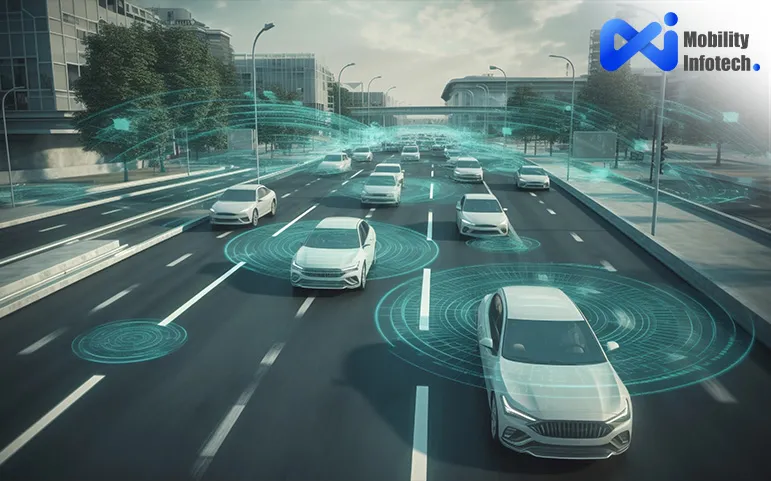
The future of transportation is deeply intertwined with technological advancements. Integrating cutting-edge technologies can give new rideshare apps a significant competitive edge:
- Artificial Intelligence (AI) for Dynamic Pricing and Route Optimization: More sophisticated AI algorithms can predict demand, optimize routes in real-time to avoid congestion, and implement fair, transparent dynamic pricing that benefits both drivers and passengers.
- Internet of Things (IoT) for Enhanced Safety and Vehicle Monitoring: IoT sensors in vehicles can monitor driver behavior, vehicle maintenance needs, and even detect accidents, enhancing safety for all parties.
- Autonomous Vehicle Integration (Long-Term): While still in development, designing apps with future integration of autonomous vehicles in mind can position a company as a forward-thinking leader. This might involve setting up infrastructure for managing self-driving fleets.
- Personalized User Experiences with AI: AI can learn user preferences for routes, music, temperature, or even preferred driver types, offering a highly personalized and premium service.
Embracing these technologies allows for greater efficiency, safety, and a superior user experience that distinguishes an app from the competition.
Subscription-Based and Membership Models: Redefining User Loyalty
The traditional pay-per-ride model can sometimes lead to fluctuating costs and less predictability for frequent users. Subscription-based or membership models offer an alternative that fosters loyalty and provides a more consistent revenue stream:
- Tiered Membership Plans: Offering different levels of membership with varying benefits, such as discounted rides, priority booking, access to premium vehicles, or even a certain number of free rides per month.
- Unlimited Ride Passes (Geofenced): For specific urban areas or commuter routes, offering an unlimited ride pass for a fixed monthly fee, appealing to daily commuters.
- Corporate Membership Programs: Partnering with businesses to provide employees with discounted or subsidized rides, integrating with corporate expense management systems.
- Bundled Services: Offering memberships that combine ridesharing with other mobility services, such as public transport passes, bike-sharing, or even last-mile delivery.
These models create a predictable revenue stream and incentivize user loyalty by offering clear value and convenience for frequent users.
Logistics and Delivery Integration: Expanding Beyond Passenger Transport
The infrastructure developed for ridesharing – driver networks, navigation, payment systems – can be seamlessly extended to logistics and delivery services. This allows for diversification and maximizes asset utilization:
- On-Demand Courier Services: Leveraging the existing driver network for urgent parcel or document delivery within a city.
- Food and Grocery Delivery: Expanding into the food and grocery delivery market, competing with established players by offering unique delivery options or specialized restaurant partnerships.
- B2B Logistics: Offering last-mile delivery solutions for small to medium-sized businesses, potentially specializing in certain types of goods or delivery windows.
- "Anything-Goes" Personal Shopper/Delivery: Allowing users to request drivers to pick up items from stores, run errands, or deliver personal goods, essentially becoming a personal assistant on wheels.
By integrating these services, a rideshare app can tap into multiple revenue streams, making the business more resilient and attractive to a broader user base.
Conclusion
The rideshare market is far from saturated; it's evolving. The key to successful rideshare app development in today's landscape is not to mimic Uber but to innovate beyond its established model. By identifying niche markets, prioritizing sustainability, building community, leveraging advanced technology, exploring new business models, or expanding into logistics, businesses can create compelling alternatives that resonate with modern users and drivers. The future of mobility belongs to those who dare to think differently and offer specialized, value-driven solutions. The opportunities for disruption and growth are immense for those willing to venture beyond the traditional.
Summary
The rideshare industry presents significant opportunities beyond conventional models. Successful app development now hinges on innovation, addressing unmet needs, and offering unique value propositions. Alternatives include targeting niche markets like elderly or pet transport, embracing sustainable practices with EV fleets, fostering community through peer-to-peer models, and integrating advanced technologies such as AI and IoT.
Subscription-based models can boost loyalty, while expanding into logistics and delivery services offers diverse revenue streams. The future belongs to apps that differentiate through specialized, value-driven solutions, moving beyond simply replicating existing platforms.
Join 6,000+ marketers and subscribe to our weekly newsletter for exclusive social media news, tips and insights you need to boost results.

Rachael Huber
I’m a web developer who doesn’t just write code—I live it. Web development isn’t just my profession; it’s my passion, my hobby, and my constant curiosity.