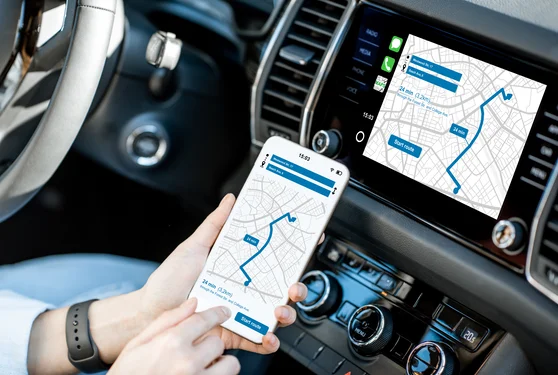
The ride-hailing industry has fundamentally changed how people get from point A to point B. With giants like Uber and Lyft dominating the landscape, you might think the market is saturated. However, the demand for convenient, on-demand transportation continues to grow, leaving plenty of room for new players. For an aspiring entrepreneur or an existing taxi company, the key to success lies in building a robust, user-friendly, and reliable taxi booking app.
But where do you even begin? The most critical decision you'll face is choosing the right app development platform. This choice will not only dictate your development time and cost but will also influence your app's performance, scalability, and long-term viability. This guide will walk you through the top platforms for taxi booking app development, helping you make an informed decision that aligns with your business goals and budget.
Understanding the Core Requirements of a Taxi App
Before we explore the technical platforms, let's break down what a successful taxi app truly needs. It's not just a single app; it's a complex ecosystem. At a minimum, you'll need:
- Rider App: This is the user-facing application for booking rides, tracking drivers, and making payments.
- Driver App: A separate app for drivers to accept rides, navigate, and manage their earnings.
- Admin Panel: A web-based dashboard for you to manage the entire operation, from drivers and riders to payments and analytics.
The platform you choose must be able to handle essential features like real-time GPS tracking, secure payment gateways, and a robust notification system. Any delay in these functions can severely impact the user experience, so performance and reliability are paramount.

Native App Development: The Gold Standard
Native development is the traditional approach where you build separate, distinct applications for each mobile operating system. This means you’d have one app built for iOS and a completely different one for Android.
- For iOS, the primary language is Swift, and the development environment is Xcode.
- For Android, the preferred language is Kotlin, and the go-to environment is Android Studio.
Pros of Native Development
The primary advantage of native development is its superior performance and deep integration with the device's hardware. Native apps are compiled directly into the device's machine code, leading to smoother animations, faster load times, and a more responsive user interface. This is crucial for a taxi app, which relies on seamless, real-time data flow for features like GPS tracking and ride-hailing requests. Native development also provides full, unhindered access to all platform-specific features, like Apple Pay or specific biometric security features.
Cons of Native Development
The main drawbacks are the higher cost and longer time-to-market. You essentially have to build two separate apps with two different codebases. This requires hiring two distinct teams of developers (one for iOS and one for Android), which doubles your resources and effort. Any updates or bug fixes will also need to be implemented twice. This can be a significant hurdle for startups or businesses with a limited budget.

The Power of Cross-Platform Frameworks
Cross-platform development has emerged as a powerful alternative. This approach uses a single codebase to build an app that can run on both iOS and Android. The app's logic is written once, and the framework handles the nuances of deploying it to different operating systems.
Pros of Cross-Platform Development
The biggest draw of cross-platform development is its cost-effectiveness and rapid development cycle. By maintaining a single codebase, you can cut down on development time and reduce costs by up to 30-40%. This allows you to launch your app and get to market much faster, which is a major competitive advantage. Cross-platform frameworks also simplify maintenance and updates, as changes only need to be made once.
Cons of Cross-Platform Development
While modern cross-platform frameworks have made huge strides, they can still have some limitations. They may not offer the same level of raw performance as native apps, especially for highly complex, resource-intensive features. In some cases, access to cutting-edge native features might require custom workarounds or third-party plugins. However, for a standard taxi booking app, the performance difference is often negligible and well worth the trade-offs in cost and time.

Top Platforms for Cross-Platform Taxi App Development: Flutter vs. React Native
When it comes to cross-platform development, two frameworks stand out from the rest: Flutter and React Native.
- React Native, backed by Facebook, uses JavaScript, a language familiar to millions of web developers. This makes it an attractive choice for teams with existing web development expertise. React Native renders native UI components, which gives the app a familiar feel. Its vast and mature ecosystem of libraries and community support is a major advantage.
- Flutter, developed by Google, uses the Dart programming language. Flutter’s key selling point is its "everything is a widget" philosophy, which allows for highly customizable and visually stunning user interfaces. It compiles to native code, often providing superior performance and smoother animations compared to its competitor. Its hot-reload feature also significantly speeds up the development process.
For a taxi app, both are excellent choices. React Native might be a better fit if your team is already proficient in JavaScript and you want to leverage that skill set. Flutter is a strong contender if you're building a new team or want a highly performant and visually unique app from scratch.

Choosing the Right Platform for Your Business
The best platform isn't the one that's "the best" overall; it's the one that's best for you. Ask yourself these critical questions:
- What's your budget? If you have a limited budget and need to launch quickly, cross-platform development with Flutter or React Native is the most sensible choice.
- What's your timeline? If you need a Minimum Viable Product (MVP) to test your idea in the market, a cross-platform approach will get you there much faster.
- What are your key features? If you plan to rely heavily on a complex, data-intensive feature that requires maximum performance (e.g., highly advanced real-time routing algorithms), a native app might be worth the extra investment.
- What are your long-term goals? If you're planning for a multi-billion dollar enterprise with a massive user base, a native approach can provide the long-term scalability and performance you'll need. However, starting with a cross-platform MVP and scaling to native later is a common and effective strategy.

Key Features to Integrate into Your Taxi App
Once you've chosen your platform, you need to focus on features. An app is only as good as the problems it solves for its users. Your taxi app should include:
- User Registration and Profile Management: Easy sign-up with social media or phone number.
- Real-time GPS Tracking: A must-have for both riders and drivers to locate each other.
- Multiple Payment Options: Integrate various payment gateways (e.g., credit/debit cards, digital wallets, cash).
- In-App Chat or Calling: Secure communication between the rider and driver.
- Ride History and Ratings: Allows users to review past rides and rate drivers, building a sense of trust and quality.
- Estimated Fare Calculation: Provide a clear fare estimate before a ride is booked.
For more advanced features, consider things like scheduled bookings, promo codes, multiple vehicle types (e.g., economy, premium, SUV), and an SOS/safety button.

Cost Considerations and Development Timelines
The cost of developing a taxi app can vary wildly. It's a key factor influenced by the platform you choose, the number of features, and your development partner's location.
- Native App: Developing a basic native app can cost anywhere from $25,000 to $60,000 per platform (iOS and Android). A full-featured app with advanced functionalities can easily exceed $100,000. The timeline for a native app can range from 6 to 12 months or more.
- Cross-Platform App: A basic cross-platform MVP can be built for as little as $20,000 to $50,000. A more complex, feature-rich app could cost upwards of $70,000. The development timeline is often significantly shorter, from 4 to 8 months.
The geographical location of your development team is a huge cost factor. For instance, hiring developers in North America or Western Europe can be significantly more expensive than in regions like India, where high-quality services are available at more competitive rates.

Conclusion
Choosing the right platform for taxi booking app development is a strategic decision that will define your project's success. While native development offers the pinnacle of performance and user experience, cross-platform frameworks like Flutter and React Native provide a powerful, cost-effective, and rapid path to market. The best choice ultimately depends on a careful evaluation of your budget, timeline, and feature requirements.
No matter the platform, the key is to partner with a development team that understands the complexities of the ride-hailing industry and can build a scalable, secure, and intuitive app that stands out from the competition.
At Mobility Infotech, we specialize in building custom, high-performance taxi booking apps that are designed to scale. Whether you’ve chosen native or cross-platform development, our team of expert developers will guide you through every step of the process, ensuring your app is not just built, but built for success.
Summary
The taxi booking app market is thriving, and selecting the correct development platform is crucial for success. Native development with Swift and Kotlin offers superior performance and device integration but comes with higher costs and longer development times. Cross-platform frameworks like Flutter and React Native provide a more efficient and affordable alternative, allowing for a single codebase to be used for both iOS and Android apps. This approach is ideal for startups and businesses looking to launch a robust MVP quickly. Factors like budget, required features, and desired time-to-market should guide your choice. Ultimately, success hinges on building a feature-rich app with a seamless user experience, a goal achievable with either native or cross-platform technology.
Join 6,000+ marketers and subscribe to our weekly newsletter for exclusive social media news, tips and insights you need to boost results.

Rachael Huber
I’m a web developer who doesn’t just write code—I live it. Web development isn’t just my profession; it’s my passion, my hobby, and my constant curiosity.