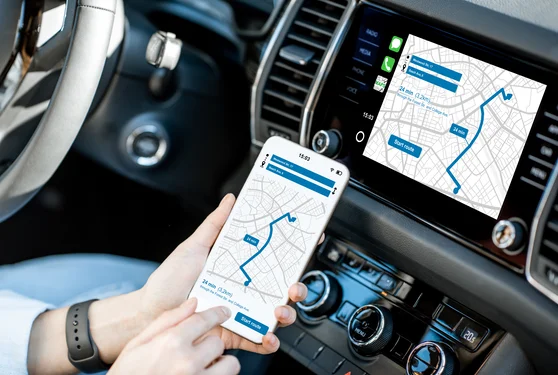
In the age of digital transformation, urban mobility has undergone a massive evolution. The rise of on-demand ride-hailing platforms like Uber, Ola, and Lyft has redefined how people commute. These platforms leverage cutting-edge technology, real-time analytics, and intelligent dispatch systems to create an ecosystem that’s fast, transparent, and efficient.
For transportation businesses or entrepreneurs looking to replicate this success, investing in a customizable taxi dispatch software solution is the most strategic move. A tailor-made system provides the flexibility to integrate features such as real-time ride tracking, automated dispatching, seamless payment options, and advanced driver management—all under your brand’s control.
At Mobility Infotech, we specialize in building scalable and intelligent mobility solutions that empower companies to operate like Uber while maintaining complete ownership of their technology. This blog explores how you can get a customizable taxi dispatch software system for your company and what makes such a solution indispensable in the modern transportation landscape.
Understanding Taxi Dispatch Software
A taxi dispatch software is essentially a centralized digital platform that automates and streamlines the entire ride-booking process. It connects passengers, drivers, and administrators through synchronized mobile applications and a powerful backend system.
In simple terms, the software manages every stage of a ride—from booking requests and driver allocation to navigation, payment, and feedback collection. However, the efficiency of such software lies in its architecture. It utilizes GPS-based tracking, cloud-based hosting, and API integrations to provide real-time coordination between users and drivers.
The three main components of a taxi dispatch system include the Passenger App, the Driver App, and the Admin Dashboard. The passenger app enables users to register, locate nearby drivers, book rides, make payments, and rate their experience. The driver app helps drivers accept or reject ride requests, navigate to destinations, and track earnings. The admin dashboard provides a complete view of system operations, including driver performance, customer activity, revenue analytics, and system alerts.

Core Functional Modules of an Uber-Like System
To replicate Uber’s efficiency, your taxi dispatch software must be designed with multiple interlinked modules that work in real time.
The Passenger Module allows users to book rides seamlessly, estimate fares before booking, choose between different vehicle categories, and view driver details instantly. It also includes features like live tracking, trip history, and multiple payment modes for convenience.
The Driver Module is the operational backbone. It includes features for accepting ride requests, navigation via Google Maps or Mapbox APIs, real-time route updates, and in-app notifications. Drivers can toggle their availability status, view earnings reports, and track performance analytics.
The Admin Dashboard or Control Panel acts as the system’s brain. It provides administrators with the ability to manage users, adjust pricing models, monitor trips, handle disputes, and oversee fleet utilization. Through a well-structured dashboard, businesses can monitor operations from a single screen.
Additionally, a Dispatcher Console enables manual intervention for assigning rides or managing special requests. The Analytics and Reporting Module delivers business intelligence through data visualization—highlighting performance trends, peak hours, and operational costs.

Key Features Every Taxi Dispatch Solution Must Have
The success of an Uber-like platform depends heavily on its features. While the user interface should be intuitive, the backend must be technologically robust to handle thousands of concurrent users.
The most critical feature is real-time GPS tracking, which allows passengers and admins to monitor the exact location of drivers. This feature relies on precise geolocation APIs and telemetry data to deliver accurate positioning.
Next comes the smart dispatch algorithm, which automates the process of assigning the nearest available driver. By calculating factors such as proximity, traffic conditions, and driver availability, this algorithm ensures faster pickups and optimized fleet utilization.
A reliable taxi dispatch solution must also include multiple payment gateways to cater to diverse customer preferences. Integration with secure payment APIs like Razorpay, Stripe, Paytm, and Apple Pay provides flexibility and trust.
Dynamic pricing is another crucial element. It automatically adjusts fares based on real-time demand, distance, and weather conditions, ensuring profitability during peak hours.
Modern apps should also feature in-app chat and VoIP calling for communication between drivers and passengers without exposing personal numbers. A rating and feedback system ensures service quality and accountability. Finally, SOS and emergency alerts integrated with real-time GPS coordinates are essential for passenger safety.

Benefits of Customizable Taxi Dispatch Software
Opting for a customizable dispatch solution over an off-the-shelf one brings several strategic advantages.
Firstly, it gives you complete branding control. From the logo and color scheme to the overall app layout, everything can be personalized to reflect your company’s identity.
Secondly, a custom-built platform provides scalability. Whether you’re starting with a small regional fleet or planning nationwide expansion, a scalable cloud infrastructure ensures your system grows as your business does.
Thirdly, operational transparency is enhanced through live dashboards that give a real-time view of every ongoing ride, payment, and customer interaction.
Security is another major benefit. With a proprietary system, you have full ownership of your data—including customer profiles, transaction logs, and trip histories. You can implement end-to-end encryption (SSL/TLS), secure APIs, and role-based authentication to safeguard your ecosystem.
Customizable systems also provide cost efficiency over time. Automated dispatching and AI-driven route optimization minimize idle fleet hours and reduce administrative workload. Furthermore, integrated analytics dashboards provide actionable insights to improve driver performance and optimize pricing models.

How to Develop a Custom Uber-Like Platform
Developing an Uber-like taxi dispatch solution requires a methodical approach.
The first step is defining your business model. You need to determine whether your system will operate as a peer-to-peer marketplace (similar to Uber), a corporate transport system, or a dedicated fleet management model.
Next comes requirement gathering and analysis, where developers identify target locations, compliance regulations, payment preferences, and system capabilities.
Once the blueprint is ready, the UI/UX design phase begins. A successful ride-hailing app demands a minimalist design that offers simplicity and clarity to both passengers and drivers.
In the backend development stage, frameworks such as Node.js, Django, or Laravel are commonly used to build scalable server-side logic. These frameworks support microservices architecture, enabling modular development and easy future upgrades.
API integration is a crucial step. APIs connect the system with third-party services like GPS tracking (Google Maps API), payment processing (Razorpay, Stripe, PayPal), push notifications (Firebase), and communication services (Twilio, SendGrid).
The mobile application development phase involves creating separate apps for drivers and passengers. Technologies like Flutter or React Native are often used for cross-platform compatibility, allowing smooth performance on both Android and iOS devices.
Finally, after rigorous testing for performance, security, and usability, the solution is deployed on a cloud infrastructure like AWS or Google Cloud. Continuous support, updates, and performance optimization follow post-launch.

Technologies Powering Modern Taxi Dispatch Solutions
Behind every successful taxi app lies a sophisticated blend of technologies that ensure reliability, speed, and scalability. The frontend applications are built using frameworks like React Native, Flutter, or Swift for iOS, offering responsive designs and fast performance.
The backend architecture relies on Node.js, Laravel, or Django, which provide real-time data synchronization and robust API management. Databases such as MongoDB, PostgreSQL, or Firebase store and retrieve massive amounts of trip data efficiently.
For real-time location tracking, geospatial APIs like Google Maps or Mapbox are integrated, enabling accurate navigation and ETAs. Cloud platforms like AWS, Azure, and Google Cloud ensure uptime, elasticity, and load balancing for millions of users.
To ensure seamless communication, developers integrate push notification services through Firebase Cloud Messaging and in-app chat systems using Socket.IO or WebRTC. Payment gateways are linked through secure APIs that comply with PCI DSS standards, ensuring safe transactions.
Finally, data analytics tools and dashboards powered by AI and machine learning deliver insights into rider behavior, fleet performance, and operational efficiency.

Why Choose Mobility Infotech for Your Taxi Dispatch System
When it comes to building enterprise-grade mobility solutions, Mobility Infotech stands out as a trusted technology partner. Our approach is rooted in innovation, scalability, and user-centric design.
We develop custom, white-label taxi dispatch systems that give businesses the flexibility to brand, operate, and grow on their terms. Our cloud-native frameworks are built to handle high traffic volumes while maintaining superior performance.
With deep expertise in AI-based dispatch algorithms, multi-payment integration, and real-time analytics, we ensure that every component of your ride-hailing ecosystem functions flawlessly. Our development process covers everything—from conceptualization and design to testing, deployment, and post-launch maintenance.
Mobility Infotech’s team focuses on data security, ensuring all transactions are encrypted and compliant with international standards. Whether you need an Uber clone script for a quick launch or a fully customized solution, we provide end-to-end mobility infrastructure that gives you a competitive edge in the ride-hailing industry.

Conclusion
In an era driven by convenience and technology, a customizable taxi dispatch software is more than just a business tool; it's a foundation for building sustainable mobility networks. It automates operations, enhances user experiences, and provides complete control over your fleet and finances.
For companies aiming to launch their own Uber-like service, partnering with a trusted technology provider like Mobility Infotech ensures that every technical and operational element aligns with your goals. With advanced features, secure infrastructure, and future-ready scalability, we transform your vision into a market-ready reality.
Summary
To sum it up, developing a customizable taxi dispatch software involves combining innovation, precision, and scalability. The system integrates passenger apps, driver apps, and admin dashboards for complete automation. Essential features like real-time GPS tracking, automated dispatch, multi-payment options, and dynamic pricing ensure a seamless user experience.
Building such a platform demands strong technical architecture, robust backend frameworks, and secure cloud hosting. By choosing Mobility Infotech, you not only get a software solution—you get a smart mobility ecosystem designed to elevate your brand, streamline operations, and deliver a superior ride experience to users worldwide.
Join 6,000+ marketers and subscribe to our weekly newsletter for exclusive social media news, tips and insights you need to boost results.

Dustin Pratt
Dustin Pratt is a software developer passionate about building scalable solutions, writing clean code, and creating apps that make life easier.