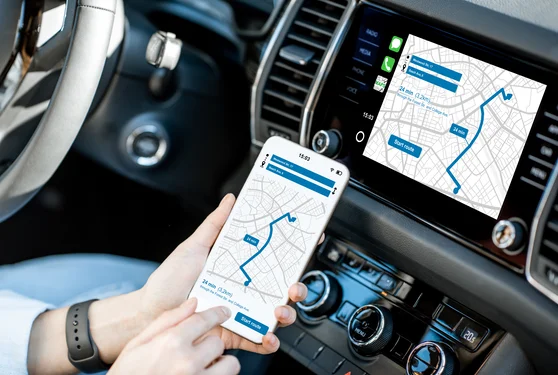

In today’s fast-paced corporate world, managing employee commutes efficiently is no longer optional — it’s a strategic necessity. This blog explores how data-driven, HR-integrated carpool apps can transform employee transportation, delivering benefits such as cost savings, operational efficiency, employee satisfaction, and sustainability. By leveraging real-time data, route optimization, and seamless integration with HR systems, companies can reduce transport spend, lower carbon emissions, and boost productivity — ultimately making commutes a value-add rather than a burden.
Introduction
Commuting to work each day presents multiple challenges — rising fuel costs, traffic congestion, employee time lost in transit, and environmental impact. Many organisations still rely on traditional shuttle or cab services that are expensive, inflexible, and difficult to manage. As businesses grow, coordinating transport becomes a burden on HR and administration teams.
Enter HR-integrated carpool apps — a modern solution that uses technology and data to connect employees with similar routes, optimise travel, and integrate with existing human-resources infrastructure. For companies looking to streamline employee transportation, reduce costs, and support sustainability, these smart mobility solutions are quickly becoming indispensable.
The Rise of Corporate Carpool Apps
Over the past decade, corporate carpooling and ride-sharing have gained momentum across industries. In India, major companies, including technology firms and large employers, are actively encouraging employees to carpool or use rideshare apps to reduce congestion and cut commuting costs.
Reports suggest that platforms focusing on corporate commutes are signing up new companies at a rapid pace — reflecting growing acceptance of pooled commuting as a mainstream solution.
Meanwhile, the global “Carpool-as-a-Service” (CaaS) market is projected to grow significantly: from USD 5.43 billion in 2024 to nearly USD 23.9 billion by 2033. This growth signals a broader shift: companies worldwide are embracing shared commute solutions as part of their mobility and sustainability strategies.

Key Advantages of HR-Integrated Carpool Solutions
Cost Savings & Operational Efficiency
- Reduced transportation spend: Carpooling enables companies to cut expenses on fuel reimbursements, vendor-managed cab fleets, parking infrastructure, and vehicle maintenance. According to industry analyses, switching to carpool software can deliver up to 30% savings on overall transportation costs over a year.
- Streamlined commute management: Rather than HR manually coordinating individual commutes, carpool apps handle matching, ride scheduling, route planning, and ride-sharing logistics automatically — freeing up administrative resources.
Enhanced Employee Convenience & Satisfaction
- Reduced commute stress: Sharing rides can cut down on time spent driving, dealing with traffic, or hunting for parking. Employees enjoy more relaxed, predictable commutes.
- Improved punctuality and reliability: With route optimisation and real-time scheduling, employees are more likely to arrive on time — promoting punctual work culture and reducing delays.
- Better work-life balance: Less time commuting means more time for personal life, rest, or productivity — which contributes to mindset, morale, and employee retention.
Sustainability, ESG & Environmental Impact
- Lower carbon footprint: Carpooling reduces the number of vehicles on the road. Shared rides translate to fewer emissions per capita; in many cases, emissions per passenger are cut by more than half compared with solo commuting.
- Support for corporate ESG goals: With growing pressure on companies to meet environmental, social, and governance (ESG) targets, carpool integration offers a quantifiable, measurable way to demonstrate corporate responsibility.
- Reduced demand for parking infrastructure: Fewer cars mean less need for parking spaces — freeing up real estate for green zones or alternative uses.
Data-Driven Insights & Analytics
One of the strongest advantages of a data-driven, HR-integrated carpool system is the ability to collect actionable insights:
- Dashboards that track ride usage, employee participation, fuel saved, kilometres covered, CO₂ emissions avoided, and parking-space reductions.
- Analytics help HR and operations teams understand commute patterns, peak demand times, under-utilised routes — guiding decisions to scale or refine carpool configurations.
- Better planning enables companies to forecast cost savings, schedule changes, and expansion — making transportation part of a long-term mobility strategy.
Safety, Compliance & Real-Time Tracking
- Real-time tracking and monitoring: Employees and administrators get live updates on ride status, route progress, and driver information — enhancing safety and accountability.
- Compliance and verification: Verified corporate user credentials, background checks, and secure ride sign-ins ensure only authorized employees use the service. This is especially relevant for security-sensitive industries or large campuses.
- Support for shift-based and flexible hours: For organisations with multiple shifts or hybrid working schedules, carpool apps offer adaptable scheduling — ensuring coverage even outside traditional office hours.
Scalability & Flexibility for Diverse Workforces
- Whether a company has several hundred employees or tens of thousands, HR-integrated carpool systems can scale — matching employees across departments, locations, or even across organisations in a business park.
- Integration with existing HRMS (Human Resource Management Systems), attendance systems, and employee directories enables seamless adoption without overhauling core infrastructure.
- Flexibility to integrate with multimodal transport options: shared rides, shuttle services, public transport hubs, or last-mile connectivity.

Trends & Statistics Supporting Carpool Adoption
- The global Carpool-as-a-Service (CaaS) market was valued at USD 5.43 billion in 2024 and is expected to reach USD 23.9 billion by 2033, with a strong compound annual growth rate (CAGR).
- According to industry forecasts, participating in carpool systems can reduce commuting costs by up to 30% annually compared to traditional transport arrangements.
- From an environmental perspective, ride-sharing and carpooling can cut CO₂ emissions per passenger by 50% or more compared to single-occupancy commuting.
- Companies that implemented carpool programmes have reported significant increases in participation and reductions in transport-related emissions and costs. For example, large employers encouraging ride-share adoption have observed a 65% drop in carbon emission from employee transport in a year.
These statistics reflect a clear shift: organisations are not just experimenting with carpooling — they are embedding it as a core part of their mobility and ESG strategy.

Implementation Best Practices for HR & Enterprises
To realise the full benefits of an HR-integrated carpool app, companies should adopt a structured approach:
- Start with a pilot — roll out the system to a subset of employees (e.g., one office location or shift), collect data, and measure improvements (cost, commute time, participation).
- Communicate clearly — explain benefits to employees (lower cost, social ride, greener commute), reassure them about safety and privacy, and encourage early adopters.
- Incentivise participation — offer benefits like preferred parking, “eco-points,” ride credits, or recognition to frequent carpoolers. Gamification helps build momentum.
- Integrate with HR systems — sync with employee directories, attendance tools, and access control so that carpool deployment is frictionless.
- Leverage data analytics — monitor usage trends, ride patterns, cost savings, and environmental impact to continuously refine the programme and justify expansion.
- Ensure safety & compliance — implement driver verification, secure ride sign-ins, live tracking, and emergency protocols. Especially important for women employees and shift workers.
- Scale gradually & maintain flexibility — adapt to hybrid work schedules, remote days, staggered shifts, and changing routes. Choose a solution that supports multi-modal integration (shuttles, public transportation, carpool).

Potential Challenges & How to Address Them
While the benefits are significant, companies may face certain obstacles while deploying a carpool programme:
- Initial resistance from employees: Some may hesitate to share rides due to privacy, scheduling, or convenience concerns. Solution: Communicate value, offer incentives, and emphasize safety measures.
- Data privacy concerns: Tracking routes and ride habits can raise compliance issues — especially in regions with strict data regulations. Solution: Ensure encryption, anonymised data, consent protocols, and compliance with local data laws.
- Variable work schedules & remote working days: When employees come and go at different times, matching rides becomes tricky. Solution: Use flexible scheduling, hybrid ride options, and multi-modal integration.
- Coverage gaps: Employees living in remote or less-dense areas may find it hard to find carpool partners. Solution: Offer alternative modes (shuttles, ride-sharing), or mix pooling with other transport arrangements.
Scaling friction: As more employees join, the complexity of route optimization increases. Solution: Rely on advanced algorithm-based route planning and real-time matching to maintain efficiency.

Conclusion & Call to Action
In an era where cost control, employee well-being, and sustainability are critical corporate priorities, data-driven, HR-integrated carpool apps offer a comprehensive solution. From reducing transportation costs and easing parking nightmares to improving employee morale and cutting carbon footprints, carpooling delivers wide-ranging, tangible benefits.
If your organisation is still relying on outdated cab fleets or reimbursing individual transport costs, it’s time to rethink your mobility strategy. Implementing a smart carpool solution can save costs, boost productivity, and deliver on corporate ESG goals — all while making commuting less of a burden and more of a benefit.
Ready to transform your employee transportation system? Contact Mobility Infotech today for a demo and discover how our carpool software can align with your HR systems, scale with your workforce, and deliver measurable savings and sustainability.
Summary
This blog post explores how HR-integrated carpool applications are revolutionizing employee transportation management. We delve into the concept of data-driven commuting and the substantial advantages it offers, from direct cost savings (fuel, parking, fleet management) to critical indirect benefits like boosted employee satisfaction, improved punctuality, and measurable progress toward corporate sustainability goals. By seamlessly connecting employee rostering, location data, and shift schedules with a smart carpooling platform, organizations can move from logistical chaos to strategic, data-backed operational efficiency. We highlight the key features that drive this transformation, including real-time tracking, safety protocols, and advanced analytics, concluding with a set of FAQs.
Join 6,000+ marketers and subscribe to our weekly newsletter for exclusive social media news, tips and insights you need to boost results.