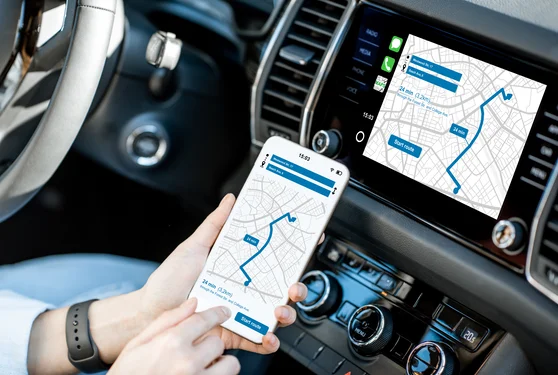

Taxi dispatch software has evolved from being a mere routing tool into an intelligent, AI-powered ecosystem that keeps cities moving efficiently. In 2025, operators demand platforms that can handle massive fleets, process real-time data, enable lightning-fast bookings, and scale to accommodate future mobility shifts like EVs, autonomous vehicles, and smart cities.
Whether you're managing 20 cabs in a metro or 2,000 across multiple cities, your dispatch platform is your backbone. And with digital transformation accelerating, choosing the right taxi dispatch software is no longer optional—it's mission-critical. This blog explores the best systems available in 2025, focusing on what makes them stand out, how they’re built, and why Mobility Infotech is a leader in the space.
What Makes Taxi Dispatch Software Stand Out in 2025
In 2025, the industry standard for taxi dispatch software has drastically shifted. Operators no longer settle for basic tracking and ride allocation. Instead, platforms are expected to be:
- AI-Driven: Dispatch engines now utilize machine learning to allocate rides based on proximity, traffic, driver performance, and even predicted demand.
- Cloud-Based: A modern dispatch system must be accessible from anywhere and offer seamless updates, high uptime, and scalable infrastructure.
- Integrated: From payment gateways to CRM systems, modern platforms must plug into various digital ecosystems effortlessly.
- Analytics-Rich: Dashboards that provide insights into bookings, customer retention, fuel usage, and idle time are critical for growth-focused businesses.
- Customizable: White-label solutions are in demand—businesses want to brand their apps, driver portals, and dashboards uniquely.
- Multi-Channel: Bookings now happen via mobile apps, websites, call centres, and even voice assistants—software must support all.
Only platforms that check all these boxes are relevant in 2025.

Leading Taxi Dispatch Systems of 2025
While many players crowd the market, a few software solutions stand tall due to their comprehensive feature sets, stability, and innovation.
- TaxiCaller: A long-standing player, it offers everything from dispatcher interfaces to customer apps and supports global deployments.
- iCabbi: Known for its powerful AI dispatching and driver performance management tools, iCabbi is widely used by fleet operators in North America and Europe.
- Autocab: Offers smart routing, real-time ETA updates, and even B2B modules for ride partnerships.
- Jugnoo: Based in India, Jugnoo provides a hybrid model for rickshaw and cab operators with a strong offline-to-online transition focus.
- Mobility Infotech: Positioned strongly for 2025 and beyond, Mobility Infotech blends modern tech architecture with local adaptability, making it a top pick in the Indian subcontinent and other emerging markets.
Each of these solutions brings a unique flavor, but few combine all the right ingredients the way Mobility Infotech does—especially when scalability, cost-efficiency, and Indian market nuances are considered.

Core Features That Define 2025-Ready Platforms
Let’s break down the essential components that define a truly 2025-ready taxi dispatch system:
1. AI-Powered Dispatching
Dispatch algorithms must account for:
- Real-time traffic
- Driver rating and history
- Surge zones and demand mapping
- Historical booking patterns
This ensures minimal idle time and faster response.
2. Real-Time Tracking
From the moment a customer books a ride, they need to see live updates. Similarly, operators should track driver behaviour, route deviation, and vehicle health.
3. Fare Management
Dynamic pricing based on time, location, distance, and even weather conditions allows operators to maximise revenue while staying competitive.
4. Driver & Customer Apps
The user interface should be lightweight, intuitive, and available across Android, iOS, and the web. Push notifications, route maps, SOS buttons, and reviews should be baked in.
5. Reports & Insights
Dashboards should visualise data on:
- Bookings by location/time
- Customer retention rate
- Driver ratings
- Revenue per kilometre
- Fuel efficiency
6. Secure Payment Systems
Support for wallets, UPI, cards, and cash-on-delivery along with strong encryption ensures seamless, secure transactions.
7. Multilingual & Multi-Currency Support
As operators go global, platforms must adapt to local language and currency needs.

How Mobility Infotech Delivers a Competitive Edge
Mobility Infotech’s taxi dispatch system has been engineered to be future-ready from the ground up. Here’s how it outpaces competitors:
Smart AI-Dispatch Engine
It uses proprietary algorithms that weigh more than a dozen parameters before assigning a ride. From ETA to fuel consumption, the system continuously learns to improve efficiency.
White-Label Capabilities
Businesses can launch their own branded apps within days. This includes driver apps, rider apps, and admin dashboards—fully customizable.
Fleet Management Suite
- Driver onboarding
- Document management
- Automated payouts and incentives
- Real-time vehicle monitoring
Regional Compatibility
Designed especially for complex Indian cities—with features like:
- Local language support
- Payment integrations for Indian wallets
- Rural area mapping
- Tier-2 and Tier-3 city network adaptability
Reliability
With 99.9% uptime and dedicated support teams, Mobility Infotech ensures minimal disruptions and round-the-clock maintenance.
Technology Stack: Architecture, Scalability & Integration
A robust software is only as strong as its foundation. Mobility Infotech’s dispatch system uses the following modern architecture:
Microservices-Based Architecture
Each component booking, dispatch, payments, tracking—functions independently. This enables:
- Rapid scaling
- Isolated upgrades
- Fault tolerance
Cloud-Native Infrastructure
Hosted on secure, auto-scalable cloud platforms that provide:
- Real-time data sync
- Disaster recovery
- Remote accessibility
API-First Approach
Third-party integrations become seamless—whether it’s CRM tools, billing software, loyalty programs, or ride aggregators.
Data Security & Compliance
All user data is encrypted at rest and in transit. GDPR-like protocols are followed—even for domestic operations—to ensure regulatory safety.
Use Cases Across India and Emerging Markets
Mobility Infotech is tailored for both urban and rural setups. Some noteworthy implementations include:
Case 1: Metro Fleet in Delhi NCR
- 1,200 vehicles
- Result: 30% reduction in wait time, 25% increase in ride completion rate, real-time congestion alerts.
Case 2: Local Operator in Lucknow
- 75 vehicles
- Result: 35% decrease in idle time, customer app ratings improved from 3.2 to 4.5 stars within 3 months.
Case 3: Rural Operator in Bihar
- 20 vehicles
- Offline booking integration allowed SMS/voice-based ride allocation in areas with low internet penetration.
In each scenario, the dispatch platform was customised to match the local terrain, behaviour, and digital maturity—something global solutions often fail to deliver.

Looking Ahead: Future Trends & The Road Forward
As we head into the second half of the decade, the taxi dispatch industry is undergoing a paradigm shift. Here’s what the future holds—and how Mobility Infotech is prepared:
Autonomous Vehicle Compatibility
Self-driving cars are not far from the mainstream. Dispatch systems must support:
- Remote vehicle control
- Predictive route assignment
- Autonomous ride management
Mobility Infotech is already beta-testing modules for AV routing.
Electric Vehicle (EV) Integration
EVs require charging station integration, battery optimisation, and eco-mode routing. Mobility Infotech includes these in its fleet management module.
Smart City Collaboration
Dispatch software must integrate with:
- Smart traffic systems
- Public transport APIs
- City-wide mobility-as-a-service (MaaS) initiatives
Sustainability & Carbon Tracking
Operators want to track emissions and offer green ride options. Mobility Infotech enables this via real-time carbon footprint dashboards.
2025 is the year of transformation in the mobility sector. Taxi operators, whether global or hyper-local, need a platform that’s intelligent, scalable, and adaptable. Mobility Infotech isn’t just a software provider, it's a partner in the future of transportation.
If you're ready to scale your taxi operations with confidence and technological superiority, there’s only one direction to go: Mobility Infotech.

Summary
In 2025, taxi dispatch software has evolved into a powerful, AI-driven ecosystem capable of managing fleets efficiently, enhancing customer experience, and future-proofing businesses. The blog explores the critical features that define modern systems—including real-time tracking, AI-based ride allocation, cloud-native infrastructure, and scalable architecture.
Global players like iCabbi, TaxiCaller, Autocab, and Jugnoo offer strong features, but Mobility Infotech stands out for its blend of advanced technology and regional adaptability. With an intelligent dispatch engine, customizable white-label apps, and deep localization for Indian operators, Mobility Infotech delivers exceptional performance across urban, semi-urban, and rural markets.
Technically built on a microservices and cloud-first architecture, the platform supports seamless integrations, autonomous vehicle readiness, EV fleet management, and smart city collaboration. Whether managing 20 vehicles or 2,000, Mobility Infotech helps operators reduce idle time, improve driver utilization, and unlock long-term profitability.
As the industry trends toward automation, sustainability, and mobility-as-a-service (MaaS), Mobility Infotech emerges not just as a dispatch software provider—but as a visionary leader shaping the future of transportation.
Join 6,000+ marketers and subscribe to our weekly newsletter for exclusive social media news, tips and insights you need to boost results.