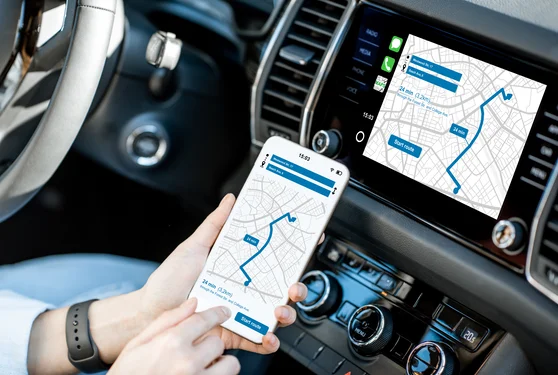
The taxi and ride-hailing industry is undergoing a significant transformation as digital platforms redefine how mobility services are delivered. Traditional taxi businesses are increasingly challenged by app-based competitors that offer speed, transparency, and convenience. To remain competitive, many operators are adopting white-label Uber clone apps that replicate the functionality of leading ride-hailing platforms while preserving brand ownership.
For mobility technology providers such as Mobility Infotech, the focus extends beyond ride booking functionality. Modern taxi platforms must integrate fleet management capabilities that enable operational control, data-driven decision-making, and scalable growth. A white-label Uber clone script, therefore, serves as a comprehensive mobility operations system rather than a simple booking tool.
White-Label Uber Clone Platforms Explained
Definition and Functional Scope
A white-label Uber clone is a pre-developed ride-hailing software solution that includes passenger applications, driver applications, administrative dashboards, and fleet management modules. These platforms are delivered with customizable branding, configurable business logic, and extensible architecture.
Industry analysis indicates that white-label Uber clone app development can reduce development timelines by more than sixty percent compared to building a platform from the ground up [1]. Mobility Infotech applies this model to deliver adaptable solutions tailored to regional regulations, fleet structures, and operational scale.
Market Growth and Industry Context
The global ride-hailing market continues to expand due to urbanization and smartphone adoption. Market research projects the industry to surpass USD 160 billion by 2025, reflecting sustained demand for on-demand transportation services [2].
In parallel, the fleet management software market is projected to exceed USD 50 billion by 2029, driven by the need for real-time visibility, analytics, and automation across transportation operations [5]. These trends reinforce the strategic importance of fleet-enabled Uber clone apps.

Core Architecture of an Uber Clone App
Passenger Application Features
The passenger-facing application is designed to deliver a seamless and intuitive booking experience. Key features include account registration, ride booking, real-time vehicle tracking, fare estimates, and digital payments. Ride history, driver ratings, and in-app support enhance transparency and trust, which are critical factors in customer retention [1].
Advanced Uber clone app may also include ride scheduling, promotional campaigns, and loyalty programs to strengthen user engagement.
Driver Application Features
The driver application focuses on efficiency, accountability, and earnings visibility. Drivers can manage availability, accept or reject ride requests, navigate routes, and track income. Document uploads and performance ratings promote operational discipline and service quality.
For fleet-based taxi operators, driver apps act as structured operational tools rather than independent contractor platforms, enabling closer alignment with fleet objectives [3].
Admin and Operations Dashboard
The administrative dashboard serves as the central control hub. Operators can manage users, monitor trips, configure pricing, and oversee fleet performance. Mobility Infotech emphasizes backend systems that offer real-time visibility and long-term operational insights, ensuring informed decision-making.

Fleet Management Capabilities in White-Label Taxi Platforms
Real-Time GPS Tracking and Monitoring
Real-time GPS tracking allows fleet administrators to monitor vehicle locations, driver status, and trip progress. This visibility improves dispatch accuracy, reduces passenger wait times, and enables proactive issue resolution [3].
Tracking capabilities also enhance customer confidence and support regulatory compliance in markets with strict transportation oversight.
Driver and Vehicle Lifecycle Management
Fleet management modules provide centralized control over driver onboarding, vehicle assignments, and documentation management. Administrators can track licenses, insurance validity, and vehicle registrations, reducing compliance risks and administrative workload [4].
Such structured oversight is essential for taxi businesses operating across multiple locations or regulatory jurisdictions.
Intelligent Dispatch and Ride Allocation
Intelligent dispatch systems automatically assign ride requests based on proximity, availability, vehicle type, and demand patterns. This reduces idle time, improves fleet utilization, and enhances service reliability during peak demand periods.
Advanced Uber clone scripts support configurable dispatch logic aligned with specific business rules.
Fleet Analytics and Performance Reporting
Analytics dashboards provide detailed insights into trip volumes, revenue trends, driver productivity, and vehicle utilization. Studies indicate that fleet operators using analytics-driven optimization can reduce operational costs by up to twenty percent through improved routing and asset management [5].
These insights enable taxi businesses to refine pricing strategies and operational planning.
Advanced Fleet Optimization Tools
Enterprise-grade Uber clone platforms may include demand heatmaps, maintenance scheduling, and telematics integrations. These features support predictive maintenance, reduce downtime, and extend vehicle lifespan, transforming fleet management into a proactive discipline.

Technical Foundations of Uber Clone App Development
Scalable and Modular System Design
Modern Uber clone app development relies on modular architecture that allows businesses to add features and services as they scale. Operators can expand into corporate rides, electric vehicle fleets, or multi-city operations without rebuilding the platform [6].
This scalability ensures long-term return on technology investment.
Multi-Region and Localization Support
White-label Uber clone apps typically support multiple languages, currencies, and regional fare configurations. Localization capabilities enable taxi businesses to expand into new markets while complying with local regulations and consumer preferences [4].
Mobility Infotech prioritizes localization as a key pillar of global mobility expansion.

Business Impact of Fleet-Enabled Taxi Platforms
Operational Efficiency and Reliability
Integrated fleet management streamlines dispatch, reduces response times, and improves service consistency. Real-time monitoring enables faster resolution of operational issues, enhancing overall service quality.
Cost Optimization and Revenue Growth
Fleet oversight improves fuel efficiency, reduces downtime, and optimizes asset utilization. The growing fleet management market underscores the financial impact of data-driven fleet operations [5].
Safety, Compliance, and Risk Mitigation
Automated documentation tracking and performance monitoring help taxi businesses maintain regulatory compliance and reduce liability. Safety features also strengthen customer trust and brand reputation.

Choosing the Right White-Label Uber Clone Partner
Platform Evaluation Criteria
Businesses should assess scalability, backend stability, data security, and customization capabilities when selecting an Uber clone app development partner.
Customization Versus Ready-Made Solutions
While ready-made scripts enable faster deployment, customized white-label solutions allow differentiation and alignment with specific operational workflows. Mobility Infotech advocates a balanced approach combining speed with strategic customization.
Post-Launch Support and Maintenance
Ongoing updates, performance optimization, and regulatory alignment are essential for long-term platform success.

The Future of Fleet-Centric Mobility Platforms
Taxi app revenues reached approximately USD 59.6 billion in 2024, reflecting sustained consumer reliance on app-based transportation services [7]. As competition intensifies, fleet intelligence and operational efficiency will define market leadership.
Fleet-centric Uber clone platforms empower taxi businesses to compete with global ride-hailing brands while maintaining ownership and control.

Conclusion
A white-label Uber clone script represents a comprehensive mobility platform that integrates ride booking with advanced fleet management capabilities. For taxi businesses seeking sustainable growth, operational transparency, and scalability, fleet-enabled Uber clone app development is a strategic investment.
Mobility Infotech continues to support this transformation by delivering future-ready white-label mobility solutions tailored to evolving market demands.
Summary
- White-label Uber clone apps enable rapid digital transformation
- Fleet management is central to efficiency and profitability
- Real-time tracking and analytics improve operational decisions
- Modular architecture supports scalable growth
- Mobility Infotech delivers enterprise-grade fleet-enabled platforms
Citations
[1] White-label Uber clone app features and development timelines, WhiteLabelFox
https://whitelabelfox.com/uber-clone-app/
[2] Global ride-hailing market forecast, Research and Markets
https://www.researchandmarkets.com/reports/5735322/ride-hailing-market-report
[3] Real-time GPS tracking in taxi platforms, UberCloneApp
https://www.ubercloneapp.com/taxi-app-clone-script/
[4] White-label taxi platform compliance and localization features, WhiteLabelUberClone
https://www.whitelabeluberclone.com/
[5] Fleet management market size and analytics impact, Technavio
https://www.technavio.com/report/fleet-management-market-industry-analysis
[6] Modular ride-hailing system architecture, UberAppClone
https://www.uberappclone.com/
[7] Global taxi app revenue statistics, Business of Apps
https://www.businessofapps.com/data/taxi-app-market/
Join 6,000+ marketers and subscribe to our weekly newsletter for exclusive social media news, tips and insights you need to boost results.

Phil Sanders
Phil Sanders is a digital marketer, content writer, and entrepreneur helping brands grow through strategy, storytelling, and authentic connection.