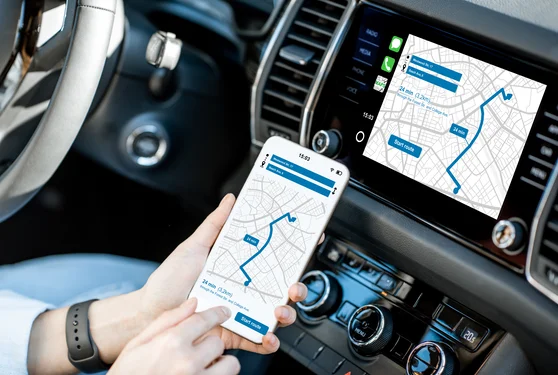
The U.S. ride-hailing industry has evolved into one of the most competitive markets in the world. With giants like Uber and Lyft dominating the scene, local entrepreneurs, startups, and even transportation businesses are looking for ways to carve out their share of the pie. According to Statista, the ride-hailing and taxi segment in the USA is projected to reach over $101 billion by 2030, proving that demand for mobility solutions is only going upward.
Naturally, many businesses think about investing in a Lyft app clone to quickly step into this billion-dollar industry. However, going for a direct clone often limits growth, customization, and long-term scalability. That’s why smart entrepreneurs are seeking alternatives to Lyft app clones—options that allow more flexibility, differentiation, and future readiness.
At Mobility Infotech, we help U.S. businesses evaluate these alternatives and build ride-hailing platforms that are not just copies of existing apps, but powerful, tailor-made solutions that resonate with local markets.
Why Look Beyond a Lyft App Clone?
While Lyft clones may promise speed and affordability, they often lack the adaptability required in the rapidly changing American mobility landscape. Here’s why:
- Limited Innovation: Clones mimic existing features but don’t offer much scope for unique branding or innovation.
- Scalability Issues: As a business expands beyond one city to multiple states, a direct clone may struggle with performance and compliance.
- User Expectations: U.S. customers demand features like seamless digital payments, loyalty programs, in-app safety options, and green mobility integrations.
- Compliance with U.S. Laws: Ride-hailing is regulated differently across states—what works in California may not work in Florida or Texas. Clones aren’t always designed to adapt to such variations.
To succeed in the U.S., businesses need more than just a replica of Lyft—they need future-proof alternatives that give them control and flexibility.

Native App Development
Native app development means building your ride-hailing app from scratch for iOS and Android platforms. This approach is ideal for businesses that want complete control over their app’s features, performance, and scalability.
- Why it works in the U.S.:
- Seamless integration with popular American payment gateways like Stripe, PayPal, and Apple Pay.
- The ability to include advanced features like EV ride-sharing, driver background checks, and AI-powered demand forecasting.
- Better performance and security compared to clones or generic apps.
- Challenges:
- Higher initial costs (can range from $50,000 to $200,000 depending on complexity).
- A longer development timeline.
Despite the costs, many U.S. startups in premium markets like New York City and San Francisco prefer native development because it enables them to stand out from Lyft and Uber, rather than blending in.

White-Label Ride-Hailing Solutions
For entrepreneurs who want to launch quickly without building from scratch, white-label ride-hailing solutions are a proven alternative. These are pre-built apps that can be customized with your branding, design, and features.
- Benefits:
- Affordable compared to native development.
- Quick launch—often within 4–6 weeks.
- Tested and reliable core technology.
- Use Case in the U.S.:
- Regional ride-hailing services in suburban markets or smaller cities like Austin, Nashville, or Raleigh use white-label solutions to compete with Lyft and Uber locally.
- College towns with strong student populations also adopt white-label apps for community-based ride-sharing.
Mobility Infotech offers customized white-label ride-hailing platforms that allow U.S. businesses to enter the market with confidence while maintaining the flexibility to upgrade features over time.

No-Code and Low-Code Platforms
The rise of no-code and low-code platforms has democratized app development in the USA. These platforms enable entrepreneurs with little to no technical background to create functional apps using drag-and-drop tools.
- Advantages:
- Extremely cost-effective for startups.
- Rapid prototyping for niche ride-hailing models (e.g., medical transport, senior rides, or eco-friendly cabs).
- Easy to maintain with minimal technical expertise.
- Limitations:
- Limited customization options for advanced features, such as real-time GPS or AI dispatching.
- Not ideal for scaling beyond local operations.
For example, a startup in Denver targeting eco-friendly electric rides can test their idea with a no-code platform before scaling up with a more advanced system.

Open-Source Ride-Hailing Solutions
If you’re tech-savvy or have a strong developer team, open-source ride-hailing platforms are an excellent alternative. These solutions provide businesses with full control over the codebase.
- Pros:
- Maximum customization freedom.
- Transparent code for better security.
- Cost savings on licensing fees.
- Cons:
- Requires technical expertise and dedicated maintenance.
- Community-driven support may be inconsistent.
In innovation-driven cities like San Francisco and Seattle, open-source solutions are popular among startups experimenting with unique mobility concepts—from EV fleets to corporate ride-hailing services.

Hybrid App Development Platforms
Hybrid app development offers the best of both worlds—cost efficiency and flexibility. These apps are built using a single codebase for both iOS and Android, making them faster to develop compared to fully native apps.
- Strengths:
- Reduced development costs.
- Faster market entry.
- Easy updates across platforms.
- U.S. Market Relevance:
- Ideal for startups expanding across multiple states quickly (e.g., launching in Chicago, Dallas, and Miami within a year).
- Perfect for businesses that want to start lean but grow fast.
Mobility Infotech offers hybrid ride-hailing platforms that strike a strong balance between affordability and performance, enabling U.S. startups to scale smoothly.

Conclusion
The American ride-hailing industry is dynamic, lucrative, and full of opportunities—but also highly competitive. While a Lyft app clone might seem like a quick entry point, businesses looking for long-term success need to think bigger.
From native app development to white-label solutions, no-code platforms, open-source frameworks, SaaS partnerships, and hybrid development, there are multiple alternatives that provide scalability, innovation, and compliance for the U.S. market.
At Mobility Infotech, we specialize in helping entrepreneurs and enterprises across the USA choose the right approach. Whether you’re a local startup in a college town, a regional transport operator, or an enterprise ready to disrupt the mobility sector, our team ensures that your app is not just another Lyft clone—but a powerful, future-ready platform tailored to your business goals.
If you’re ready to explore alternatives and build a ride-hailing app that stands out in the U.S. market, Mobility Infotech is your trusted technology partner.

Summary
The U.S. ride-hailing industry is booming, projected to surpass $101 billion by 2030, and many entrepreneurs look at Lyft app clones as an entry point. However, direct clones come with limitations—lack of innovation, scalability issues, compliance challenges, and difficulty in differentiating from competitors.
This blog explores better alternatives to Lyft clones, including:
- Native App Development – Complete customization and control, ideal for scaling in premium markets.
- White-Label Ride-Hailing Solutions – Cost-effective, fast-launch options for startups and regional players.
- No-Code and Low-Code Platforms – Affordable tools for small businesses to test niche models.
- Open-Source Solutions – Maximum flexibility for tech-savvy teams to innovate.
- Hybrid Development Platforms – A balanced approach offering affordability and scalability.
Each alternative comes with its strengths and fits different business models across the USA—from college towns to major metro areas.
Ultimately, success in this competitive industry requires more than cloning Lyft; it demands future-ready, scalable, and unique platforms. Mobility Infotech helps U.S. entrepreneurs and enterprises identify the best alternative, ensuring they launch ride-hailing apps that are innovative, compliant, and tailored for long-term growth.
Join 6,000+ marketers and subscribe to our weekly newsletter for exclusive social media news, tips and insights you need to boost results.

Phil Sanders
Phil Sanders is a digital marketer, content writer, and entrepreneur helping brands grow through strategy, storytelling, and authentic connection.