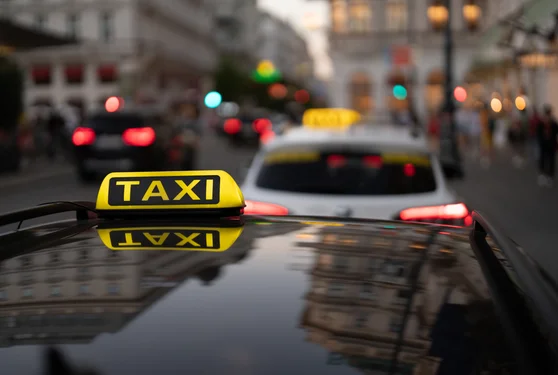
Managing drivers is the beating heart of every taxi business. Yet, for most fleet owners, it’s also the biggest operational headache. Tracking schedules, handling payments, assigning rides, maintaining compliance, and keeping drivers happy — it all adds up to a full-time challenge.
That’s where automation steps in.
At Mobility Infotech, we believe automation isn’t about replacing human oversight — it’s about empowering taxi companies to run smoother, faster, and smarter. By leveraging driver management software and real-time data systems, taxi operators in the U.S. can shift from reactive firefighting to proactive growth.
The Rising Need for Automation in the Taxi Industry
The U.S. mobility landscape is changing fast. With rising fuel costs, tight labor markets, and growing competition from ride-hailing platforms, traditional taxi companies must evolve. Manual record-keeping and paper-based scheduling simply can’t keep pace with today’s on-demand world.
Automation provides the structure and intelligence modern fleets need — making sure that every ride, route, and driver interaction adds value to your bottom line.
In cities like New York, Chicago, and Los Angeles, where fleets operate 24/7, automation isn’t just about convenience — it’s about survival. An automated system ensures round-the-clock performance without burnout, miscommunication, or missed opportunities.

What Does an Automated Driver Management System Do?
An automated driver management system serves as a digital control center for your taxi operations. It unifies driver onboarding, scheduling, trip assignments, compliance, and payments into one intelligent ecosystem.
Here’s how it works:
- When a new driver joins, the system verifies their credentials digitally.
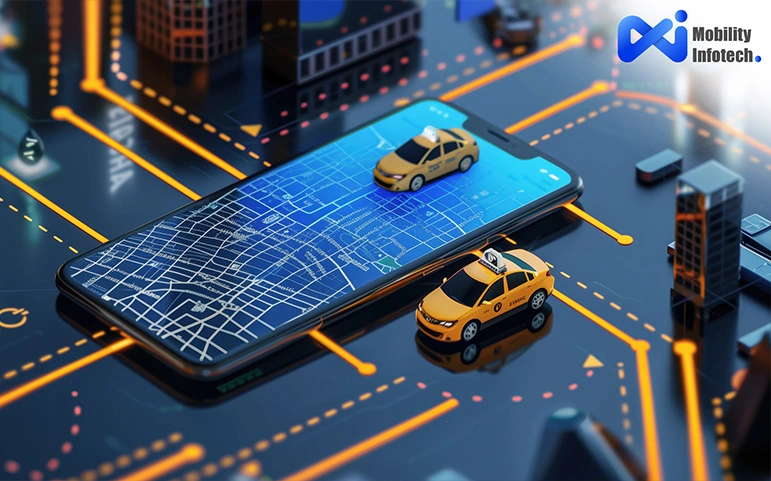
- Dispatch algorithms automatically assign trips based on proximity, driver performance, and availability.
- The driver’s app updates in real-time with upcoming trips, routes, and earnings.
- Admins and fleet managers get dashboards tracking utilization, driver ratings, and service quality.
In short, automation removes the guesswork. It gives both management and drivers the clarity they need to perform at their best — without a flood of manual input.
Core Features Every Taxi Business Should Automate
For a taxi company looking to modernize operations, here are the core automation features worth investing in:
a. Driver Onboarding & Verification
Digitally collect documents, background checks, licenses, and insurance details — no piles of paperwork. Automatic reminders for renewals prevent compliance gaps.
b. Smart Dispatching
Use intelligent algorithms to match the right driver with the right ride. Factors like distance, vehicle type, current traffic, and driver rating all play into decision-making.
c. Shift Scheduling
Drivers can log in, mark availability, or swap shifts via app notifications. The system prevents double bookings or gaps in coverage.
d. Live Tracking & Route Optimization
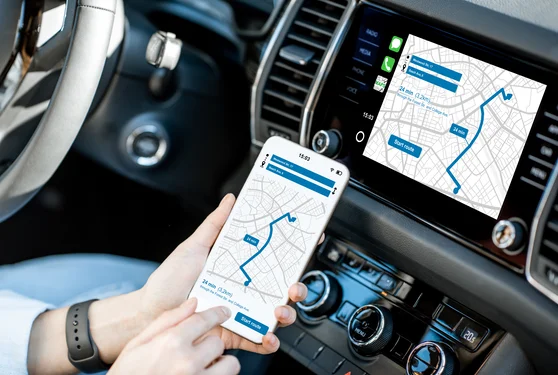
GPS tracking lets managers monitor movement in real-time. Automated routing ensures efficient pickups and fuel savings.
e. Performance Analytics
Driver behavior, trip completion rates, passenger feedback, and idle time can all be tracked automatically. These insights help reward high performers and guide improvements.
f. Automated Payments & Incentives
Fare settlements, commissions, and bonuses can be auto-calculated — reducing payment disputes and ensuring transparency.
g. Compliance & Safety Monitoring
The system keeps tabs on license expiries, driver working hours, and vehicle inspections, ensuring your business stays legally sound and safe.

How to Implement Automation Step-by-Step
Transitioning to an automated system doesn’t happen overnight. Here’s a practical roadmap:
Step 1: Audit Your Current System
List out all the manual processes — scheduling, trip logs, payroll, etc. Identify where the most time and errors occur.
Step 2: Choose the Right Platform
Look for a driver management solution that integrates easily with your booking and dispatch system. Mobility Infotech’s software, for instance, can be tailored for fleets of any size, allowing gradual scaling.
Step 3: Train Your Team
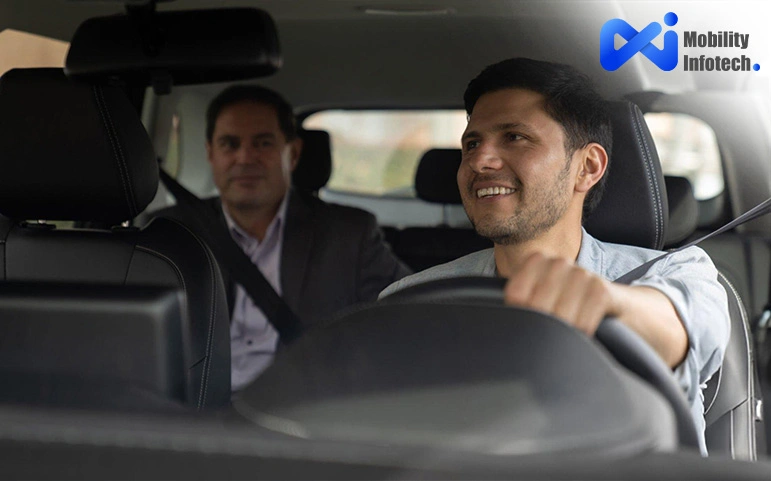
Automation is only as good as its adoption. Train your dispatchers and drivers to use the system effectively. Introduce it as a productivity partner, not a policing tool.
Step 4: Start Small
Pilot automation in one zone or shift pattern before rolling it out fleet-wide. Gather feedback, refine workflows, and build confidence.
Step 5: Integrate & Optimize
Once live, integrate your automation with payment gateways, GPS tracking, and analytics dashboards. Continuous feedback loops help improve performance and driver satisfaction.
Key Benefits of Driver Management Automation
a. Reduced Operational Load
No more endless spreadsheets or phone calls. Everything from shift planning to payouts happens seamlessly.
b. Enhanced Driver Productivity
Automated dispatch ensures drivers spend more time driving and less time waiting — increasing per-driver revenue.
c. Improved Customer Experience
Faster pickups, optimized routes, and professional driver behavior translate into higher customer satisfaction and loyalty.
d. Transparent Earnings
Digital payment records and incentive reports build trust and retention among drivers — a critical advantage in competitive U.S. markets.
e. Data-Driven Decision Making
Real-time dashboards help you see what’s working — and what’s not. You can track demand peaks, identify underperforming areas, and make better business decisions.
f. Compliance Peace of Mind
Automated systems send alerts before license renewals, insurance lapses, or working-hour violations occur — keeping your company audit-ready at all times.
Challenges to Expect and How to Overcome Them
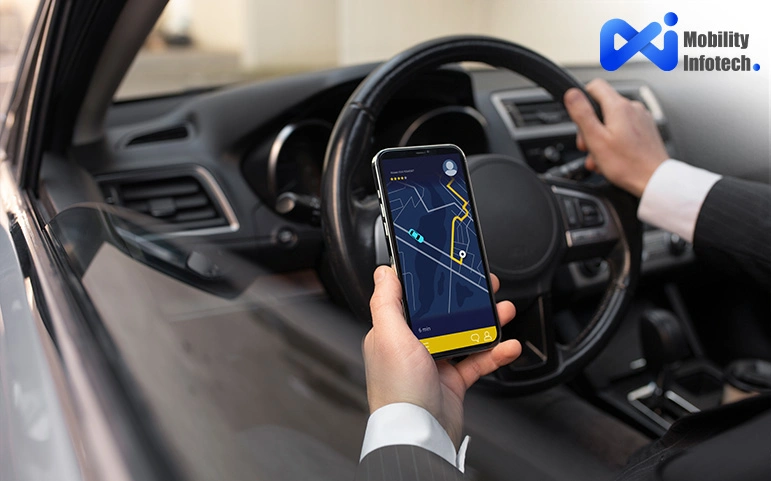
Even with the clear benefits of automation, taxi companies may encounter a few challenges. Drivers may resist change initially, so it’s important to communicate the advantages clearly, such as faster payouts, fairer dispatching, and more flexible schedules, along with short training sessions to ease the transition. Integrating automation with existing legacy systems can be tricky, so a modular approach — adding new features gradually — works best. While the upfront costs of implementing automation might seem high, they should be viewed as an investment, as the long-term savings in administrative hours, fuel efficiency, and operational efficiency far outweigh the initial spend. Data management and privacy are critical, so partnering with trusted providers like Mobility Infotech, who use secure cloud environments and encrypted protocols, ensures safety and compliance. Finally, maintaining a personal touch is essential; automation should enhance efficiency without replacing human interaction, keeping channels open for support, feedback, and driver motivation.
What’s Next for Automated Taxi Operations?
The next phase of automation goes beyond task management. AI-driven driver analytics will predict demand hotspots, automatically reposition idle vehicles, and even assess driving style to reduce wear and tear.
For U.S. fleets, we foresee:
- Predictive dispatching using AI demand forecasting.
- Voice-enabled driver apps that minimise distraction.
- Dynamic incentive models that adjust automatically based on performance and demand.
- Real-time driver health & fatigue monitoring for safer rides.
Mobility Infotech is at the forefront of these innovations, helping taxi operators transition toward a fully connected, intelligent, and efficient mobility ecosystem.
Summary
Managing drivers is one of the most critical and complex aspects of running a taxi business. Automation offers a modern solution, streamlining onboarding, scheduling, dispatch, performance tracking, payments, and compliance. By implementing a driver management system, taxi companies can reduce administrative burden, improve driver productivity, enhance customer experience, and make data-driven decisions. While challenges such as driver resistance, integration with legacy systems, upfront costs, and data privacy exist, they can be effectively managed with careful planning, training, and secure technology solutions. Looking ahead, AI-driven analytics, predictive dispatch, and intelligent incentives will further optimize taxi operations. For U.S. fleets, embracing automation with partners like Mobility Infotech ensures efficiency, scalability, and a competitive edge in today’s fast-paced mobility market.
Join 6,000+ marketers and subscribe to our weekly newsletter for exclusive social media news, tips and insights you need to boost results.

Dustin Pratt
Dustin Pratt is a software developer passionate about building scalable solutions, writing clean code, and creating apps that make life easier.