
Embarking on a startup journey in the mobility sector can feel like an exhilarating but daunting challenge. The global ride-hailing market is projected to reach a staggering valuation in the coming years, presenting a golden opportunity for new players. However, breaking through requires more than just a great idea; it demands a robust, scalable, and feature-rich application. For many startups, the decision to hire a development partner is one of the most critical choices they'll make. The right taxi app development company can provide the technical expertise, industry insights, and scalable solutions needed to turn a vision into a viable, profitable business. This blog post, an offering from Mobility Infotech, aims to guide aspiring entrepreneurs through the landscape of top-tier app development companies, helping them make an informed decision for their venture.
The Startup's Dilemma: Build vs. Buy vs. Partner
Before a startup can even begin to think about a launch, it must decide on its development strategy. The three primary paths are:
- Building In-House: This involves hiring a team of developers, designers, and project managers. While this provides complete control and customization, it is often prohibitively expensive and time-consuming for a startup. It requires significant capital for salaries, infrastructure, and ongoing management.
- Buying a White-Label Solution: Many companies offer pre-built, customizable taxi app solutions. These can be a quick and relatively inexpensive way to market. However, they often come with limitations on customization, scalability, and ownership of the source code.
- Partnering with a Development Company: This is the most popular and strategic choice for most startups. By collaborating with a specialized firm, a startup can leverage a team of experienced professionals, reduce initial costs, and focus on its core business strategy—marketing, driver acquisition, and customer experience—while the technology is handled by experts.
The best development companies offer a blend of a flexible white-label solution with the option for deep customization, allowing a startup to get to market quickly while still building a unique and scalable platform.

Key Features a Startup Taxi App Must Have
A successful taxi app requires a trifecta of applications: one for the passenger, one for the driver, and an admin panel to manage the entire operation. While a basic Minimum Viable Product (MVP) can get a startup off the ground, a competitive edge requires a robust set of features.
For the Passenger:
- Simple Registration and Profile Management: Easy signup via social media or email.
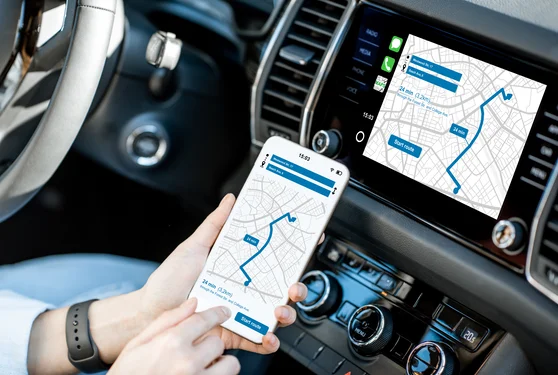
- Real-Time GPS Tracking: The core functionality. Passengers must be able to see the driver's location and estimated time of arrival (ETA).
- Multiple Payment Gateways: Integration with popular digital wallets, credit cards, and cash options.
- In-App Messaging/Calling: A secure way for passengers and drivers to communicate without sharing personal phone numbers.
- Fare Estimation and Ride History: Transparency is key to building user trust.
- Ratings and Reviews: A two-way feedback system for quality control.
- SOS/Emergency Button: A critical safety feature that connects to a predefined contact or a local emergency service.
For the Driver:
- Driver Profile and Vehicle Management: A system for drivers to manage their vehicles and documentation.
- Real-Time Ride Requests: The ability to accept or decline ride requests with clear information on pickup and drop-off locations.
- Route Optimization and Navigation: Integration with mapping services to provide the best routes.
- Earnings and Performance Dashboard: Drivers must be able to track their income, trip history, and ratings.
- Availability Toggle: The simple ability for a driver to go offline.
For the Admin:
- Comprehensive Dashboard: A central hub to monitor all ongoing activities, including rides, drivers, and payments.
- Driver and Passenger Management: Tools to onboard, verify, and manage users.
- Real-Time Analytics and Reporting: Insights into demand patterns, revenue, and driver performance to make data-driven decisions.
- Pricing and Promotions Management: The ability to set and adjust fare rates, and create discount codes or promotional campaigns.

Choosing a Partner: What to Look For
Selecting the right development partner is a decision that will impact your business for years to come. Here are the key criteria to consider:
- Industry Experience: Look for a company with a proven track record in the mobility and on-demand sectors. They should understand the unique challenges of the ride-hailing industry.
- Technical Expertise: A strong firm will be proficient in a modern tech stack (e.g., React Native, Flutter for cross-platform apps; Node.js, Python for the backend) and have expertise in complex functionalities like GPS integration, real-time data processing, and secure payment gateways.
- Scalability: The app must be built to handle future growth. Ask how their solutions can scale from handling a few hundred rides a day to tens of thousands.
- Customization and White-Labeling: A good partner offers a foundational product that can be quickly branded and launched, while also providing the flexibility for custom feature development down the line.
- Post-Launch Support: The relationship doesn't end after the app is launched. Ongoing maintenance, bug fixes, and feature updates are crucial for long-term success.
- Transparent Communication and Project Management: Look for a company that provides clear and consistent communication throughout the development process. A transparent project management system will give you peace of mind and full visibility into the progress.

Top Taxi App Development Companies for Startups
Navigating the crowded market of development firms can be challenging. Here is a list of some of the leading companies renowned for their work in the mobility sector, particularly with startups.
- Mobility Infotech: A leader in the mobility sector, Mobility Infotech specializes in creating highly scalable and customizable taxi app solutions. Their unique selling proposition lies in a deep understanding of market dynamics, offering not just a product, but a strategic partnership. They provide a robust, white-label solution that gets startups to market quickly, while their expert team offers extensive post-launch support and consulting to help businesses scale effectively.
- Apptunix: Known for its robust and feature-rich Uber-like solutions, Apptunix offers a powerful white-label product that can be deployed rapidly. They have a strong reputation for delivering user-friendly apps with comprehensive admin panels.
- Code Brew Labs: Code Brew Labs provides end-to-end taxi app development services with a focus on delivering high-quality, scalable applications. They emphasize a high degree of customization and offer a range of features, including a powerful analytics dashboard.
- RipenApps: This company has a strong portfolio of on-demand apps and is recognized for its ability to transform ideas into market-ready products. They focus on agile development methodologies to ensure timely delivery and a smooth user experience.
- iCoderz Solutions: With a focus on both front-end and back-end development, iCoderz offers scalable and fully functional taxi app solutions. They have a proven track record of helping startups enter the competitive ride-hailing market.

Cost-Effective Solutions for Startups
The cost of developing a taxi app can vary widely, from a few thousand dollars to well over a hundred thousand, depending on the complexity, features, and geographical location of the development team. For startups with limited budgets, a few strategies can help manage costs without sacrificing quality:
- Start with an MVP: Focus on core, essential features first. This allows you to launch quickly, test the market, and attract initial users. You can then add more advanced features as the business grows and generates revenue.
- Opt for a White-Label Solution: A pre-built solution with customization is a significantly more cost-effective option than building from scratch. It saves a substantial amount on development hours and testing.
- Consider Offshore Development: Hiring a development team from a region with lower labor costs, such as India or Eastern Europe, can drastically reduce the overall project budget while still providing access to top-tier talent.
- Subscription-Based Models: Some companies, like Mobility Infotech, offer subscription-based models with a lower upfront cost. This can be an excellent way for startups to manage their cash flow in the early stages.

The Importance of Post-Launch Support
The launch is not the end of the development journey; it’s just the beginning. The on-demand mobility market is dynamic and requires constant adaptation. A dedicated development partner will provide continuous support for:
- Bug Fixes and Performance Optimization: Ensuring the app remains stable and fast as your user base grows.
- Feature Updates: Introducing new features based on user feedback and market trends to stay competitive.
- Security Patches: Protecting user data and the platform from emerging threats.
- Scalability Adjustments: Upgrading server infrastructure and architecture to handle increased traffic and ride volume.
Choosing a company that offers comprehensive post-launch support, like Mobility Infotech, is a critical step in securing the long-term success of your startup.

Beyond the App: A Partnership for Growth
The most successful taxi app startups view their development company as a true partner. This relationship extends beyond the technical aspects of the app to encompass strategic guidance. The best partners can provide valuable insights on everything from monetization strategies and driver incentive programs to market positioning and scaling tactics. They become an integral part of your team, dedicated to your growth and success. This holistic approach is what separates a transactional client-vendor relationship from a powerful, long-term collaboration.

Summary
The journey of building a successful taxi startup is a marathon, not a sprint. While the vision and market strategy are your unique contributions, the technology that powers your business is the engine. By carefully selecting a specialized taxi app development company that understands the nuances of the mobility market, offers scalable solutions, and acts as a strategic partner, you can significantly increase your chances of success. The key is to look for a company that provides more than just an app; look for one that provides a pathway to growth.
Join 6,000+ marketers and subscribe to our weekly newsletter for exclusive social media news, tips and insights you need to boost results.