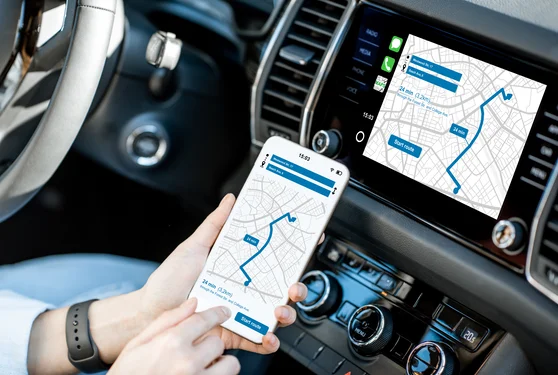
The ride-hailing industry has seen explosive growth over the past decade. With companies like Uber and Ola setting the benchmark, businesses operating taxi services are increasingly recognizing the need for their own branded mobile applications. A dedicated app not only strengthens your brand identity but also enables better customer engagement, streamlined operations, and improved overall efficiency.
Traditionally, developing a mobile app required substantial technical expertise, coding knowledge, and a considerable budget. This often meant that small or medium-sized taxi businesses were unable to compete on the same level as large players. However, the emergence of no-code and low-code platforms has democratized app development. Today, any business can build a professional, fully functional taxi app without writing a single line of code.
With a no-code app, your company can implement features like real-time ride tracking, in-app payments, push notifications, and driver management while keeping costs low and development timelines short. Mobility Infotech specializes in helping businesses navigate this no-code transformation, allowing companies to focus on scaling their operations instead of worrying about technical complexities.
Understanding Branded Taxi Apps
A branded taxi app is a customized application that represents your company’s identity and enables customers to book rides, track drivers, pay digitally, and provide feedback—all under your brand name. Unlike using third-party apps or relying solely on phone bookings, a branded app provides complete control over customer experience, data collection, and branding.
In addition to the basic ride-booking function, modern taxi apps incorporate features like driver ratings, fare estimation, route optimization, loyalty programs, and customer support. This transforms your app into a complete mobility ecosystem, where passengers enjoy a seamless experience, and businesses gain actionable insights into their operations.
From a business perspective, branded taxi apps improve efficiency and allow for direct customer communication. For example, you can offer promotions, notify users of new services, and even gather customer feedback for service improvement. A well-designed branded app also differentiates your company from competitors, encouraging customer loyalty and repeat usage.

Importance of a Branded Taxi App for Your Business
Investing in a branded taxi app is no longer optional—it's essential for businesses that want to remain competitive in a technology-driven market. Some key benefits include:
- Improved Customer Experience:
Customers increasingly expect fast, convenient, and personalized services. A branded app enables features like one-tap booking, estimated time of arrival (ETA), and real-time tracking, which dramatically enhance the user experience.
- Brand Recognition and Trust:
Your app acts as a direct representation of your business. Displaying your logo, brand colors, and unique features strengthens recognition and builds trust with customers.
- Operational Efficiency:
By automating bookings, driver allocation, fare calculations, and payment processing, a taxi app reduces manual workloads, minimizes errors, and increases productivity.
- Customer Retention and Loyalty:
Through loyalty programs, push notifications, and personalized promotions, a branded app encourages repeat usage, increasing long-term customer retention.
- Data Insights for Smarter Decisions:
The app collects valuable data, including ride patterns, peak booking times, preferred routes, and customer behavior. These insights can help optimize fleet operations and improve revenue.
- Scalability:
A branded app allows businesses to expand operations easily. Adding new vehicles, drivers, or service areas can be managed efficiently within the app ecosystem.
In short, a branded taxi app is not just a booking platform—it’s a strategic tool for growth, operational control, and customer engagement.

Core Features Needed in a Branded Taxi App
To create a robust and competitive taxi app, it is crucial to include core features that address both customer and business needs:
- User Registration & Profile Management: Easy sign-up using email, phone, or social media accounts, along with the ability to save personal preferences.
- Ride Booking & Scheduling: Customers should be able to book immediate rides or schedule trips for future dates.
- Real-Time GPS Tracking: Track drivers in real-time and display the estimated time of arrival (ETA) to passengers.
- Fare Estimation: Provide accurate fare calculations before the ride begins, including surge pricing if applicable.
- In-App Payments: Integration with multiple payment gateways (credit/debit cards, UPI, wallets, or cash) ensures convenience and security.
- Ratings & Reviews: Feedback mechanisms for drivers and overall service quality help maintain high standards.
- Push Notifications: Keep customers updated with booking confirmations, driver arrivals, promotional offers, and reminders.
- Driver App and Admin Dashboard: A separate interface for drivers to manage rides and for admins to monitor operations, track revenue, and optimize fleet management.
- Loyalty Programs & Offers: Encourage repeat business with rewards, discounts, or membership programs.
No-code platforms today allow businesses to implement all these features visually, without writing code, providing full branding customization and professional functionality.

Tools and Platforms to Build a Taxi App Without Coding
Thanks to advancements in no-code technology, businesses can now create professional taxi apps quickly and efficiently. Here are some popular platforms:
- Appy Pie: This drag-and-drop builder offers GPS tracking, payment gateways, and push notifications. Ideal for fully branded taxi apps.
- Glide: Turns spreadsheets into mobile apps, suitable for smaller fleets or proof-of-concept apps.
- Thunkable: Visual app development platform for Android and iOS, supporting map integration, payments, and notifications.
- Zoho Creator: Enterprise-grade app builder with advanced workflow automation and database integration.
- Bubble: This framework offers full control over app logic, UI design, and data management, making it suitable for highly customized apps.
Using these tools, businesses can create scalable apps, integrate APIs, and maintain the app without technical knowledge. Mobility Infotech specializes in guiding companies through selecting the right platform and customizing features to match operational needs.

Benefits of Launching a No-Code Taxi App
No-code taxi apps offer multiple advantages, especially for small and medium businesses:
- Faster Time-to-Market: No-code platforms drastically reduce development timelines. An app that would take months can be launched in weeks.
- Cost-Effective: Avoids hiring expensive development teams. Initial investment and maintenance costs are much lower than traditional development.
- Easy Updates and Maintenance: New features, design changes, or bug fixes can be implemented quickly via visual editors.
- Flexibility and Scalability: Apps can grow with your business. Adding new vehicles, drivers, or locations is easier on no-code platforms.
- Reduced Technical Dependency: Non-technical business owners can manage app workflows, reducing reliance on developers for minor changes.
- Competitive Advantage: Quickly launching a branded app allows businesses to capture market share and meet customer expectations efficiently.
No-code apps are particularly advantageous for businesses that want to focus on service quality, customer engagement, and scaling, rather than worrying about technical complexities.

Challenges You Might Face When Launching a No-Code Taxi App
Despite the benefits, some challenges exist in building a no-code taxi app:
- Limited Advanced Customization: While no-code tools are flexible, extremely unique features may require traditional coding.
- Platform Dependency: Your app may depend on the chosen platform’s limitations, affecting long-term scalability.
- Security Concerns: Sensitive customer data, including payment information, requires robust security measures. Ensure that the platform complies with regulations like PCI DSS and GDPR.
- Integration with Existing Systems: Connecting the app to existing CRM, ERP, or fleet management systems can be complex.
- User Adoption: Both drivers and customers need training and support to effectively use the app.
- Performance at Scale: As your user base grows, the app must handle increased load efficiently. Some no-code platforms may face limitations at very high scales.
By anticipating these challenges and choosing a capable no-code platform, businesses can launch apps that are secure, scalable, and professional. Mobility Infotech assists companies in mitigating these issues while ensuring a smooth app launch.

Future Trends in Taxi App Development
The taxi industry is continuously evolving, and no-code apps are keeping pace with emerging trends:
- AI-Powered Ride Predictions: Predictive analytics helps manage fleet distribution, optimize routes, and reduce wait times.
- Integration with Electric Vehicles (EVs): Apps may include options for eco-friendly rides, including electric or hybrid vehicles.
- Augmented Reality (AR) for Navigation: AR features can help drivers and passengers navigate complex city layouts.
- Blockchain Payment Systems: Secure and transparent mobile transactions are becoming a reality.
- Voice-Activated Booking: Voice commands allow hands-free ride booking, improving accessibility.
- Subscription Models: Offering ride packages or monthly plans to retain loyal customers.
No-code platforms are rapidly adopting these technologies, enabling businesses to implement cutting-edge features without complex coding. Mobility Infotech helps clients leverage these trends to stay ahead of the competition.

Conclusion
Launching a branded taxi app without coding is now more accessible than ever. No-code platforms allow businesses to implement core features, ensure seamless branding, and create a professional user experience with minimal technical expertise.
A well-designed taxi app enhances customer engagement, streamlines operations, strengthens brand visibility, and provides data-driven insights. While challenges such as security, scalability, and platform limitations exist, partnering with experts like Mobility Infotech ensures businesses overcome these obstacles while delivering a high-quality, functional, and scalable app.
No-code taxi apps empower businesses to compete with industry giants, build customer loyalty, and stay agile in an evolving market—all while saving time and costs.
Summary
A branded taxi app is a strategic investment for businesses seeking growth and competitive advantage. No-code platforms such as Appy Pie, Glide, Thunkable, Zoho Creator, and Bubble allow companies to build apps quickly, cost-effectively, and without coding expertise.
Including features like ride booking, GPS tracking, fare calculation, in-app payments, driver dashboards, and push notifications creates a professional and user-friendly app experience. While challenges like security, user adoption, and advanced customization exist, they can be effectively managed with proper planning and expert guidance.
By leveraging no-code solutions, businesses can implement scalable, efficient, and customer-centric taxi apps. Mobility Infotech specializes in helping companies navigate this no-code journey, ensuring apps meet business objectives, provide superior customer experiences, and remain competitive in a rapidly evolving taxi and ride-hailing industry.
Join 6,000+ marketers and subscribe to our weekly newsletter for exclusive social media news, tips and insights you need to boost results.

Rachael Huber
I’m a web developer who doesn’t just write code—I live it. Web development isn’t just my profession; it’s my passion, my hobby, and my constant curiosity.