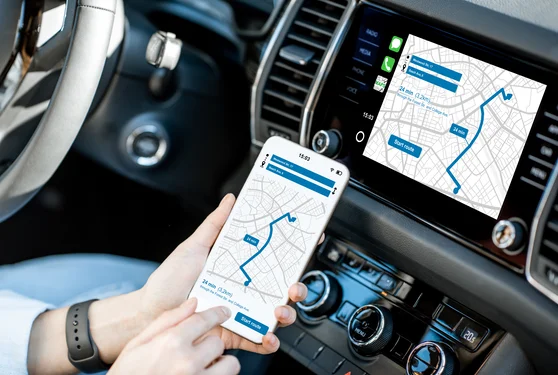
In the modern corporate ecosystem, employee commuting has become increasingly complex and resource-intensive. Traditional transportation approaches — such as individual rides or shuttle services — often fail to optimize both cost and time efficiency. With urban congestion and environmental concerns on the rise, companies are compelled to seek smarter, technology-driven solutions that streamline employee transportation.
A customizable carpool platform enables you to tailor commuting solutions to your organization's specific needs. Unlike generic ride-sharing apps, a corporate carpool solution provides granular control over route planning, ride allocation, safety protocols, and integration with internal systems. The adoption of such platforms is particularly relevant for medium to large enterprises in the United States, where workforce dispersion across multiple office locations and remote work hubs adds complexity to commuting logistics. By investing in a bespoke solution, companies not only improve operational efficiency but also project a forward-thinking, sustainability-oriented brand image.
Understanding the Benefits of a Customizable Carpool Platform
A customizable carpool platform brings tangible and intangible benefits across multiple dimensions of corporate operations.
Operational Efficiency: By leveraging algorithms to dynamically match drivers with riders, a carpool platform can drastically reduce idle commute time. This optimization is crucial in large organizations with employees spread across extensive geographic areas. With integrated GPS tracking and route optimization, employees spend less time in transit, improving punctuality and productivity.
Cost Reduction: Fuel costs, vehicle maintenance, and parking expenditures are major financial drains for companies. A strategic carpool system can lower these costs significantly by consolidating rides, optimizing vehicle utilization, and reducing the dependency on shuttle services.
Sustainability: Environmental responsibility is no longer optional. Companies adopting carpool solutions directly contribute to lowering carbon emissions, reducing congestion, and promoting green mobility initiatives. This alignment with environmental, social, and governance (ESG) goals can also enhance corporate reputation, helping attract eco-conscious talent.
Employee Satisfaction: Long and unpredictable commutes are a major source of stress. By offering a reliable and efficient carpooling option, employees experience less commuting anxiety, arrive at work energized, and exhibit higher engagement levels. Additionally, social interactions during shared rides can enhance workplace cohesion and morale.
A platform that is fully customizable ensures that these benefits are amplified. It allows organizations to incorporate their unique policies, commuting patterns, and employee preferences, rather than forcing adoption of a one-size-fits-all model.

Assessing Your Company’s Mobility Needs
A successful carpool platform begins with a comprehensive mobility assessment. This process ensures that your solution is tailored to real operational requirements and employee behavior patterns.
Workforce Analysis: Understanding employee distribution, peak commuting hours, and geographic clusters is critical. Collecting granular data on where employees live, their commuting frequency, and preferred modes of transport informs route design and vehicle allocation.
Resource Audit: Evaluate existing transportation resources such as shuttle fleets, parking infrastructure, or corporate vehicle allowances. Identifying gaps helps determine the scale and scope of the carpool platform required.
Policy Alignment: Ensure that your solution aligns with HR guidelines, safety policies, and organizational sustainability mandates. For instance, a company with a remote-first culture may require a hybrid model combining occasional carpooling with public transport integrations.
User Feedback: Engaging employees early on provides actionable insights. Surveys, focus groups, or pilot programs can reveal commuting pain points, safety concerns, and willingness to participate in a shared mobility program.
A thorough needs assessment reduces implementation risks and increases the likelihood of platform adoption and long-term success.

Choosing the Right Technology Stack
The technology stack is the backbone of your carpool platform. Selecting the right combination of tools ensures scalability, flexibility, and user satisfaction.
Frontend Frameworks: React, Angular, and Vue.js provide responsive, dynamic, and intuitive interfaces. These frameworks allow for real-time updates on ride availability, route changes, and user notifications.
Backend Infrastructure: Robust backend technologies such as Node.js, Python Django, or Ruby on Rails manage complex ride-matching algorithms, data processing, and integration with third-party APIs. This ensures smooth operation even under high user load.
Database Management: Platforms like PostgreSQL, MongoDB, or MySQL support real-time storage of rides, employee profiles, vehicle data, and historical analytics. Advanced indexing and query optimization are essential for high-performance data retrieval.
Mobile Integration: Offering native iOS and Android applications, or cross-platform solutions like Flutter or React Native, ensures broad employee accessibility. Features such as push notifications, GPS navigation, and in-app communication enhance user experience.
APIs and Integrations: Seamless integration with GPS providers, payment gateways, calendar systems, and corporate HR platforms allows real-time synchronization and reduces administrative overhead.
Choosing a future-ready technology stack not only facilitates current operations but also enables the integration of emerging technologies like AI-based predictive routing, machine learning for ride optimization, and IoT-enabled vehicle telemetry.

Key Features to Include in Your Carpool Platform
A feature-rich carpool platform encourages adoption and ensures operational excellence. Key functionalities include:
Dynamic Ride Matching: AI-driven algorithms that account for employee locations, schedules, route efficiency, and preferences optimize matching for minimal travel time and maximum convenience.
Real-Time Tracking: GPS-enabled live ride monitoring improves safety, punctuality, and transparency, allowing employees and administrators to track vehicles in real-time.
In-App Communication: Secure chat, voice, or video communication within the app ensures coordination among riders and drivers, improving convenience and reducing logistical friction.
Flexible Scheduling: The ability to schedule recurring rides, one-time commutes, or last-minute changes provides the flexibility modern employees expect.
Rewards and Incentives: Gamified programs that reward frequent users, eco-friendly choices, or punctuality can boost platform adoption. Points, badges, or corporate perks make participation more engaging.
Analytics Dashboard: A comprehensive admin dashboard that tracks route efficiency, fuel savings, emission reductions, and employee participation is essential for data-driven decision-making.
Customizable features allow companies to tailor the platform according to organizational policies, whether emphasizing sustainability, cost optimization, or employee satisfaction.

Integrating Safety and Compliance Measures
Safety is paramount in corporate carpooling. Failure to implement strict safety protocols can jeopardize both employees and company liability.
Driver Verification: Comprehensive background checks, license validation, and driving record assessments ensure that only qualified personnel operate vehicles.
Ride Monitoring: GPS tracking, geofencing, and automated alerts for deviations from planned routes enhance security. Emergency SOS features provide real-time assistance in case of incidents.
Data Privacy Compliance: Corporate carpool platforms must adhere to regional and federal regulations, including CCPA in California, GDPR for multinational operations, and HIPAA if employee health data is involved. Encryption and access controls protect sensitive information.
Insurance Coverage: Incorporating ride-specific liability insurance and ensuring corporate coverage for all participants mitigates potential risks. Companies may also provide additional protection for accidents or vehicle damage.
Integrating safety and compliance not only protects employees but also strengthens trust, which is critical for successful adoption.

Scalability: Preparing for Future Growth
A carpool platform must be built to accommodate growth without compromising performance or usability.
Modular Architecture: Microservices architecture enables individual modules, such as ride-matching or payment processing, to be scaled independently. This allows for seamless feature expansion.
Cloud Infrastructure: Leveraging cloud platforms like AWS, Google Cloud, or Azure provides elastic computing resources, ensuring high performance even during peak usage periods.
Load Balancing: Efficient distribution of server requests prevents downtime and ensures consistent performance.
Continuous Improvement: AI-driven predictive analytics can anticipate commuter demand, optimize route allocation, and adapt to changing workforce patterns. Automated updates and modular enhancements ensure the platform evolves with organizational needs.
Scalability ensures your investment remains viable as your organization grows and commuting patterns become increasingly complex.

Launch Strategy: From Concept to Deployment
Successful implementation requires a structured rollout strategy.
Pilot Program:
Launch the platform with a small group of employees to test usability, identify operational bottlenecks, and gather behavioural data.
Feedback Loop:
Continuous collection of user feedback allows iterative improvements in functionality, interface design, and feature prioritization.
Full Deployment:
Expand gradually across departments or locations. Staggered deployment ensures technical stability and minimizes disruption to daily operations.
Marketing & Awareness:
Internal awareness campaigns, tutorials, and incentive programs encourage participation and highlight benefits.
Post-Launch Support:
Dedicated technical support, regular updates, and feature expansion maintain high engagement and long-term platform success.
By following a strategic, phased approach, companies can ensure adoption, optimize operational efficiency, and achieve measurable results.

Conclusion
A fully customizable corporate carpool platform is more than a commuting solution; it is a strategic tool that reduces costs, improves employee satisfaction, enhances operational efficiency, and supports sustainability objectives. By conducting a thorough mobility assessment, choosing the right technology stack, integrating essential features, prioritizing safety and compliance, and planning a scalable deployment, organizations in the USA can create a robust commuting solution tailored to their workforce.
Summary
In conclusion, launching a corporate carpool platform requires meticulous planning, strategic technology choices, and an employee-centric approach. Companies that invest in customizable solutions can:
- Optimize workforce commuting with data-driven route matching and scheduling.
- Reduce operational and environmental costs through shared rides.
- Enhance employee satisfaction and engagement through convenience and gamification.
- Maintain rigorous safety and compliance standards.
- Ensure platform scalability to meet future growth.
Mobility Infotech empowers organizations to quickly deploy enterprise-grade carpool platforms, leveraging technology, AI, and real-time analytics. With a customizable, secure, and scalable solution, companies can transform commuting from a logistical challenge into a strategic advantage.
Join 6,000+ marketers and subscribe to our weekly newsletter for exclusive social media news, tips and insights you need to boost results.

Rachael Huber
I’m a web developer who doesn’t just write code—I live it. Web development isn’t just my profession; it’s my passion, my hobby, and my constant curiosity.