In today's fast-paced world, on-demand services are no longer a luxury but a necessity. For the transportation sector, this translates into the widespread adoption of taxi booking applications. For Mobility Infotech, understanding the critical features that make these apps successful in the competitive USA market is paramount. This blog post delves into the fundamental and advanced functionalities, along with the underlying technical components, that empower a seamless and efficient ride-hailing experience.
Essential Passenger App Features
At its heart, a robust taxi booking application relies on several foundational features, ensuring a smooth and intuitive user journey for passengers.
- Effortless Registration and Profile Management: A straightforward sign-up process is crucial for user acquisition. This typically involves options like email, phone number verification (often with SMS OTP for security), or convenient social media logins (e.g., Google, Facebook, Apple ID). Once registered, passengers can manage personal information, preferred payment methods, and view their ride history within their profile. The ability to update these details easily is key for a good user experience.
- Intuitive Booking Interface: This is where the magic of a ride-hailing app truly begins. Passengers should be able to effortlessly enter their pickup and drop-off locations. This is often enhanced with auto-complete suggestions from Google Maps API and map-based selection for pinpoint accuracy. Users should also have clear options to select vehicle types (e.g., standard, premium, SUV, shared ride) and instantly receive estimated fares based on distance, time, and current demand. The ability for passengers to save frequently used locations (e.g., home, work) as "favorites" further streamlines the booking process.
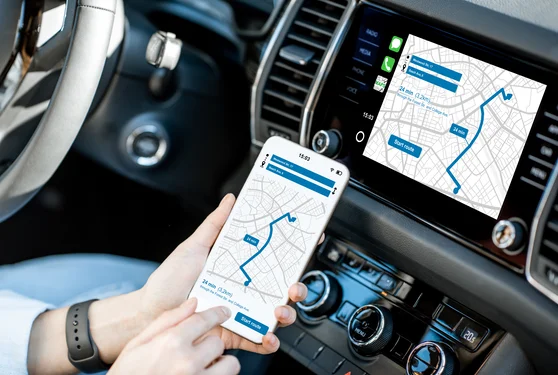
- Real-Time Tracking: Leveraging advanced GPS Integration is absolutely non-negotiable for any modern taxi app. Passengers expect to track their assigned taxi in real-time on an interactive map, view its estimated time of arrival (ETA), and monitor the ride's progress from pickup to destination. This transparency significantly enhances the passenger's experience and reduces anxiety.
- Secure and Flexible Payment Options: Catering to diverse user preferences in the USA, the app must support a wide range of multiple payment gateways. This typically includes major credit/debit cards (Visa, Mastercard, American Express), popular digital wallets (like Apple Pay, Google Pay, Stripe, PayPal), and, depending on the operational model, even cash payment options. Secure transaction processing with PCI DSS compliance and instant digital receipts sent via email or within the app are essential for transparency and building user trust.
- In-App Communication (Chat/Call): Direct and convenient communication between passengers and drivers is vital for clarifying pickup locations, addressing unexpected delays, or handling any trip-related queries. This feature, often facilitated through a masked phone number or in-app chat, maintains privacy and security for both parties.
- Ratings and Reviews System: A robust two-way feedback mechanism is crucial for maintaining service quality. It allows passengers to rate their drivers (typically on a 1-5 star scale) and provide constructive reviews. This system helps Mobility Infotech to identify top-performing drivers, address service issues, and continually improve the overall ride-hailing experience.
- Ride History: A comprehensive and easily accessible record of past trips, known as ride history, is a valuable feature for users. It typically includes details like date, time, route taken, fare breakdown (including surcharges or discounts), and driver information. This is beneficial for expense tracking, rebooking a favorite driver, or for customer support inquiries.
- Push Notifications and Alerts: Timely notifications are essential to keep users informed at every critical stage of their journey. These include alerts for booking confirmation, driver assignment, driver arrival, trip start/end, and payment successful messages. This proactive communication enhances the user experience and reduces anxiety.

Essential Driver App Features
For the driver, the application needs to be an efficient tool that helps them manage rides and earnings seamlessly.
- Driver Profile and Document Management: Similar to passengers, drivers require a comprehensive profile where they can manage their personal details, vehicle information (make, model, license plate), and upload necessary documents like driver's license, vehicle registration, and insurance. The app should facilitate easy document uploads and provide reminders for renewals to ensure compliance.
- Real-Time Navigation: For drivers, the app provides turn-by-turn navigation powered by GPS Integration data, ensuring they follow optimal routes. This includes real-time traffic updates and alternative route suggestions to minimize travel time and fuel consumption, directly impacting their earnings and efficiency.
- Ride Request Management: Drivers receive incoming ride requests with details like pickup and drop-off locations, estimated fare, and passenger rating. They should have clear options to accept or decline rides based on their availability or preference.
- Earnings Dashboard: Provides drivers with a clear, real-time overview of their daily, weekly, and monthly earnings, including detailed fare breakdowns, accumulated tips, and bonuses. This fosters transparency and helps drivers manage their finances effectively.
- Shift Management and Availability Toggle: Gives drivers the flexibility and control to manage their working hours and set their availability status (online/offline), promoting a better work-life balance and operational efficiency.
- Driver Support: Direct access to customer support within the app for any issues or queries related to rides, payments, or app functionality.

Advanced Features for Competitive Advantage
To truly stand out in the highly competitive USA ride-hailing market, apps need to incorporate sophisticated features that enhance user experience, optimize operations, and drive profitability. These are often the differentiators that set successful platforms apart.
- Dynamic Pricing and Surge Management: This intelligent algorithm automatically adjusts fares based on real-time demand (e.g., peak hours, special events), traffic conditions, time of day, and even geofenced zones (like airport pickups or downtown areas). This dynamic pricing model helps in maximizing revenue during high-demand periods while also incentivizing more drivers to be available, balancing supply and demand.
- Ride Scheduling and Pre-Booking: Offering the flexibility to schedule rides in advance (e.g., for airport commutes, early morning appointments) caters to passengers with specific travel plans. This feature ensures guaranteed availability and provides peace of mind, especially for critical journeys. Users can select a date and time, and the system automatically dispatches a driver closer to the scheduled time.
- Multi-Stop and Mid-Trip Address Changes: Modern users often require the convenience of making multiple stops during a single trip or needing to change their final destination mid-ride. The app should seamlessly accommodate these requests with instant fare recalculations and route adjustments, providing transparency and flexibility.
- Pool Rides and AI-Optimized Routing: For eco-conscious and budget-friendly options, implementing a carpooling feature allows multiple passengers heading in similar directions to share a ride. This is significantly enhanced by AI-powered route optimization, which intelligently calculates the most efficient path for all passengers, maximizing revenue per ride for the platform, offering cheaper fares for riders, and reducing the carbon footprint.
- Safety Features (SOS Button, Trip Sharing): Passenger Safety is paramount. A prominent SOS/emergency button for immediate assistance (e.g., connecting to emergency services or customer support) and the ability to share trip details and real-time location with trusted contacts directly from the app greatly enhance peace of mind for passengers and their loved ones.
- Loyalty Programs and Promotions: Implementing discounts, referral bonuses for new user acquisition, and reward programs for frequent riders (e.g., points systems, tiered benefits) are excellent strategies to incentivize frequent usage and foster strong customer loyalty.
AI-Powered Personalization: Leveraging Artificial Intelligence (AI) and machine learning (ML) to analyze user behavior, preferences, and historical data allows the app to offer personalized recommendations (e.g., preferred routes, vehicle types, localized discounts, or even predicting ride needs). This significantly enhances user satisfaction and retention.

The Unseen Backbone: Key Components of a Taxi Dispatch System
Behind every seamless ride experience lies a sophisticated taxi dispatch software, typically comprising three interconnected panels, each with distinct functionalities. This system is the operational core that coordinates passengers, drivers, and administrators.
- Passenger App: As detailed above, this is the primary user-facing application designed for the end-user to perform core actions such as booking rides, real-time tracking, making secure payments, and providing valuable feedback (ratings and reviews). It focuses on user convenience and an intuitive interface.
- Driver App: This dedicated interface for drivers allows them to accept ride requests, efficiently navigate to pickup and drop-off locations, manage their availability (online/offline status), view and track their earnings, and communicate with passengers. It's optimized for on-the-road use and driver efficiency.

The Admin Panel: Command Center of Operations
The Admin Panel is the central control hub for the service provider or Mobility Infotech's clients, enabling comprehensive management and oversight of the entire ride-hailing operation. Without a robust admin panel, managing a large-scale taxi service would be impossible. Key functionalities include:
- User and Driver Management: Full capabilities for onboarding, verification (including background checks and document validation), and ongoing monitoring of all registered passengers and drivers. This ensures regulatory compliance and service quality.
- Fleet Management: Tracking the status of all vehicles in the fleet, managing maintenance schedules, and optimizing vehicle allocation for maximum efficiency. This includes real-time location tracking of all active vehicles.
- Trip Management: A detailed overview and control of all rides – ongoing, completed, and canceled trips – allowing for real-time monitoring and historical analysis. This provides insights into operational bottlenecks and opportunities.
- Pricing and Commission Settings: The ability to configure dynamic pricing rules, apply various promotions and discounts, and precisely manage driver payouts and commission rates. This allows for flexible revenue management.
- Analytics and Reporting: Providing invaluable business intelligence through detailed reports and dashboards on key metrics like ride volume, driver performance, revenue trends, peak hours, and customer satisfaction. This data is absolutely crucial for informed business decisions and strategic market growth.
- Customer Support and Dispute Resolution: Tools and features to efficiently manage customer queries, handle complaints, and facilitate dispute resolution between passengers and drivers, ensuring a high level of customer service and maintaining platform reputation.

Real-Time Tracking: The Universal Expectation
Real-time tracking is no longer just a feature; it's a fundamental expectation across all on-demand services, especially in ride-hailing. Both passengers and drivers rely heavily on precise location data for a smooth experience. For passengers, seeing their assigned taxi booking app on a map, knowing its exact location and estimated time of arrival, provides reassurance and transparency. For drivers, accurate GPS Integration ensures optimal routing and efficient pickups. This pervasive need for up-to-the-minute location information makes real-time tracking an indispensable element for any successful modern taxi app.

Conclusion
Developing a successful taxi booking application for the USA market requires a comprehensive understanding of user needs, technological capabilities, and intricate market dynamics. By integrating a blend of essential functionalities and advanced, innovative features, backed by a robust and scalable technical architecture, Mobility Infotech can empower businesses to offer a superior ride-hailing experience that prioritizes convenience, passenger safety, and operational efficiency. Investing strategically in these key features will not only attract a wider user base but also ensure long-term success and a dominant position in the evolving mobility landscape.

Summary of the Blog
This blog post for Mobility Infotech outlines the crucial features required for a successful taxi booking app in the competitive USA market. It details essential functionalities for passengers (like registration, booking, real-time tracking with GPS Integration, secure payments) and drivers (profile management, navigation). Beyond these basics, the post explores advanced features such as dynamic pricing, ride scheduling, multi-stop options, AI-optimized pool rides, and critical passenger safety features, all designed to enhance user experience and operational efficiency. Finally, it highlights the integral components of the underlying taxi dispatch system, including the distinct passenger and driver apps, and the powerful admin panel which serves as the central hub for comprehensive management and analytics, ultimately driving business growth and ensuring seamless operations.
Join 6,000+ marketers and subscribe to our weekly newsletter for exclusive social media news, tips and insights you need to boost results.

Cody Elliott
Cody Elliott is a web developer crafting clean, responsive, and user-friendly websites that blend modern design with seamless functionality.