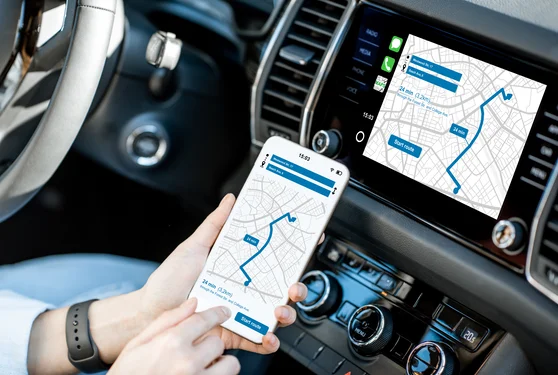

Enterprise mobility refers to the systematic enablement of business operations through mobile technologies that allow employees, partners, and customers to access enterprise systems, applications, and data through handheld devices. These solutions extend beyond mobile applications and encompass backend platforms, cloud infrastructure, data pipelines, and security frameworks.
In contemporary business environments, enterprise mobility solutions are not optional enhancements. They function as foundational systems that support operational continuity, customer engagement, and digital transformation initiatives across industries such as transportation, logistics, and shared mobility.
The Strategic Importance of Scalability
Scalability represents the capacity of a software system to accommodate increased operational demand without degradation in performance, security, or reliability. In enterprise mobility, scalability is not limited to user growth. It also includes the ability to handle rising transaction volumes, geographic expansion, fleet growth, data accumulation, and functional enhancements.
For organizations operating taxi services or car rental platforms, demand volatility is inherent. Peak travel seasons, regional events, and urban expansion can generate sudden surges in system usage. Without a scalable architecture, such surges can compromise system stability and customer trust.
Mobility Infotech as a Catalyst for Digital Mobility
Mobility Infotech specializes in the design and deployment of enterprise mobility solutions engineered for longevity, adaptability, and operational efficiency. With deep expertise in taxi company software and car rental company software, Mobility Infotech delivers platforms that support complex workflows while remaining responsive to future growth requirements.
The Evolving Enterprise Mobility Market Landscape
The enterprise mobility sector is undergoing accelerated growth driven by urbanization, smartphone penetration, and digital payment adoption. Government initiatives promoting digital infrastructure and smart transportation systems have further intensified this expansion.
According to industry assessments, the Indian mobility ecosystem is projected to exceed USD 600 billion by 2030, reflecting a substantial increase driven by shared mobility services, fleet digitization, and integrated transportation platforms [1]. This trajectory underscores the necessity for software solutions that are architected to scale in parallel with market growth.
Enterprise mobility software providers must therefore anticipate sustained demand for high-availability systems that support real-time operations, multi-city deployments, and regulatory adaptability.

Foundational Principles Behind Scalable Enterprise Mobility Design
Software firms specializing in enterprise mobility adhere to several architectural principles to ensure scalability.
- Modular System Design: Modular architecture allows individual system components, such as booking engines, payment processors, and notification services, to operate independently. This separation of concerns enables targeted scaling without requiring systemic redevelopment.
- Microservices Based Architecture: Microservices architecture decomposes applications into discrete services that communicate through standardized interfaces. This approach facilitates horizontal scaling and accelerates deployment cycles while improving fault isolation.
- Cloud Native Engineering: Cloud platforms provide elastic infrastructure capable of scaling resources dynamically based on demand. Cloud native engineering ensures that enterprise mobility systems can support traffic spikes, geographic redundancy, and rapid feature expansion.
- API Centric Development: An API first strategy ensures interoperability between mobile applications, backend services, and third party integrations. APIs support seamless ecosystem expansion and reduce integration complexity.

Technology Architecture and Infrastructure Considerations
Scalable enterprise mobility solutions depend on robust technology stacks that balance performance, resilience, and cost efficiency.
Backend systems typically employ asynchronous frameworks capable of handling high concurrency. Databases are selected based on workload characteristics, with relational databases supporting transactional integrity and distributed NoSQL systems handling real time data streams such as vehicle telemetry.
Containerization and orchestration technologies enable consistent deployments across environments. Automated scaling policies ensure resource optimization while maintaining service availability.

Scalable Enterprise Design for Taxi Company Software
Taxi company software presents unique scalability challenges due to real time operational demands.
- Intelligent Dispatch Systems: Dispatch engines must process thousands of concurrent ride requests while optimizing driver allocation. Scalable dispatch systems utilize distributed computing models to maintain responsiveness under peak loads.
- Real Time Location Tracking: Location data is continuously generated by active drivers. Scalable geo services are required to process and transmit this data with minimal latency while supporting analytics and route optimization.
- Payment and Transaction Processing: Enterprise grade taxi platforms integrate multiple payment gateways and financial institutions. Scalable transaction processing systems ensure reliability, compliance, and fraud mitigation at scale.
- Multi Tenant Platform Support: Taxi company software often supports multiple operators or franchises. Multi tenant architectures enable centralized management while preserving data isolation and performance guarantees.

Scalable Enterprise Design for Car Rental Company Software
Car rental company software emphasizes asset utilization, reservation accuracy, and customer lifecycle management.
- Fleet Lifecycle Management: Scalable systems track vehicle availability, maintenance schedules, and utilization metrics across regions. This capability supports data-driven decision-making and operational optimization.
- Reservation and Booking Engines: Reservation systems must prevent conflicts while supporting high booking concurrency. Scalable architectures ensure that inventory accuracy is maintained even during peak demand periods.
- Dynamic Pricing Engines: Pricing models incorporate variables such as demand patterns, rental duration, and vehicle category. Scalable computational frameworks enable real time pricing adjustments without system latency.
- Customer Experience Platforms: Enterprise mobility solutions integrate customer portals, loyalty programs, and CRM systems. These features require scalable data pipelines to deliver personalized experiences consistently.

Quality Assurance, Deployment, and Lifecycle Management
Scalability is validated through rigorous testing and disciplined deployment practices.
Performance testing simulates peak loads to identify architectural constraints. Continuous integration and continuous deployment pipelines enable rapid iteration while maintaining system stability.
Deployment strategies such as phased rollouts and traffic segmentation minimize operational risk. Post deployment monitoring ensures proactive issue detection and resolution.

Security, Regulatory Compliance, and Data Governance
As enterprise mobility platforms scale, security and compliance considerations become increasingly complex.
Data encryption, identity management, and access controls are foundational requirements. Compliance with data protection frameworks and government approved digital guidelines ensures legal and operational continuity.
Enterprise mobility solutions must also implement audit mechanisms and data retention policies aligned with regulatory expectations.

Strategic Outlook on Scalable Mobility Solutions
Scalability is a strategic investment rather than a technical afterthought. Organizations that prioritize scalable enterprise mobility architectures position themselves to respond effectively to market volatility, regulatory change, and technological evolution.
Mobility Infotech continues to enable enterprises with mobility solutions that are resilient, adaptable, and aligned with long term business objectives.
Key Takeaways in Brief
- Enterprise mobility solutions form the operational backbone of modern transportation businesses.
- Scalability ensures consistent performance amid user growth, geographic expansion, and transaction volume increases.
- The Indian mobility market is projected to exceed USD 600 billion by 2030, reinforcing the need for future-ready platforms [1].
- Modular architecture, cloud native infrastructure, and API driven development are critical to scalable design.
- Taxi company software requires real-time dispatch, location intelligence, and transaction scalability.
- Car rental company software depends on scalable reservation systems, fleet management, and pricing engines.
- Security, compliance, and lifecycle management are integral to sustainable scalability.
References
- Indian mobility industry projected to exceed USD 600 billion by 2030, according to an IANS industry assessment reported via Newsnation
- Enterprise mobility architecture and scalability best practices, WeblineIndia enterprise mobility documentation. WeblineIndia
Join 6,000+ marketers and subscribe to our weekly newsletter for exclusive social media news, tips and insights you need to boost results.