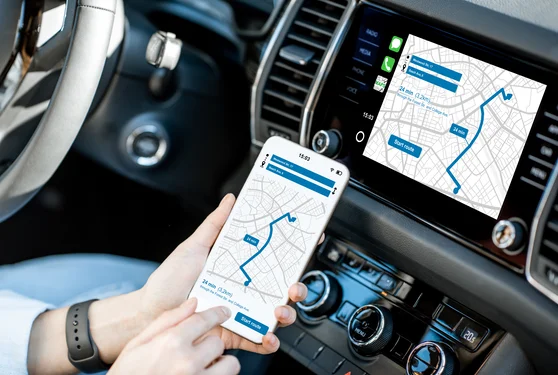
The taxi-hailing app industry is growing rapidly, and businesses are constantly seeking new ways to tap into this lucrative market. Whether you're a startup or an established transport company in the USA, developing a taxi app like Uber or Ola or even building a completely custom solution can help you cater to modern commuters efficiently. However, one of the first questions that comes to mind is: how do you choose the right platform and development approach?
This blog breaks down the pricing dynamics of developing various types of taxi apps—specifically Uber clones, Ola clones, and fully customized solutions so you can make an informed decision based on your business goals. Let’s explore the features, comparative analysis, and factors that influence taxi app development in today’s market.
Understanding the Types of Taxi App Development Solutions
Before diving into specifics, it’s essential to understand the three main categories of taxi app development:
1. Uber Clone Apps: These are pre-built, ready-to-launch applications modeled after Uber. They typically come with core features like real-time GPS tracking, driver-passenger matching, in-app payments, and rating systems.
2. Ola Clone Apps: Similar to Uber clones, Ola clones offer pre-built solutions with slight variations in design and features, often targeted at regional audiences or business models.
3. Custom Taxi Apps: These are built from scratch based on your unique business requirements. Custom apps offer high flexibility, custom design, tailored features, and scalable architecture.

Cost Breakdown: Uber Clone App Development
Uber clone apps are often preferred by startups due to their speed of deployment and tested feature sets. They offer pre-built back end infrastructure and front-end UI that mimic Uber’s core functionalities. The cost of these apps generally includes basic features like:
- User registration & authentication
- Trip booking & ride tracking
- Fare calculation
- Push notifications
- Driver management
Customization of these apps can lead to variations in price depending on the number of new features and branding elements added. However, Uber clones typically require less development time, which can be advantageous for businesses looking to launch quickly.

Cost Breakdown: Ola Clone App Development
Ola clone apps are another popular choice, especially for businesses looking to replicate the regional success of Ola in markets like India and expanding globally. These apps may emphasize affordability and high passenger engagement, integrating features such as:
- Wallet integration
- Emergency/SOS buttons
- Ride scheduling
- Admin dashboard
Ola clones can be adapted for specific geographical markets with multilingual support and regional UI customizations. This allows businesses to tap into local markets efficiently while still utilizing a proven framework.

Cost Breakdown: Custom Taxi App Development
Custom app development is suitable for businesses with specific visions that are not entirely met by clone apps. If your taxi service offers unique features such as carpooling, electric vehicle tracking, or enterprise ride solutions, then a custom approach is ideal. These apps are built from scratch using modern technology stacks, often requiring:
- UX/UI design tailored to your brand
- Backend development with custom logic
- Integration with third-party APIs
- Advanced analytics & reporting features
Though custom apps take more time to build and involve a more detailed development cycle, they offer long-term benefits such as better scalability, personalized user experience, and full control over the platform.

Key Factors Influencing Development Costs
While the three types of apps discussed above provide a broad view, several other factors significantly influence the total development investment:
1. Feature Set: More features mean more development time. A basic app will cost less than an advanced app with AI-based route optimization or dynamic pricing algorithms.
2. Platform: Native apps for Android and iOS may require separate development efforts, while hybrid apps can target both platforms simultaneously.
3. UI/UX Design: A polished, user-centric design improves engagement but requires expert input and more resources.
4. Third-Party Integrations: Payment gateways, SMS gateways, map APIs, and other tools incur additional development and maintenance efforts.
5. Maintenance & Updates: Post-launch support, server management, and regular updates contribute to ongoing development expenditure.

Choosing the Right Development Path for Your Business
Selecting between an Uber clone, Ola clone, or custom solution depends largely on your business goals, timeline, and long-term vision:
- Choose a clone app if you want a quick launch with a limited budget.
- Opt for a custom app if innovation, scalability, and brand uniqueness are your top priorities.
Understanding your user base, local competition, and operational scope can help you decide which solution aligns best with your needs. It’s also vital to work with a reliable development partner like Mobility Infotech, which specializes in helping transport businesses across the U.S. develop impactful, scalable digital platforms.
Real-World Use Cases & Business Scenarios
Let’s examine how each approach might fit into real-world business situations:
- Uber Clone for Local Startups: A rideshare startup in a small U.S. town wants to test the market with a basic taxi app. An Uber clone is ideal for launching in under 30 days with low upfront investment.
- Ola Clone for Regional Aggregators: A transport aggregator expanding across tier-2 cities might choose an Ola clone for its wallet integration and multi-language support to engage local users better.
- Custom Solution for Corporate Transport: A company offering employee transportation services with EVs and schedule-based pickups would benefit from a custom-built solution with advanced route optimization and enterprise dashboards.
By analyzing your actual business needs, you can choose the most cost-effective and scalable option.

Conclusion
Taxi app development isn't a one-size-fits-all solution. Whether you choose an Uber clone, Ola clone, or a fully custom-built app, your choice should be guided by your operational goals, user needs, and growth trajectory. Clone apps are fast and affordable for launching in a competitive market, while custom solutions unlock long-term innovation and brand differentiation.
Choosing the right development strategy ensures that your investment results in a scalable, efficient, and user-friendly application that can grow with your business.
Summary
In today’s highly competitive mobility market, having a taxi booking app is no longer optional, it's essential. With platforms like Uber and Ola setting high standards in terms of usability, convenience, and performance, new entrants must carefully consider their approach to app development.
This blog outlined three major types of taxi app development solutions:
- Uber Clones: Ideal for businesses looking to launch quickly with a standard set of features that work right out of the box.
- Ola Clones: Offer similar functionality with a regional flavor and slightly different user experiences, perfect for localization.
- Custom Solutions: Tailored to specific business models, offering unparalleled flexibility, future-proof scalability, and the potential for significant innovation.
Instead of focusing on exact pricing figures—which vary based on a multitude of factors such as development team location, feature depth, and technologies used—we emphasized what truly matters: strategic alignment with your business goals.
By understanding what each development path offers, businesses in the U.S. can make smarter, long-term decisions that not only optimize initial investments but also ensure adaptability in a fast-changing market. Mobility Infotech is equipped to help you evaluate, plan, and execute the best development path to take your taxi business to the next level.
Join 6,000+ marketers and subscribe to our weekly newsletter for exclusive social media news, tips and insights you need to boost results.

Phil Sanders
Phil Sanders is a digital marketer, content writer, and entrepreneur helping brands grow through strategy, storytelling, and authentic connection.