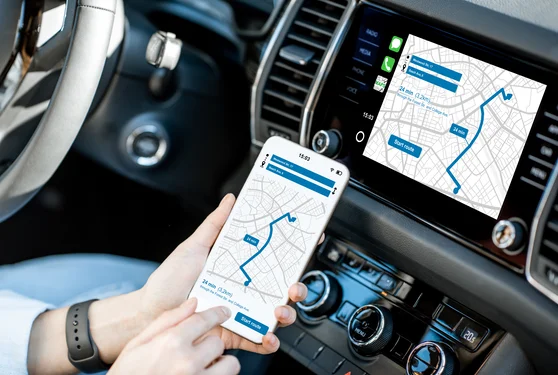
The urban landscape is constantly evolving, and at its core, the demand for efficient, reliable, and swift transportation remains paramount. For taxi and ride-hailing businesses, staying competitive in 2025 means more than just a fleet of vehicles; it necessitates leveraging cutting-edge technology. The heartbeat of a modern, successful operation is its taxi dispatch software. This isn't merely a tool for assigning rides; it's a comprehensive ecosystem designed to optimize every facet of the business, from customer booking to driver management, real-time tracking, and intricate financial reporting.
Choosing the right taxi dispatch software can be a game-changer determining operational efficiency, customer satisfaction, and ultimately, profitability. With myriad solutions populating the market, each promising unparalleled features and seamless functionality, the decision can be overwhelming. This blog aims to demystify the selection process by offering a detailed look at what to consider in 2025, delving into the critical aspects of features, pricing, and the underlying details that define a truly effective system. Mobility Infotech, as a renowned developer in this space, understands these intricacies and strives to empower businesses with solutions built for the future.
The Evolving Landscape of Taxi Dispatch Technology
The taxi dispatch system of today is a far cry from its predecessors. Gone are the days of manual dispatch boards and crackling radio communications. 2025 demands intelligent, automated, and interconnected solutions. The evolution has been driven by several factors: increased consumer expectations for on-demand services, the proliferation of smartphones, the rise of ride-sharing giants, and the continuous advancement of AI and data analytics.
Modern taxi dispatch software is now expected to offer seamless integration across multiple platforms – web, iOS, and Android applications for both passengers and drivers – alongside a powerful administrative dashboard. It's about creating an intuitive user experience for all stakeholders while providing robust backend tools for fleet managers to optimize operations down to the last mile.

Key Features to Look for in 2025
When evaluating a taxi dispatch software solution in 2025, a robust feature set is non-negotiable. Here are the core functionalities that a leading system should offer:
- Customer Booking App:
- Intuitive interface for quick bookings.
- Real-time vehicle tracking on a map.
- Estimated time of arrival (ETA) and fare estimation.
- Multiple payment options (in-app, cash, card).
- Ride history and favorite locations.
- Ratings and feedback system for drivers.
- Driver App:
- Easy login and status management (online/offline).
- Accept/reject ride requests.
- Optimized routing and navigation integration (Google Maps, Waze).
- Earning reports and daily summaries.
- In-app communication with passengers/dispatch.
- Emergency assistance button.
- Admin/Dispatcher Panel:
- Real-time map view of all active vehicles and ongoing rides.
- Manual and automated dispatching capabilities.
- Fleet management (driver profiles, vehicle details, documents).
- Comprehensive reporting and analytics (trips, revenue, driver performance).
- Fare management and surge pricing configuration.
- Customer support tools (booking management, dispute resolution).
- Geo-fencing and zone management.
- Advanced Automation & AI:
- Smart dispatching algorithms for optimal assignment.
- Predictive analytics for demand forecasting.
- Dynamic pricing capabilities based on demand and supply.
- Automated notifications for passengers and drivers.
- Security & Compliance:
- Robust data encryption and privacy protocols.
- Secure payment gateway integrations.
- Compliance with local transportation regulations and data protection laws.
Mobility Infotech's taxi software solutions are developed with these cutting-edge features as standard, ensuring clients receive a future-proof system.

Understanding Pricing Models: What to Expect
Pricing for taxi dispatching software can vary significantly based on features, scalability, and the provider's business model. Understanding these models is crucial for budget planning and avoiding hidden costs.
- Subscription-Based (SaaS): This is the most common model.
- Per-Vehicle/Per-Driver: A monthly fee per active vehicle or registered driver. This scales with your fleet size.
- Tiered Plans: Different feature sets are offered at varying monthly price points (e.g., Basic, Standard, Premium).
- Transaction-Based: A small percentage or fixed fee per booking. This model can be attractive for smaller operations but might become costly for high-volume businesses.
- One-Time License Fee: Less common for cloud-based solutions but can apply to on-premise deployments. This involves a large upfront cost, often with annual maintenance fees.
- Custom Development: For highly specific requirements, some providers offer custom-built solutions. This involves significant upfront investment and development time but results in a perfectly tailored taxi dispatch system.
Factors Influencing Price:
- Number of Features: More advanced features (AI, analytics, custom integrations) generally mean higher costs.
- Fleet Size: Pricing often scales with the number of vehicles or active drivers.
- Support Level: Premium support, dedicated account managers, and faster response times can add to the cost.
- Customization: Any specific modifications beyond standard configurations will incur additional charges.
When evaluating pricing, always request a detailed breakdown, understand what's included in each tier, and inquire about any potential hidden fees for upgrades, support, or additional modules.

Beyond Features and Pricing: Critical Details to Scrutinize
Beyond the obvious features and pricing, several underlying details contribute to the long-term success and user experience of taxi dispatch software.
- Scalability: Can the system grow with your business? A solution that works for 10 cars might not handle 100 or 1000 without performance issues. Look for cloud-native solutions designed for scalability.
- Integration Capabilities: Does the software offer open APIs or pre-built integrations with popular third-party tools like payment gateways, accounting software, CRM systems, or telematics providers? Seamless integration prevents data silos and streamlines workflows.
- Customization vs. Configuration: Understand the difference. Configuration allows you to set parameters within existing features (e.g., fare rules, dispatch zones). Customization involves modifying the core code for unique requirements. The latter is more expensive and can impact future updates.
- Technology Stack & Future-Proofing: While technical, understanding the underlying technology can hint at the software's longevity and adaptability. A provider committed to continuous development will offer regular updates and new features, ensuring your system remains competitive.
- Vendor Reputation & Support: Research the provider's track record. What do other clients say about their support, reliability, and responsiveness? Mobility Infotech, for instance, prides itself on a robust support system, understanding that reliable assistance is crucial for uninterrupted operations.
- Data Ownership & Portability: Clearly understand who owns the data generated by your operations and how easily you can export it should you decide to switch providers in the future.

Why Reviews Matter: Real-World Insights
While brochures and sales demos paint an ideal picture, real-world user reviews offer invaluable insights into the practical strengths and weaknesses of a taxi dispatch system.
- User Experience: Reviews often highlight aspects of usability for drivers, dispatchers, and passengers – an area sometimes overlooked in feature lists.
- Reliability & Bugginess: Consistent complaints about crashes, bugs, or downtime are red flags. Conversely, praise for stability indicates a robust system.
- Customer Support Quality: Reviews frequently detail experiences with technical support – response times, helpfulness, and resolution rates.
- Implementation & Onboarding: Users often share their experiences with the setup process, training, and how quickly their team adapted to the new taxi software.
- Specific Pain Points: Reviews can reveal common challenges or limitations that might not be apparent during a demo.
Look for reviews on independent software review sites (e.g., Capterra, G2, Software Advice), industry forums, and case studies directly from the vendor. Pay attention to both positive and negative feedback, looking for recurring themes and how the vendor responds to criticism.

The Mobility Infotech Advantage: A Partner in Growth
At Mobility Infotech, we understand that selecting a taxi dispatch software is a strategic business decision. Our solutions are not just about providing technology; they are about fostering long-term partnerships that drive growth and operational excellence. We focus on:
- Comprehensive Feature Set: Our online taxi dispatch system is packed with cutting-edge features designed to cater to every aspect of modern taxi and ride-hailing operations, from seamless passenger booking to intelligent dispatching and robust analytics.
- Scalability & Flexibility: Built on a robust, cloud-native architecture, our taxi software effortlessly scales with your business, whether you operate a small fleet or manage a large-scale enterprise. Our flexible configurations allow for adaptation to diverse operational models.
- Dedicated Support: We pride ourselves on offering proactive and responsive support. Our team understands the critical nature of uninterrupted service and is committed to ensuring your operations run smoothly 24/7.
- User-Centric Design: Every interface, from the driver app to the dispatcher panel, is crafted for intuitive usability, minimizing training time and maximizing efficiency for your team.
- Continuous Innovation: As a leading developer, Mobility Infotech is committed to continuous research and development, ensuring our taxi dispatching software remains at the forefront of technological advancements, providing you with competitive advantages.
Our commitment is to deliver a taxi dispatch system that not only meets but exceeds expectations, empowering your business to thrive in a competitive market.

Conclusion: Making an Informed Decision
Choosing the ideal taxi dispatch software in 2025 is a critical investment that can define the future trajectory of your transportation business. It requires a meticulous evaluation of features, a clear understanding of pricing models, and a deep dive into the operational details that underpin a truly robust solution. Beyond the technical specifications, the reputation of the vendor and the quality of their support are paramount.
By leveraging insights from real-world reviews and prioritizing key aspects like scalability, integration capabilities, and user-friendliness, businesses can make an informed decision that leads to enhanced efficiency, improved customer satisfaction, and sustainable growth. The right online taxi dispatch system is not just a purchase; it's a strategic partnership that powers your journey forward.

Summary of Blog
This blog provides a comprehensive guide to selecting the best taxi dispatch software in 2025, emphasizing its crucial role in modern taxi operations. It outlines essential features for customer, driver, and admin apps alongside critical aspects like automation and security. The article then breaks down common pricing models (subscription, one-time, custom) and factors influencing cost. Beyond features and pricing, it highlights crucial details such as scalability, integration capabilities, vendor reputation, and data ownership. The importance of user reviews for real-world insights is underscored. Finally, the blog positions Mobility Infotech as a trusted partner, offering a feature-rich, scalable, and well-supported taxi dispatch system for long-term business growth.
Join 6,000+ marketers and subscribe to our weekly newsletter for exclusive social media news, tips and insights you need to boost results.

Cody Elliott
Cody Elliott is a web developer crafting clean, responsive, and user-friendly websites that blend modern design with seamless functionality.