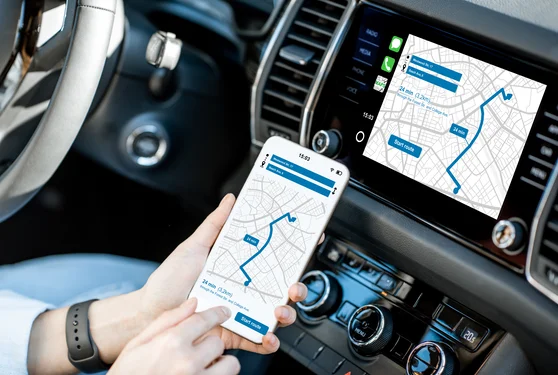
In the rapidly evolving world of transportation, the success of any taxi or ride-sharing business is no longer determined by the size of its fleet alone. It is fundamentally driven by the technology that powers its operations. From managing a handful of cars to overseeing a sprawling network of vehicles, robust taxi fleet management software is the indispensable tool that enables efficiency, profitability, and an exceptional customer experience. This guide will provide a comprehensive overview of the key components, essential features, and future trends of these critical solutions, helping you navigate the options and make an informed decision for your business.
Introduction: The Evolution of Taxi Fleet Management
The taxi industry has undergone a radical transformation, shifting from a manual, radio-based system to a sophisticated, technology-driven ecosystem. In an era dominated by on-demand services, the success of a taxi fleet no longer hinges solely on the number of vehicles or drivers. Instead, it is defined by the efficiency, speed, and intelligence of its underlying taxi fleet management software. This technological backbone is the single most critical asset for any modern transportation business aiming to thrive in a highly competitive market.
Gone are the days of operators scrambling to match calls with available taxis using spreadsheets and maps. Today’s passengers expect seamless online booking, real-time tracking, and transparent pricing, while fleet owners demand robust tools for optimizing routes, managing drivers, and analyzing performance. This comprehensive guide delves into the essential elements of top-tier software solutions, offering a detailed roadmap for businesses looking to upgrade their operations and secure a competitive edge. The right fleet management system is not just a tool; it is a strategic investment that automates operations, enhances customer experience, and drives profitability.

The Core Components of Modern Taxi Fleet Management Software
A truly effective fleet management system is an integrated platform consisting of several key components that work in harmony to automate and streamline the entire workflow. Understanding these core modules is crucial for any business evaluating new software.
- The Dispatch and Admin Panel: This is the nerve center of the entire operation. A sophisticated taxi dispatch software provides a comprehensive dashboard for operators to manage all bookings, monitor the location and status of every vehicle in real time, and handle all operational tasks. It features intelligent algorithms for automatic trip assignment, ensuring the closest and most suitable driver is dispatched to a passenger, thereby minimizing wait times and maximizing efficiency. The admin panel also serves as the central hub for managing pricing, promotions, and reporting.
- The Driver App: The driver application is the primary tool for the workforce. It provides drivers with all the necessary information, including real-time trip requests, passenger details, navigation, and earnings summaries. A well-designed driver app streamlines workflows, from accepting a ride to confirming drop-offs, and includes features like in-app messaging and SOS buttons for safety. A seamless user experience in the driver app is vital for driver satisfaction and retention.
- The Passenger App & Online Booking System: This is the public-facing component that defines the user experience. The passenger app allows customers to easily book a ride, track their assigned vehicle, communicate with the driver, and make secure payments. An integrated online booking system extends this functionality to web browsers, catering to users who prefer not to download an app. These tools are the direct interface with your customer base and are essential for building brand loyalty.
Integrated Payment Gateway: A modern system must support a variety of payment options, including credit cards, digital wallets, and cash. An integrated payment gateway automates the transaction process, ensures secure payments, and provides detailed financial reports, eliminating manual accounting and reducing the risk of human error.

Key Features to Look for in a Fleet Management System
Selecting the right software requires a careful evaluation of its features against your business needs. The best platforms offer a suite of advanced functionalities that go beyond basic dispatch.
- Real-Time Tracking and Monitoring: The ability to see every vehicle's exact location in real time is non-negotiable. Real-time tracking provides complete visibility over your fleet, allowing for immediate response to delays or issues. It also enhances security and provides passengers with accurate estimated times of arrival (ETAs).
- Advanced Dispatch and Scheduling: The software should be able to automatically and intelligently assign trips based on factors like proximity, driver availability, and traffic conditions. Advanced dispatch and scheduling features also include the ability to handle pre-bookings and multiple stops, ensuring operational fluidity.
- Comprehensive Driver Management: Effective driver management tools are critical for a compliant and efficient operation. These features include digital onboarding, performance tracking, shift management, and automated payout systems. The system should also monitor driver compliance with company policies and local regulations.
- Automated Vehicle Tracking and Maintenance: A truly comprehensive vehicle tracking software extends beyond simple location tracking. It can be integrated with telematics to monitor vehicle health, fuel consumption, and driving behavior. Predictive maintenance alerts can be generated, ensuring vehicles are serviced proactively and downtime is minimized.
Robust Reporting and Analytics: A data-driven approach is key to success. The system should generate detailed reports on key performance indicators (KPIs) such as trip volume, driver earnings, revenue streams, and customer feedback. These analytics provide invaluable insights for strategic decision-making and continuous fleet optimization.

Optimizing Operations: From Dispatch to Driver Management
An effective fleet management system transforms day-to-day operations by automating tasks that were once labor-intensive. The synergy between the dispatch system and driver app is at the heart of this optimization. When a passenger makes a booking, the system’s intelligent algorithm instantly identifies the nearest available driver. The driver receives the request on their app, which includes the passenger’s location and destination. Upon acceptance, the passenger is notified, and the driver is provided with turn-by-turn navigation. This seamless flow reduces idle time for drivers and wait times for passengers, directly contributing to a higher volume of trips and increased revenue.
Furthermore, the system’s ability to manage drivers effectively is a game-changer. By tracking driver performance, including acceptance rates, ratings, and on-time arrivals, managers can identify high performers and provide targeted training for those who need improvement. This data-centric approach to driver management fosters a culture of accountability and excellence, ultimately enhancing the service quality of the entire fleet. The platform can also automate the calculation of driver commissions and bonuses, ensuring timely and accurate payouts, which is vital for maintaining a motivated workforce.
The Power of Data: Analytics and Business Intelligence
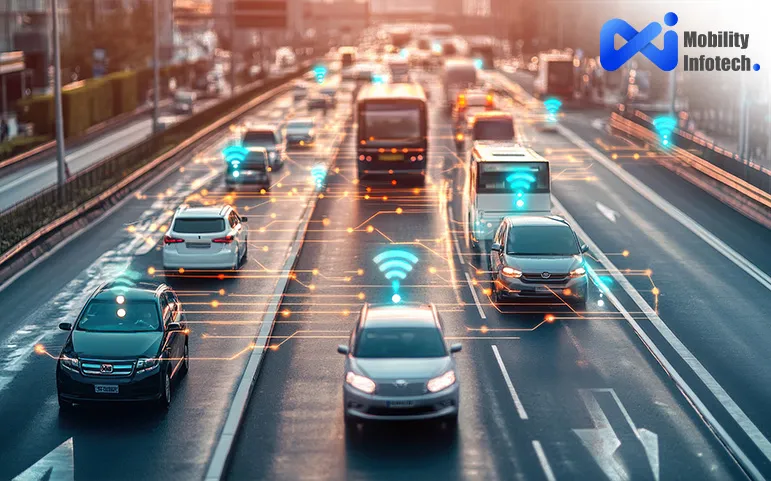
In the modern taxi industry, data is a goldmine. The top taxi operations software provides powerful analytics that turn raw data into actionable business intelligence. The admin dashboard should offer a clear overview of your fleet’s performance, with customizable reports on everything from peak usage times and popular routes to driver shift patterns and revenue per vehicle.
This analytical capability allows fleet managers to make informed decisions to increase profitability. For example, by analyzing demand patterns, you can strategically schedule more drivers during peak hours and deploy promotional campaigns in areas with high demand. You can also identify inefficiencies, such as excessive idle time or frequent detours, and address them through driver training or system adjustments. The ability to monitor driver behavior, such as speeding or hard braking, can also lead to reduced fuel consumption and lower insurance costs. In essence, the data provided by a robust system is the key to unlocking your fleet's full potential for fleet optimization.
The Future of Fleet Management: AI, IoT, and Beyond
The evolution of taxi fleet management is far from over. The next generation of software solutions is integrating cutting-edge technologies like Artificial Intelligence (AI), the Internet of Things (IoT), and machine learning to push the boundaries of efficiency and safety.
- AI for Predictive Dispatch: AI algorithms are being developed to predict demand in specific areas at certain times, allowing fleet managers to proactively position vehicles where they are most likely to be needed. This predictive capability minimizes idle time and maximizes revenue by ensuring the fleet is always in the right place at the right time.
- IoT for Proactive Vehicle Maintenance: IoT sensors in vehicles can provide real-time data on engine performance, tire pressure, and other critical metrics. This data allows the vehicle tracking software to generate automated alerts for preventative maintenance, reducing the risk of unexpected breakdowns and costly repairs.
- Enhanced Safety Features: AI-powered systems can monitor driver behavior for signs of fatigue or distraction, while IoT sensors can detect collisions and automatically alert emergency services. These features are not just about compliance but are critical for ensuring the safety of both drivers and passengers.
These technologies are not a distant dream; they are being integrated into leading platforms today, representing the next frontier in taxi operations software and cementing the role of technology as the central pillar of the industry.
Conclusion: Choosing the Right Partner for Your Fleet's Success
The choice of a fleet management system is one of the most significant decisions a taxi operator will make. The right software can be a powerful engine for growth, while the wrong one can be a costly liability. To succeed, you need a solution that is more than just a collection of features; you need a strategic partner that offers a comprehensive, scalable, and customizable platform.
The ideal partner provides a seamless, all-in-one solution that integrates all the core components—from taxi dispatch software to online booking systems—into a single, easy-to-manage platform. This allows you to focus on your core business of providing exceptional service, confident that your technology is robust, reliable, and future-proof. By selecting a system that offers advanced analytics, seamless automation, and a commitment to innovation, you are not just purchasing software—you are investing in the long-term success and sustainability of your fleet.

Summary
The modern taxi industry demands a sophisticated fleet management system to compete effectively. Top solutions integrate taxi dispatch software, passenger apps, and online booking systems to automate operations and enhance customer experience. Essential features include real-time tracking, advanced dispatch and scheduling, and comprehensive driver management. Data analytics and business intelligence are crucial for informed decision-making and fleet optimization, while the future of these platforms will be shaped by the integration of AI and IoT for predictive insights and enhanced safety. Choosing a reliable and innovative software partner is paramount to achieving efficiency, profitability, and sustained growth.
Join 6,000+ marketers and subscribe to our weekly newsletter for exclusive social media news, tips and insights you need to boost results.

Rachael Huber
I’m a web developer who doesn’t just write code—I live it. Web development isn’t just my profession; it’s my passion, my hobby, and my constant curiosity.