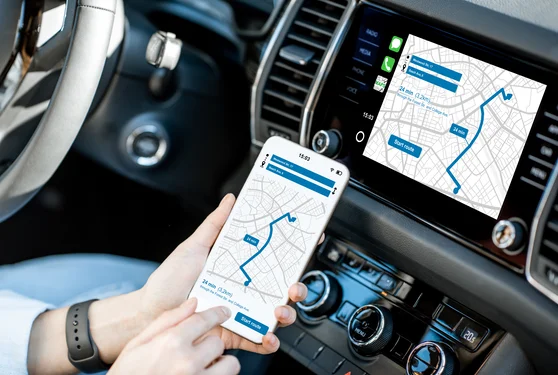

With the rise of urban mobility and a shift away from car ownership, ride-sharing apps like Uber, Lyft, Via, and Curb have become lifelines for commuting, errands, and even late-night rides home. According to a Pew Research study, more than 36% of Americans now use ride-sharing services regularly.
But convenience comes with a cost—literally. While ride-sharing provides flexible transport options, the expenses add up quickly. Whether you're commuting daily, heading to the airport, or booking a ride to avoid parking nightmares at events, knowing how to reduce your fare is more important than ever.
This blog by Mobility Infotech, a leader in mobility solutions and integrations, explores five practical and effective ways to save money on ride-sharing apps in the U.S.—plus some bonus insights for business users and frequent travelers.
Why Are Ride-Sharing Costs Rising in the U.S.?
The post-pandemic mobility market has shifted dramatically. Let’s break down what’s causing ride-share prices to surge across U.S. cities.
Key Cost Drivers:
- Driver Shortages: Many drivers left the platforms during COVID-19 and have not returned, causing demand to outweigh supply.
- Fuel Prices: Fluctuating fuel prices directly impact ride fares, especially in cities with longer travel distances.
- Surge Pricing Algorithms: Uber and Lyft use real-time pricing based on demand. More riders = higher costs.
- Insurance & Regulations: Increased liability coverage and compliance with local laws push operational costs higher.
Average Cost Per Mile (as of 2024):
- UberX: $1.10 – $2.75/mile
- Lyft Standard: $1.00 – $2.60/mile
- Taxis (via Curb): $2.50 base + $0.35 every 1/5 mile
3. Tip 1: Use Promo Codes Strategically
Promo codes are often overlooked after the first ride, but savvy users know how to use them regularly.
How to Maximize Promo Codes:
- Email Alerts: Subscribe to newsletters from Uber, Lyft, and other local services. They frequently offer ride discounts, especially during holidays.
- Referral Programs: You can earn $5–$25 per referral. Many apps now offer recurring credits when your referred riders keep using the app.
- Partner Offers: Banks like Chase, Capital One, and Amex often offer ride-share discounts through their apps or cards. Google Pay and Apple Pay also sometimes have promotional tie-ins.
- Student Discounts: Many universities partner with apps to offer discount codes for students.
Avoid:
- Using expired codes.
- Inputting third-party codes from suspicious websites.
Pro Tip: Keep a running list of unused promo codes and check apps like RetailMeNot, Honey, or SlickDeals for legitimate offers.
4. Tip 2: Ride Smart – Avoid Surge Pricing
One of the biggest contributors to inflated ride-share prices is surge pricing—but it’s avoidable.
When Does Surge Pricing Happen Most?
- Morning Commute: 7:00 AM to 9:00 AM
- Evening Rush: 5:00 PM to 7:30 PM
- Late Weekend Nights: 9:00 PM to 2:00 AM
- During Events: Concerts, games, holidays
Smart Tactics:
- Use Fare Alerts: Apps like RideGuru or FareScout track price fluctuations and notify you when prices drop.
- Set Departure Notifications: Uber offers scheduled ride options that sometimes lock in non-surge fares if booked in advance.
- Wait 10 Minutes: Prices can dip dramatically after a surge wave subsides.
5. Tip 3: Always Compare Ride-Sharing Apps
Many riders default to one app, but this often leads to unnecessary overspending. Prices between apps can differ drastically for the same distance and time.
App Comparison Breakdown:
Ride-sharing apps cater to different needs. Uber is great for widespread urban and suburban access. Lyft offers loyalty rewards, ideal for casual riders. Via suits budget travelers with shared rides in select cities. Curb connects users to licensed taxis with flat fares and regulated pricing.
Tip: Use Google Maps or the Transit app to compare estimated costs for Uber, Lyft, and taxis side by side.
Developer Note: At Mobility Infotech, we help mobility providers integrate multi-app comparison modules that give users the ability to select the most cost-effective option without switching between platforms.
6. Tip 4: Leverage Ride-Sharing Subscriptions
If you ride more than 4–6 times a month, consider subscribing to ride-share memberships.
Best Subscription Programs in the U.S.:
Several ride-sharing apps offer membership programs with exclusive perks. Uber One, priced at $9.99 per month, provides 5% off rides and free delivery on Uber Eats. Lyft Pink, also at $9.99 per month, offers 15% off rides, relaxed cancellation policies, and priority pickups. ViaPass varies by city and gives members access to unlimited shared rides, making it ideal for frequent local commuters.
Example: If you spend $120 per month on Uber, 5% off saves you $6. Combine this with Uber Eats savings, and you could be saving $15–20/month or more.
Bonus for Businesses:
Many companies offer transport reimbursements or partner with Uber for Business and Lyft Business to offer employee perks. If your employer hasn’t enrolled—recommend it!
7. Tip 5: Use Alternate Pickup Locations & Shared Rides
Small Distance = Big Savings
Did you know that walking just 2–3 blocks away from a busy zone can reduce surge pricing?
For instance:
- At major events or airports, walk to a nearby drop-off zone to avoid higher pickup surcharges.
- Use shared ride options like Uber Pool or Via Shared if time isn't a factor—they’re often 30–60% cheaper than solo rides.
Pro Tip: In some cities like New York or Chicago, Via offers flat-rate shared rides as low as $2.50 for short distances during non-peak hours.

Bonus Tips for Business and Frequent Travelers
If you travel for work, attend conferences, or manage a corporate team, there are additional ways to save.
Frequent Traveler Hacks:
- Airport Shuttle Alternatives: Ride-share to a nearby train or metro station instead of riding all the way.
- Corporate Profiles: Set up a business account to receive travel receipts, policy enforcement, and monthly discounts.
- Mileage Tracking Apps: Use apps like Everlance or MileIQ to track deductible ride-share miles if you’re self-employed.
For Startups and Apps:
Mobility Infotech offers ride-hailing API integrations, allowing developers to include ride estimates, car availability, and price comparison within their own apps—enhancing functionality for customers while improving decision-making and cost-efficiency.

Conclusion: Smart Riding Is Smart Saving
Ride-sharing is convenient, efficient, and often essential—but with rising costs, using it wisely is the only way to make it sustainable. From leveraging promo codes and subscriptions to comparing apps and avoiding peak times, every small habit can lead to big savings.
For individuals, this means better budget control. For companies and developers, it’s an opportunity to integrate smart mobility tools that make ride-sharing more efficient and accessible.
At Mobility Infotech, we empower businesses and mobility platforms to build user-friendly solutions that put riders in control—financially and logistically.

Summary
Ride-sharing has revolutionized urban mobility in the U.S., but its rising costs can be burdensome if you’re not riding smart. This comprehensive guide explores the top five strategies to cut down on ride-share expenses:
- Promo Codes: Regular discounts through newsletters, referrals, and seasonal deals.
- Avoiding Surge Pricing: Ride during off-peak hours or schedule in advance.
- Comparing Apps: Don’t just stick to one—use tools to compare prices across Uber, Lyft, Via, and more.
- Subscription Plans: Save long-term with membership perks and rewards.
- Shared Rides and Smart Pickups: Small detours can lead to significant savings.
Whether you're a college student, a remote worker, a business traveler, or a mobility platform developer, these ride-saving strategies can help you stay budget-conscious while staying on the move.
Join 6,000+ marketers and subscribe to our weekly newsletter for exclusive social media news, tips and insights you need to boost results.