The global ride-hailing market is projected to reach over $185 billion, showing that the demand for convenient, on-demand transport is far from slowing down. For entrepreneurs and mobility operators looking to carve out their own space—be it in a local city or across an entire region—starting from scratch can be slow, expensive, and risky. The smart path often involves utilizing an existing, proven model: the Uber clone script.
But a successful ride-hailing platform isn't just a copy; it's an enhancement. It requires a robust, scalable technical foundation equipped with cutting-edge features tailored for efficiency, user experience, and market dominance. Building a successful 'Uber for X' service demands a deep understanding of the technological components that drive reliability and profit.
At Mobility Infotech, we specialize in delivering customized, intelligent ride-hailing software solutions. We know exactly which features translate into operational success. Below, we break down the most essential, non-negotiable components that must be integrated into any comprehensive Uber clone script aiming to achieve leadership in the competitive mobility sector.
The Foundation: Multi-Platform User Interfaces (Apps)
A successful ride-hailing system is judged by its accessibility. Your platform must cater to every user segment effectively, starting with intuitive, fast, and stable mobile applications.
Passenger App: Convenience and Simplicity
This app must be frictionless. Users should be able to book a ride in three taps or less. Key features include:
- Instant Booking: Quick selection of pick-up and drop-off points using location services.
- Ride Options: Clear display of different vehicle types (e.g., Sedan, SUV, Premium) with estimated fares and arrival times.
- Schedule a Ride: The ability to pre-book rides days or hours in advance, a crucial feature for airport transfers and professional users.
- In-App Chat/Call: A secure communication channel between the rider and the assigned driver without revealing personal phone numbers.
- Fare Estimation: Transparent, instant fare calculation before booking confirmation.
Driver App: Efficiency and Usability
The driver app is a professional tool designed to maximize productivity and earnings. It must be non-distracting and highly reliable, even under poor network conditions.
- Accept/Reject Screen: A clear interface displaying trip distance, estimated earnings, and destination before the driver accepts the ride (a major feature requested by drivers).
- In-App Navigation: Integrated, turn-by-turn GPS navigation that uses the most up-to-date traffic data.
- Earning History: Comprehensive ledger of past trips, earnings, and bonuses.
- Online/Offline Status: Easy toggling of availability to manage working hours.

The Engine: Intelligent Dispatch and Assignment System
This is the core differentiator between a basic taxi system and an advanced intelligent ride-hailing software. A manual or simple proximity-based dispatch fails quickly when scaling.
Smart Matching Logic
The system shouldn't just match the nearest driver; it should match the best driver. The logic must consider:
- Minimal Dead Mileage: Prioritizing drivers who are close and whose current location minimizes their travel time to the pick-up point unpaid.
- Demand Heatmaps: Dynamically adjusting dispatch zones based on real-time and predictive demand spikes (e.g., matching a driver heading into a high-demand area with a pick-up en route).
- Driver Rating/Service Class: Ensuring premium or specialized rides (like accessibility services) are matched with appropriately rated and equipped drivers.
Queue Management
In high-traffic areas like airport queues or designated taxi stands, the dispatch must manage drivers fairly on a "first-in, first-out" basis, preventing drivers from cutting the queue—a feature vital for driver satisfaction and retention.

The Backbone: Advanced Real-Time Mapping and GPS Tracking
Accurate location data is paramount for safety, efficiency, and accurate fare calculation. The reliance on standard GPS APIs must be augmented with proprietary optimization.
Real-Time Tracking (RTT)
- Continuous Location Updates: Providing both the passenger and the admin panel with live, second-by-second updates on the driver's location.
- Geofencing: Defining operational boundaries, surge pricing zones, and restricted areas. Geofencing is also crucial for validating that drivers are within the correct zone when accepting a queue-based trip (e.g., at an airport).
Dynamic Routing and Traffic Integration
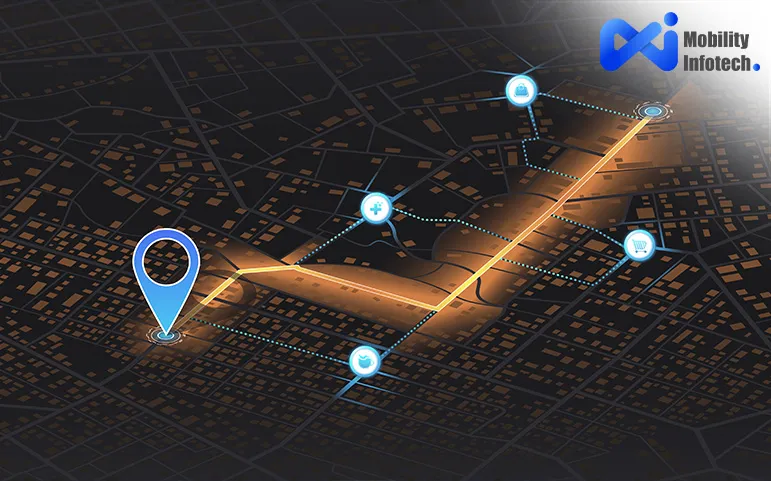
The system must integrate deeply with sophisticated mapping services to instantly recalibrate routes based on accidents, road closures, or unexpected congestion. This not only reduces trip time but directly influences the fairness of estimated time of arrival (ETA) calculations.
Financial Intelligence: Secure, Multi-Faceted Payment Gateway
Cashless, transparent transactions are an expected convenience. The system must support a variety of global and local payment methods securely.
Multi-Payment Options
The script should support integration with major global gateways (Stripe, PayPal) and local favorites unique to your operational geography (e.g., PayTM in India, specific regional banking apps). Options must include:
- Credit/Debit Card payments.
- Digital Wallet integrations.
- In-app cash payment recording for drivers.
Transparent Billing and Fare Splits
- Dynamic Pricing (Surge): The ability to automatically implement dynamic pricing during high-demand periods, with clear notification to the passenger before booking.
- Automated Commission: Instantaneous calculation and deduction of the platform's commission upon trip completion, ensuring the driver's earnings are immediately visible and accurate.
- Receipt Generation: Automated, detailed digital receipts sent to the passenger after every ride.

Operational Command: The Admin Management Dashboard
The Admin Dashboard is the central cockpit for controlling every aspect of the platform. It requires comprehensive tools for real-time fleet management and customer service.
Fleet and Driver Management
- Verification Module: Tools for seamless onboarding, background checks, and document verification (licenses, insurance, vehicle registration).
- Status Monitoring: Real-time visualization of all active drivers, their status (online/busy/offline), and their geographical location on a single map.
- Dispute Resolution: A streamlined workflow for manually reviewing and resolving disputes related to fares, cancellations, or driver conduct.
Content and Pricing Controls
- Dynamic Fare Configuration: The ability to instantly change base fares, minimum fares, pricing per kilometer, and time-based waiting charges across different vehicle types and cities.
- Promo Code/Offer Management: Tools to create and manage marketing campaigns, referral programs, and discount codes to drive customer acquisition.
The Driver’s Toolkit: Performance and Earnings Management
Driver satisfaction is key to maintaining fleet supply. The system must be designed to empower drivers, not just manage them.
Incentive and Bonus Logic
Advanced driver scheduling and dispatch software includes logic to automatically calculate bonuses for drivers who complete a certain number of rides, drive during specific hours, or maintain high ratings. This gamification boosts engagement.
Tax and Regulatory Compliance
The driver app should offer easy-to-download reports detailing gross earnings, commissions paid, and necessary tax data, simplifying end-of-year filings for the drivers and ensuring platform compliance with local tax laws.

Customer Loyalty: Review, Rating, and Feedback Modules
Feedback is vital for quality control and building a positive community.
Two-Way Rating System
Both the driver and the passenger must be able to rate each other immediately after the ride. This encourages accountability and helps filter out problematic users or low-performing drivers.
Automated Action Triggers
The system should automatically flag or temporarily deactivate drivers whose ratings fall below a set threshold (e.g., 4.5 stars) and send automated notifications to passengers who receive consistently poor ratings.
Safety and Compliance: Emergency and Security Features
Safety is the single most important factor for trust. These features build credibility and ensure regulatory adherence.
SOS/Panic Button
A prominent, easy-to-access in-app feature for both drivers and passengers that instantly connects them to local emergency services or a dedicated 24/7 platform support line. The feature should simultaneously alert the Admin Dashboard with the live GPS location.
Ride Sharing and Tracking
Passengers must have the option to share their live trip status, map, ETA, and driver details with trusted contacts outside the app for added security.
Strategic Growth: Analytics and Reporting Suite
A successful comprehensive Uber clone script is data-driven. The Admin Dashboard requires a powerful reporting suite for strategic decision-making.
Key Performance Indicators (KPIs)
- Revenue Reports: Tracking daily, weekly, and monthly net revenue, gross bookings, and commissions.
- Operational Efficiency: Metrics like acceptance rates, cancellation rates, average waiting time, and dead mileage percentage.
- Customer Metrics: Tracking customer lifetime value (CLV), retention rates, and surge utilization data.
Predictive Analytics
The system should offer basic predictive models. For instance, forecasting driver supply needs for the upcoming week based on historical demand patterns and known city events. This allows proactive driver scheduling and dispatch software management.

Conclusion
A bare-bones Uber clone script might get you a simple booking engine, but it won't sustain a profitable business in a competitive market. Success in modern ride-hailing is dictated by intelligent automation, robust safety features, and a scalable architecture.
By prioritizing these key components—from the core intelligent dispatch and advanced mapping to secure payment systems and comprehensive analytics—you ensure your platform is positioned not just to replicate a business model, but to dominate your local mobility landscape. Investing in a truly intelligent ride-hailing software solution is the foundation upon which your success will be built.
Summary
A successful ride-hailing platform requires a comprehensive Uber clone script built with nine non-negotiable components. These include stable, feature-rich multi-platform apps for drivers and riders, and a highly intelligent dispatch and assignment system that minimizes dead mileage. Crucial operational features involve advanced real-time GPS tracking for accurate ETAs and a secure payment gateway supporting dynamic pricing and automated commission splits. The centralized Admin Dashboard provides full control over the fleet and marketing campaigns. Finally, integrated safety features (SOS buttons) and a strong analytics suite are necessary for strategic growth and regulatory compliance, making the software solution truly scalable and competitive.
Join 6,000+ marketers and subscribe to our weekly newsletter for exclusive social media news, tips and insights you need to boost results.

Rachael Huber
I’m a web developer who doesn’t just write code—I live it. Web development isn’t just my profession; it’s my passion, my hobby, and my constant curiosity.