
A Road Map to Successful Bike Rental App Development
 Mobility Infotech
 December 20, 2024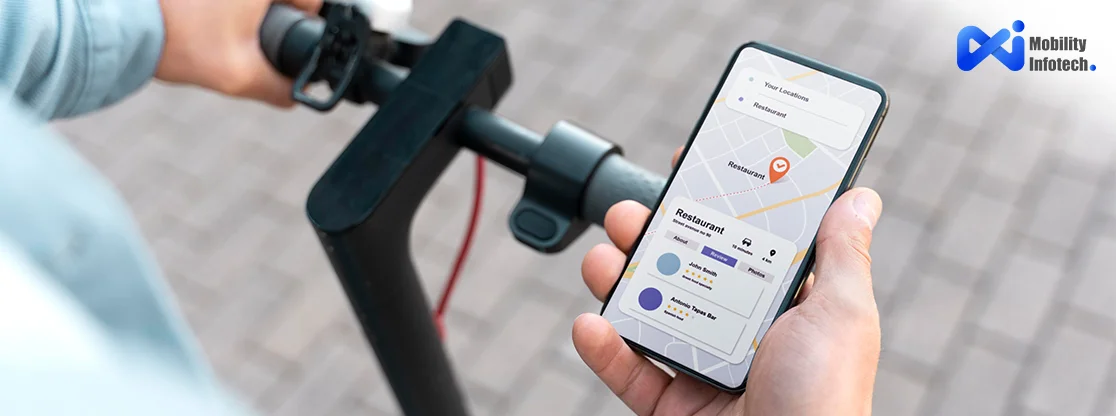
In recent years, the bike rental industry has witnessed tremendous growth due to a growing need for convenience and sustainability in transportation. Bike rentals are a practical solution for short-distance travel as urban areas become more congested. To benefit from this trend, you need to develop a solid bike rental app. This blog acts as the complete roadmap for building a successful bike rental app, explaining the must-have features, development process, and best practices to gain a competitive edge in the market.
Understanding the Market
Before starting to develop the bike rental market, one needs to know the background of the market. As you research competitors, identify target audiences, and analyze market trends, you’ll gain insights into what your app should look like and what it should offer. Bike rental is a diverse industry that offers casual rentals for tourists and long-term rentals for residents. Knowing these segments will guide you in creating an app geared toward their needs.
Bike Rental Booking Software – Essential Features
To create a successful bike rental booking software, certain features are indispensable:
1. User Registration and Profile Management
User retention is dependent on a seamless registration process. Enable users to register using their email or social media accounts. Once they are registered, users should be able to access their profiles to manage personal information, view rental history, and save favorite bikes.
2. Smart Search Functionality
A smart search feature allows users to quickly search for bikes based on their preferences, e.g., type (mountain, road, electric), location, or availability. This functionality makes the booking process efficient and improves the user experience.
3. Online Real Time Availability and Booking
Users should be able to instantly see the real-time availability of bikes around them and book without much waiting or requirements. With a calendar feature, it becomes easy for users to select rental dates.
4. In-App Payment Integration
Integrating multiple payment options, like credit/debit cards, digital wallets, and net banking, is necessary to facilitate the smooth transaction. This flexibility allows users to choose their payment means without any fuss.
5. GPS Tracking
With GPS tracking, users can easily find nearby bikes and get real-time updates about the condition of their ride. It also adds a security layer by allowing users to see their rented bikes.
6. Rental Cost Calculator
A rental cost calculator allows users to estimate the cost of their rental based on duration and bike type. Transparency creates trust and helps users know how much money to spend.
7. Review and Rating System
To encourage community engagement and uphold service quality, it’s a good idea to encourage users to write reviews and ratings after their rentals. New customers can also be attracted with positive feedback.
8. Push Notifications
Push notifications are used to keep users updated on promotions, reminders for upcoming rentals, or updates on their book. This feature makes users and increases their usage.
9. Admin Dashboard
An ideal bike rental management system must comprise an admin dashboard through which operators can manage bookings, track bike availability, monitor revenue, and analyze user data.
10. Customer Support
If the app can integrate a customer support feature, any user can easily contact for any booking or technical issues.
Development Process
Developing a bike rental app involves several key steps:
Step 1: Ideation
Starting with brainstorming ideas from market research findings. Create a definition of your app’s unique value proposition that differentiates it from any other competitors.
Step 2: Planning
Prepare a detailed project plan including the app features, timeline, budget, and resources required for the development.
Step 3: Design
Start by building an intuitive UI and UX. Before we begin development, we can visualize the app's layout using wireframes and prototypes.
Step 4: Development
If your target audience is a particular group of individuals and if your budget is limited, you can choose either native or hybrid app development. During this phase, you should work closely with developers to make sure that all the features are built correctly.
Step 5: Testing
Test the app thoroughly to find all bugs and usability issues before launching it. It is critical to get this right so that your users have the best experience from day one.
Step 6: Deployment
Once testing is done, deploy the app on relevant platforms like iOS and Android. During this process, ensure compliance with all platform guidelines.
Step 7: Marketing
Create a marketing strategy for your app that is advertised through social media channels, online advertising, and partnerships with local businesses or tourism boards.
Step 8: Maintenance and Updates
However, it’s essential to maintain the app after its launch, as it will help the app to be running smoothly. User feedback will be taken into account for regular updates and to improve functionality as well as retain customers.
Choosing the Right Development Partner
When selecting a development partner for your bike rental business software, consider companies like Mobility Infotech, known for their expertise in creating custom solutions tailored to specific business needs. A reliable partner will guide you through every stage of development while ensuring that your app meets industry standards.
Conclusion
The future of transportation lies in convenient solutions like bike rentals that cater to modern urban lifestyles. By following this roadmap to successful bike rental app development—focusing on essential features, understanding the market landscape, and choosing the right development partner—you can create an innovative platform that meets user needs while driving business growth.
Investing in a well-designed bike rental management system will not only enhance customer satisfaction but also position your business as a leader in the rapidly evolving mobility sector. With careful planning and execution, your bike rental app can thrive in today’s competitive market landscape.

 Mobility Infotech
 September 18, 2026
Carpooling App Development UAE Build a BlaBlaCar Rival for Dubai Commuters
Most founders who pitch a carpooling app in Dubai have not read the rule...
Know More Mobility InfotechSeptember 18, 2026
BlaBlaCar Clone Poland: Start an Intercity Carpooling Business Step-by-Step
Here is a gap most Polish founders never notice. Bolt has around 2.3 mil...
Know More Mobility InfotechSeptember 15, 2026
Fleet Management Software Turkey: GPS, Maintenance & Driver Scoring for Istanbul Fleets
Here is a number that should worry every fleet owner in Istanbul. Averag...
Know More
Business consultant
Tell us about your vision — Taxi, Carpool, Shuttle, Airport Transfer, Car Rental, or Ride-hailing. We'll show you how fast we can get you live.