
Shuttle Service Software for Nigerian Staff Buses Running Lagos Employee Commutes on Schedule
 Mobility Infotech
 November 17, 2026
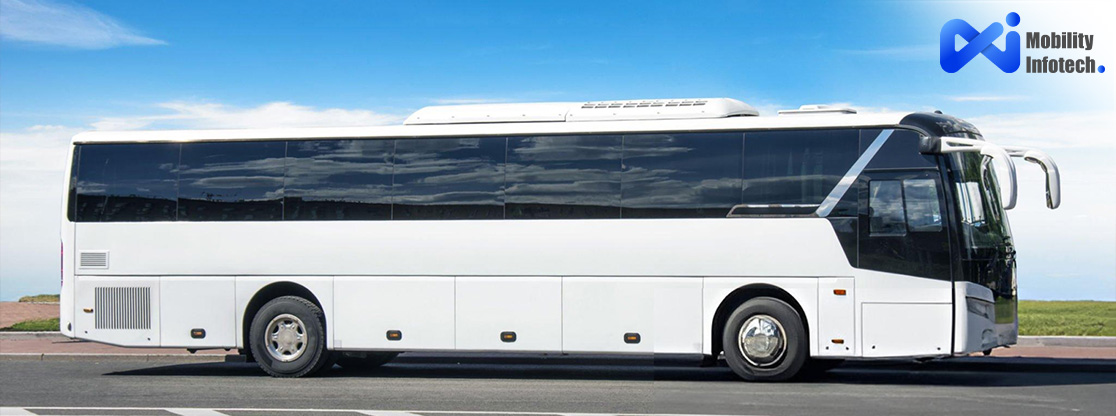
The staff bus leaves Ikorodu at 5:30 a.m. Two employees are missing at the second stop; the driver waits eight minutes, and the bus reaches Victoria Island after the shift has started. Nobody at the office knew the bus was late until people walked in.
Most Lagos companies running staff transport will recognise some version of that morning. Good shuttle service software cannot clear Third Mainland Bridge, but it can tell you where every bus is, who has boarded, and which routes keep slipping. This guide is for HR, admin, and transport managers in Nigeria who run employee buses in-house or through a vendor. It covers what to fix first, how the tools work day-to-day, and what to check before you buy.
Why Lagos Staff Buses Struggle to Run on Time
Traffic is the obvious culprit, and the numbers back it up. The 2025 Mid-Year Traffic Index by City ranked Lagos the most congested major city, with an index of 365.9 and an average one-way commute of 70 minutes. The index is built from user-contributed data, so treat it as a strong signal rather than an official count.
The state government sees the cost too. Speaking in July 2025, Sola Giwa, Special Adviser to Governor Sanwo-Olu on Transportation, said: “Lagos loses an estimated $650 million annually to traffic gridlock.” For employers, part of that loss shows up as late starts, tired staff, and overtime for drivers.
Traffic is only half the story, though. Many delays come from planning gaps: outdated pickup lists, fixed routes that ignore how staff actually live, and no live view once buses leave the depot. Proper shuttle management software targets those gaps. Mobility Infotech has built for this market before, and its Yanga Ride case study covers an app-based rideshare platform serving Lagos and its suburbs.
The Daily Problems Transport Managers Face
Ask any Lagos transport coordinator about their week and the same issues come up. These are the ones that cost the most time:
- Stale pickup lists: staff move from Ajah to Ikeja or change shifts, but the route sheet stays the same until someone complains about a missed pickup.
- No-shows at stops: drivers wait for employees who already found their own way, which pushes every later stop and delays the whole bus.
- Blind spots after departure: once a bus leaves, managers rely on phone calls to drivers to learn whether it is moving, stuck, or off route.
- Half-empty buses: some routes run at low occupancy while others are overcrowded, because nobody has seat-level data to rebalance them across the fleet.
Bus management software turns each of these into data you can act on, instead of problems you only hear about at 9 a.m.
How Software Keeps Lagos Staff Buses on Schedule
Route planning is the foundation of a reliable staff transport system. The right software helps companies organise pickups around employee locations, shift timings, and available vehicle capacity.
Routes built around shifts, not habits
Many staff bus routes in Lagos were drawn years ago and never revisited. With shuttle service software, routes, pickup points, and capacity are configured per site and per shift. Mobility Infotech’s platform supports multiple office routes, shifts and pickup points at once, with automated rostering and route optimisation.
A practical starting point is simple:
- Update every employee’s home area and shift in one clean list before you build a single route.
- Group staff into realistic clusters, such as Lekki-Ajah, Ikorodu and Ikeja, then set pickup windows that reflect actual morning traffic.
- Pilot one or two routes for a month before moving the whole fleet, so drivers and staff can adjust.
Live tracking and ETAs
Live tracking changes the morning conversation. Employees see where the bus is and when it should reach their stop. Managers see which buses are behind before staff arrives late, and can warn shift leads early.
Changing routes when the road changes
Lagos roads change fast in the rainy season, during closures, or after an accident on a major corridor. The platform can adjust routes based on traffic, demand, occupancy, and time windows, which helps drivers avoid repeating the same delay day after day.
Getting Employees to Actually Use the App
Software only works if staff use it. A clear rider app does most of the work here. Shuttle booking software lets employees reserve a seat, pick their boarding point, and track the bus in real time, so drivers know who to expect at each stop.
To drive adoption in the first weeks:
- Make seat booking the only way to guarantee a place, so staff build the habit quickly and no-shows drop over time.
- Share a one-page guide in English and, where useful, Yoruba or Pidgin, showing how to book and track a bus.
- Ask team leads to remind staff for the first two weeks, then check booking data to spot who still needs help.
Measuring What Matters Each Month
You cannot fix what you cannot see. A good bus fleet management system should give you hard numbers instead of anecdotes. Mobility Infotech’s dashboards track on-time performance, route adherence, stop dwell time, trip duration, and seat utilisation, along with SLA reporting.
Use those numbers in a short monthly review:
- On-time arrival rate per route: shows which corridors need earlier departures, extra buses, or a different pickup sequence.
- Seat utilisation: reveals routes you can merge and routes that need a bigger vehicle before overcrowding becomes a safety concern.
- Dwell time at stops: highlights pickup points where buses wait too long, often because of no-shows or poor stop locations.
If a vendor runs your buses, these same reports give you an objective basis for SLA discussions.
What to Check Before You Choose a Platform
Not every tool suits Nigerian staff transport. Before you shortlist any shuttle service software, ask these questions in the demo:
- Can routes, capacity, and schedules be set separately for each office location and each shift?
- Does the driver app show the passenger list and boarding status for every stop on the route?
- Can managers see live bus locations, delays and route deviations on one screen without calling drivers?
- Are monthly reports on punctuality and seat use ready to download for HR, finance or your transport vendor?
- Can the rider app carry your company’s own brand, so staff trust and recognise it?
- Is there a free trial so you can test one real Lagos route before committing?
Taking Back Control of the Morning Commute
You cannot remove Lagos traffic from the equation. You can stop losing time to stale routes, empty seats, and buses nobody can see. Start with clean employee data, pilot one route, and let the numbers guide the next step.
Mobility Infotech offers a white-label shuttle platform with shift-based scheduling, live tracking, seat booking, and performance reporting for workforce transport. You can start a 21-day free trial with no credit card, or book a free 60-minute discovery session to map your own Lagos routes.
References
- BusinessDay, “Lagos ranked world’s most congested city” (2025 Mid-Year Traffic Index by City). https://clone.businessday.ng/?p=1011011
- Pulse Nigeria, “Lagos State loses ₦1 trillion yearly to traffic gridlock”, 16 July 2025. https://www.pulse.ng/story/lagos-state-loses-naira1-trillion-yearly-to-traffic-gridlock-2025071607411830633
- AllAfrica, “Nigeria: Lagos Residents Lose N1trn to Traffic Gridlock Annually - Govt”, 15 July 2025. https://allafrica.com/stories/202507150426.html
- Shuttle platform features and Yanga Ride case study, mobilityinfotech.com. https://www.mobilityinfotech.com/shuttle-software
Frequently Asked Questions
Shuttle service software helps managers monitor bus locations, track pickup times, and identify delays in real time. It also supports route optimisation and shift-based scheduling, helping companies reduce unnecessary waiting, improve punctuality, and manage employee transportation more efficiently.
Yes. A shuttle management platform can configure separate routes, pickup points, vehicle capacities, and schedules for different office locations. Transport managers can coordinate morning and evening shifts, assign vehicles, and monitor multiple routes through a central dashboard.
Yes. Employees can use a rider app to view live bus locations and estimated arrival times. They can also book seats and check their assigned pickup points, reducing unnecessary waiting and helping them plan their morning commute.
The software provides seat utilisation, trip duration, and route performance data. Managers can identify underused buses, combine overlapping routes and adjust vehicle assignments. These insights help companies control fuel expenses, avoid unnecessary trips and use their existing fleet more efficiently.
Yes. Companies can provide platform access to transport vendors and their drivers while retaining visibility of daily operations. Managers can monitor bus locations, passenger attendance, punctuality, and route performance, making vendor accountability and service-level agreement (SLA) reviews easier.
 Mobility Infotech
 November 17, 2026
Shuttle Service Software for Nigerian Staff Buses Running Lagos Employee Commutes on Schedule
The staff bus leaves Ikorodu at 5:30 a.m. Two employees are missing at t...
Know More Mobility InfotechNovember 17, 2026
Uber Clone App for Nigeria Safety-First Features for Lagos and Abuja Riders
Seven in ten Nigerian ride-hailing users are women aged 25 to 34, accord...
Know More Mobility InfotechNovember 16, 2026
Uber Clone App Development in Turkey: Launching a Ride-Hailing Brand Under Istanbul’s UKOME Rules
Istanbul has one of the biggest taxi shortages in Europe, and passengers...
Know More
Business consultant
Tell us about your vision — Taxi, Carpool, Shuttle, Airport Transfer, Car Rental, or Ride-hailing. We'll show you how fast we can get you live.