
Future Trends in Taxi Management Systems for the Indian Market
 Phil Sanders
 June 26, 2025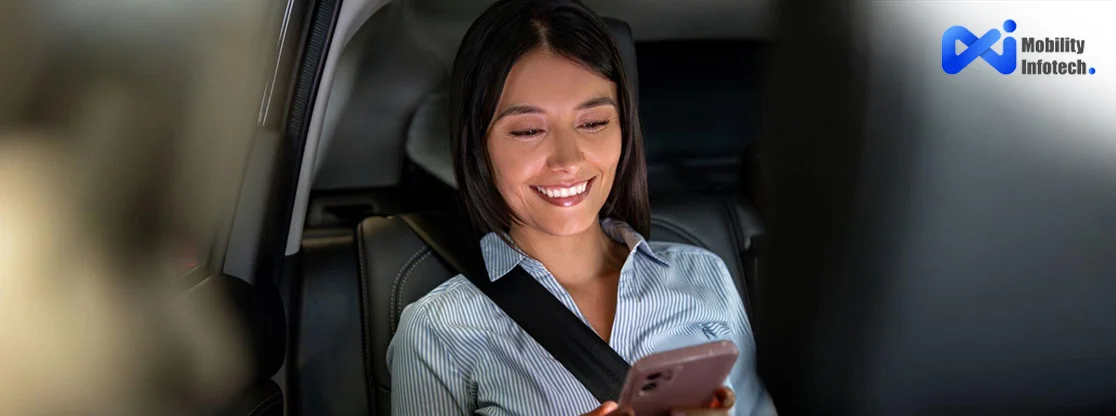
Today, you step out of your home in Delhi or Bangalore, give a tap on your phone, and within a few minutes, you get a well-maintained cab arriving, on time, safe, and trackable. This comfort is not a luxury anymore, but millions of Indians expect it. This smooth experience is made behind the transformation of the world of taxi management systems, which silently reshapes the way India commutes.
Due to the increased urbanisation, technological development, and the immense demand of safe transport, the Indian taxi management software market is experiencing a fast transformation. Whether it be AI-assisted dispatch or the use of electric vehicles, it is time to dive into the future of the taxi business in India.
The Current Landscape: Why India Needs Smarter Taxi Solutions
The urban population of India is skyrocketing. Urban centres such as Mumbai, Delhi, Hyderabad and Bangalore are facing the problem of traffic jam, pollution, and increased need of safe and reliable transport. Although aggregators such as Ola and Uber have introduced disruption into the market, there is a huge potential that smaller operators, local fleets, and corporate transport services can make use of smart taxi management software and remain competitive.
The era of manual dispatch, paper receipts, and an opaque rate is disappearing. Fleet owners, aggregators, and transport companies have discovered that real-time tracking and data-driven decision-making are the only ways to survive and develop sustainably.
A modern taxi management system comes in right there. So, what's next for India's buzzing taxi world? Let’s buckle up and find out!
1. AI & Automation: Making Taxi Operations Smarter
Artificial Intelligence (AI) is no longer a Silicon Valley specialty. Transport companies in India are gradually using AI-based taxi management software to control movement.
What’s Changing:
- Optimised routes through AI for faster pickups and drop-offs
- Traffic, weather, and local event-driven intelligent demand forecasting
- Automatic driver dispatch with lower idle time and better profits
- Customer service and booking chatbots
Fleet operators using AI can minimize operational expenses, enhance customer satisfaction, and rest assured that their taxis are right at the right place and on time.
2. Real-Time Tracking & Safety Features Become Non-Negotiable
In today’s India, safety is paramount—especially for women, children, and senior citizens. Modern taxi management systems are stepping up with advanced GPS tracking, real-time monitoring, and emergency response features.
Future Trends Include:
- Live location sharing with family & friends
- Panic buttons & SOS alerts within taxi apps
- AI-based driver behaviour analysis to prevent rash driving
- Integration with local police systems for emergency response
As Indian consumers grow more conscious of safety, taxi companies that invest in these features will naturally build greater trust.
3. Electric Vehicles (EV) Integration into Taxi Fleets
With India pushing hard towards an EV revolution, taxi services can no longer ignore sustainability. Major cities like Delhi and Mumbai are seeing increased adoption of electric cabs, driven by government incentives and rising fuel prices.
Taxi management software is evolving to support this shift with:
- EV-specific route planning considering charging station availability
- Battery health monitoring for electric taxis
- Integration with EV charging infrastructure apps
Operators that proactively embrace EVs, supported by smart management tools, will lead the future of urban mobility in India.
4. Customisable, White-Label Taxi Booking Software
While global giants dominate the app-based taxi space, there’s a massive market for regional, corporate, and niche taxi services. Enter white-label, customisable taxi booking software, allowing local businesses to launch their own branded apps with ease.
Why It’s Gaining Popularity:
- Businesses can maintain their brand identity
- Tailored features for specific markets (e.g., airport transfers, employee transport)
- Faster deployment compared to building apps from scratch
- Cost-effective for small to mid-size operators
With India’s diverse transport needs—from metros to Tier-2 cities—the flexibility of white-label solutions is a game-changer.
5. Data-Driven Decision Making: The Rise of Analytics
The future of fleet management is powered by data. Taxi management systems now offer powerful dashboards and analytics that help business owners make smarter decisions.
How Data is Driving Change:
- Identify peak demand areas and optimise fleet distribution
- Track driver performance and incentivise good behaviour
- Predict maintenance needs to reduce breakdowns
- Analyse customer feedback for service improvements
In the competitive Indian taxi space, businesses that leverage data effectively will stay ahead of the curve.
6. Seamless Payment & Digital Wallet Integration
Gone are the days of scrambling for change after a ride. Indian commuters now expect cashless, seamless payment options. Modern taxi booking software integrates popular payment methods like:
- UPI (PhonePe, Google Pay, Paytm)
- Debit/Credit Cards
- In-app wallets & subscription packages
In the future, we can expect features like split fare payments, corporate billing, and even loyalty rewards integrated into taxi apps, enhancing user experience and boosting customer retention.
7. Hyperlocal Language & Cultural Adaptation
India’s linguistic and cultural diversity cannot be ignored. Future-ready taxi management systems are already being adopted:
- Regional language interfaces within apps
- Localised marketing & offers
- Driver apps tailored to varying literacy levels
This hyperlocal approach ensures inclusivity and better adoption, especially in Tier-2 & Tier-3 cities where app-based taxi services are rapidly expanding.
Wrapping Up: The Road Ahead for Indian Taxi Businesses
The Indian transport landscape is evolving at lightning speed. For taxi operators, aggregators, and fleet owners, staying relevant means embracing intelligent, flexible, and future-ready taxi management software.
From AI-driven dispatch to EV fleet support, the technology trends reshaping the taxi industry offer immense opportunities. But businesses must act now—because the future of Indian urban mobility belongs to those who innovate.
At Mobility Infotech, we understand these trends and are committed to empowering Indian taxi businesses with a cutting-edge taxi management system and a taxi booking software designed for the Indian market.
Ready to future-proof your taxi business? Explore our tailored solutions and drive your operations towards efficiency, safety, and growth.
Because in India, the ride may be short, but the opportunity is long.

 Mobility Infotech
 September 3, 2026
Uber Clone App Development UAE: Features, Cost & Time-to-Market 2026
Investing in Uber clone app development UAE in 202...
Know More Mobility InfotechAugust 31, 2026
Lyft Clone vs Custom Taxi App Development: What UAE Startups Should Pick
Dubai moves fast. Abu Dhabi moves faster on regulation. Somewhere betwee...
Know More Mobility InfotechAugust 28, 2026
Taxi App Clone A Smart Entry Point for Nigeria's Tier-2 Cities
It is 9 PM in Enugu. A nurse leaving her shift in Independence Layout ne...
Know More
Business consultant
Tell us about your vision — Taxi, Carpool, Shuttle, Airport Transfer, Car Rental, or Ride-hailing. We'll show you how fast we can get you live.