
How Taxi Dispatch Systems Are Changing Transportation in Indonesia: Behind the Scenes
 Mobility Infotech
 May 8, 2025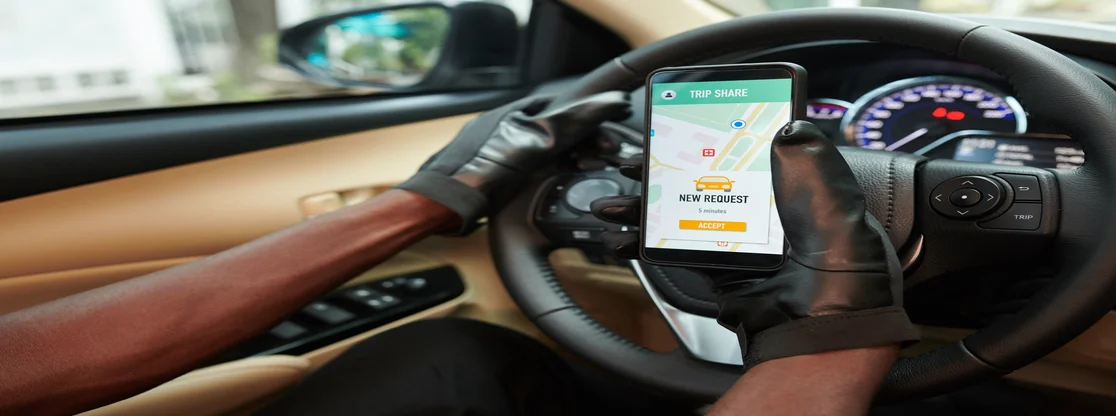
The world's economies are evolving rapidly, and so is the Indonesian. Indonesia is a diverging archipelago of over 17,000 islands, which has long struggled with transportation inefficiencies. Indonesia is a tourism economy, so the demand for fast, reliable, and affordable transportation is higher than ever, especially in popular yet congested urban centres like Jakarta, Surabaya, and Bandung. So, having a competent taxi dispatch system in Indonesia as a transport business operator is a transformational step that can pave the way for taxi businesses. These systems can easily revolutionize how cabs or taxis are dispatched, leading to efficient operations, satisfied customers, and increased profits all in one go.
The Rise of Taxi Dispatch Technology in Indonesia
From Manual Calls to Intelligent Systems
Gone are the days when calling a cab meant waving your hand for a cab to stop and explain the location where you were heading. Advanced taxi software resolves this easily in the blink of an eye. It integrated real-time GPS tracking, location fencing, AI-driven routing algorithms, and mobile integrations to match drivers with riders seamlessly in no time.
Behind the Tech: How Dispatch Systems Work
Core Components of Taxi Dispatch Platforms
Before moving further into what expectations can be had by a taxi business operator from the taxi dispatch software, let's be clear about the critical modules of the advanced taxi software included:
- Driver app with GPS and trip management
- Passenger app for booking and real-time updates
- Admin dashboard for monitoring, analytics, and reporting
- Payment gateways integrated for cashless transactions
- AI & ML algorithms for predictive dispatching
Data-Driven Optimization
What does that mean when we say advance? These platforms collect massive amounts of data. Every trip improves dispatch logic, route efficiency, and fuel cost reduction. Predictive algorithms forecast high-demand zones and traffic trends, allowing companies to dispatch smarter.
Impacts on Urban Mobility in Indonesia
Reduce Traffic Congestion
Taxi dispatch software does, with algorithmic collected available information, try to reduce every possible empty kilometre, ensuring that drivers don't cruise aimlessly. That cuts fuel consumption and alleviates traffic pressure in busy areas based on real-time situations.
Boosting Public Trust in Ride Services
With integrated advanced features in the app- real-time tracking, digital receipts, and in-app support that make users feel safer and more in control of their trip. The digitization of dispatch makes taxis more accountable, traceable, and reliable, improving public perception.
Key Players Revolutionizing Indonesia's Dispatch Ecosystem
White-Label Taxi App Providers
There are companies which now offer white-label taxi dispatch solutions in Indonesia, making it easier for local businesses and cooperatives to launch branded taxi services without building them from scratch. These platforms are easily customizable and scalable, offering everything from fleet management to driver onboarding systems. In short, it is all that a small taxi business needs to advance.
Major Tech Giants
Apps like Grab, Gojek, and Maxim are spearheading innovation. Their investment in real-time dispatch, multi-service platforms, and AI-powered customer experiences sets industry benchmarks.
Challenges Facing Dispatch System Adoption
Connectivity and Infrastructure Issues
Internet reliability and smartphone penetration are still significant issues in rural or remote parts of Indonesia. Dispatch systems rely heavily on consistent digital connectivity, making rural expansion a bigger challenge.
Resistance from Traditional Operators
Traditional taxi unions and some older or unaware operators often resist technological change as they think it is against their rights, which is a bigger challenge getting that acceptance from them. However, transitioning from legacy systems into innovative dispatch platforms requires retraining, investment, and trust-building as essential ingredients for implementation.
Regulatory and Compliance Hurdles
Indonesia's regulatory environment is evolving and becoming more liberal, but it still presents challenges. Companies must comply with these non-negotiable terms:
- Driver background checks
- Data protection laws
- Vehicle inspection protocols
Staying compliant while innovating requires legal agility and tech flexibility.
The Future of Taxi Dispatch in Indonesia
AI and Predictive Dispatching
AI is our present and definitely will be our future. Undoubtedly, the future of taxis and transportation lies in hyper-personalized dispatching, where systems automatically anticipate demand based on real-time events, weather, and even social media trends. AI is becoming and will become more compliant with resource allocation, driver shift scheduling, and dynamic pricing.
EV Integration and Sustainable Practices
EVs are surely a demand of the environment. Dispatch systems are now being designed to support electric vehicles (EVs) by integrating battery status monitoring, charging station locations, and EV-friendly routing — a critical shift for sustainability in Indonesian transport.
Multi-Modal Transportation Platforms
You can expect dispatch systems to integrate beyond taxis only. Bikes, scooters, boats, buses, and even drones may soon become part of a unified dispatch network, transforming Indonesia into a mobility ecosystem leader in Southeast Asia.
Conclusion: Embracing the Dispatch Revolution
Indonesia stands at the frontier of a transportation revolution, and taxi dispatch systems are at the heart of it. To stay competent with the users' expectations, it's a must-have for the taxi business to get competent taxi software compatible with all present and future-ready features development to stay relevant and competitive in the market. The future of Indonesia's transportation is not just mobile apps; it's more than that- it's intelligent, data-driven, and digitally dispatched systems.
Mobility Infotech, believes the future of transportation in Indonesia lies in intelligent, inclusive, and locally empowered dispatch solutions - and we're proud to be building that future, one smart ride at a time.

 Mobility Infotech
 October 21, 2026
BlaBlaCar Clone for Intercity Carpooling: Istanbul-Ankara and Sofia-Plovdiv Routes
On 17 August 2026, TCDD Taşımacılık raised its train fares by 6.45%, tak...
Know More Mobility InfotechOctober 14, 2026
White Label Taxi App vs Uber Clone: Which Should European Taxi Operators Choose?
Since 17 June 2024, every driver working through a ride-hailing platform...
Know More Mobility InfotechOctober 14, 2026
Taxi Dispatch Devices and MDTs: A Hardware Guide for UAE Fleets
Apple says iPhones and iPads are designed for use in ambient temperature...
Know More
Business consultant
Tell us about your vision — Taxi, Carpool, Shuttle, Airport Transfer, Car Rental, or Ride-hailing. We'll show you how fast we can get you live.