
Lyft Clone vs White Label Rideshare App: Which Model Fits Turkey and Bulgaria?
 Mobility Infotech
 October 30, 2026

Uber launched UberX in Sofia in December 2014 and suspended it in October 2015. In Istanbul, Turkey's Court of Cassation later upheld the ban on UberXL, leaving Uber to operate only as a taxi-hailing service. Two countries, one clear message: booking apps are welcome, unlicensed drivers are not.
That history matters if you are weighing a Lyft clone app against a white-label rideshare platform for Turkey or Bulgaria. The real question is not which app looks better. It is which business model the law actually lets you run, and which software supports that model from the first day.
What Each Model Actually Means
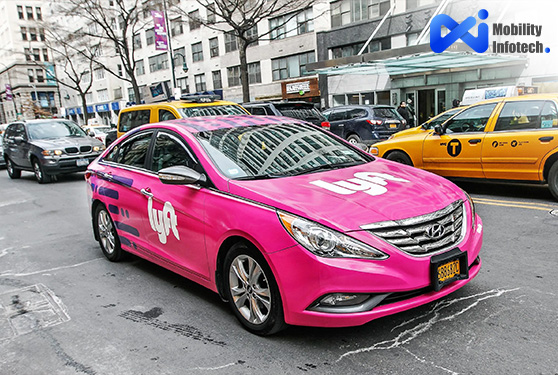
A Lyft-style clone copies an open ride-hailing marketplace. Independent drivers sign up, go online in their own cars, and accept nearby requests. The platform sets prices and takes a commission.
A white-label rideshare app is a ready-made platform you brand as your own and configure for your operation. It can run a marketplace, but it can also run a licensed taxi fleet, an airport transfer service, or a corporate shuttle. The model is set by you, not the template.
Some providers offer both. Mobility Infotech, for example, lists Lyft and Uber clone apps alongside white-label taxi dispatch software. Its platform includes a customer app, driver app, booking website, and a dispatcher panel with an admin dashboard.
Turkey: Taxi Licences Decide the Model
Uber's Turkish experience is the clearest warning for any founder. Since UberXL stopped, Uber has continued in Turkey through partners using yellow and turquoise taxis. The Court of Cassation ruled that UberXL's activities amounted to unfair competition.
So a standard Uber clone app built for private drivers would face the same problem. In Turkey, the workable path is software that connects passengers with licensed taxis and respects municipal tariffs.
What This Means in Practice
Can a private-car marketplace succeed in Istanbul today? Based on the court rulings, it would carry serious legal risk. A platform that onboards licensed taxi drivers, applies the correct fare class, and records each trip is far easier to defend.
Bulgaria: Registered Carriers Only
Bulgaria reached a similar conclusion faster. The competition regulator found that UberX had the characteristics of a taxi service while avoiding the requirements Bulgarian law sets for taxi drivers and vehicles. Parliament then amended the Road Transport Act so that taxi services may be provided only by registered carriers.
For anyone considering a Lyft clone app here, that rules out a pure peer-to-peer model. Your drivers and vehicles need to sit inside the licensed taxi system.
The Euro Switch Raised the Bar
Bulgaria's move to the euro added another layer. Taximeter suppliers warned that more than 20,000 meters needed reprogramming. Krasimir Tsvetkov, Chairman of the National Taxi Union, said on New Year's Eve: "All meters of the new model will switch automatically at midnight." Older models had to be adjusted by hand.
Any app working alongside meters must handle currency settings, receipts, and fare updates cleanly.
Where a Lyft-Style Experience Still Works
None of this means riders in Istanbul or Sofia do not want app-based convenience. They do. The trick is to keep the smooth booking experience while running it on licensed supply.
A taxi app clone configured for licensed fleets can offer:
- Instant booking, live driver tracking, and upfront fare estimates, giving passengers the same convenience they expect from global ride-hailing apps without the legal exposure.
- Driver onboarding that collects taxi licences, vehicle registration, and carrier documents before anyone goes online, so every trip uses an approved vehicle.
- Separate fare classes, day and night tariffs, and airport rates, all managed centrally so drivers never calculate prices by hand during busy shifts.
In our view, this hybrid approach is the most realistic route for new operators in both countries. It also suits existing taxi companies that want their own app instead of relying on third-party aggregators.
What to Check in the Software
Whatever you call it, the platform underneath decides whether you can stay compliant. When comparing rideshare dispatch software, test these points in a live demo:
- Document verification. Can admins block drivers until licences and vehicle papers are approved, with alerts before anything expires?
- Tariff control. Can you set different prices per city, vehicle class, and time of day, and update them centrally?
- Currency and receipts. Does the system handle Turkish lira and euros correctly, with clear digital receipts?
- Manual dispatch. Can a dispatcher assign phone, hotel, or corporate bookings alongside app requests?
- Language support. Are rider and driver apps available in Turkish, Bulgarian, and English for tourists?
If a vendor cannot show these features working, the clone label will not help you.
Choosing the Right Fit
For Turkey and Bulgaria, the deciding factor is regulation, not app design. An open marketplace model has already met legal resistance in both countries. A white-label platform running on licensed taxis keeps the convenience riders want while staying inside the rules.
If you want to test how this works before committing, Mobility Infotech offers a 21-day free trial with no credit card required. Use it to check driver verification, tariff settings, and dispatcher tools against your city's rules, then decide whether a Lyft clone app or a licensed-fleet setup suits your business.
Frequently Asked Questions
A Lyft clone app can be used for licensed taxi operations, provided it complies with local transport laws. Operators must verify driver licences, vehicle registrations, carrier requirements, and applicable fare rules before launching services in either country.
A Lyft clone typically replicates an on-demand ride-hailing marketplace, while a white-label rideshare app lets businesses launch software under their own brand. White-label platforms can support licensed taxi fleets, airport transfers, corporate transport, and other permitted services.
Taxi operators should prioritise driver document verification, vehicle management, live GPS tracking, automated dispatch, configurable tariffs, digital receipts, and multilingual apps. Support for local currencies and manual booking assignments also helps businesses manage daily operations efficiently.
Yes, depending on the platform's capabilities. Operators should confirm whether the software supports city-specific tariffs, vehicle categories, airport rates, and local currencies. Fare calculations must follow applicable regulations and work correctly alongside certified taximeters where required.
Mobility Infotech provides white-label mobility software with rider and driver apps, booking websites, and dispatch tools. Businesses can evaluate its features through a 21-day free trial without a credit card, then assess suitability for their licensed fleet operations.
 Mobility Infotech
 October 30, 2026
Lyft Clone vs White Label Rideshare App: Which Model Fits Turkey and Bulgaria?
Uber launched UberX in Sofia in December 2014 and suspended it in Octobe...
Know More Mobility InfotechOctober 30, 2026
Corporate Carpool Software with ESG Dashboards for Companies in Poland and Belgium
Belgium's latest federal commuting survey shows the car still dominates ...
Know More Mobility InfotechOctober 29, 2026
Shuttle Booking Software for Nigerian Corporates, Universities and Gated Estates
The average fare for a bus journey within a Nigerian city reached N1,431...
Know More
Business consultant
Tell us about your vision — Taxi, Carpool, Shuttle, Airport Transfer, Car Rental, or Ride-hailing. We'll show you how fast we can get you live.