
Restaurant App Development for iOS vs. Android: Which is Better?
 Rachael Huber
 July 30, 2025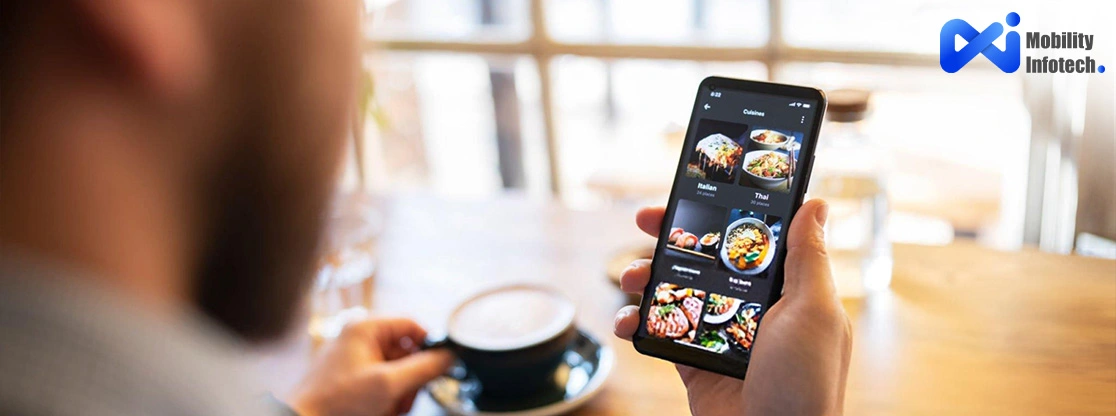
In the current competitive food industry, restaurants can no longer afford to ignore a well-designed mobile presence. Restaurant app development has been an essential ingredient to success, whether it is streamlining orders, building customer loyalty, or other ways. But then, when the restaurant owners venture into this digital era, a really important question that pops up is, should they develop their restaurant applications on iOS or Android?
It is not a black and white situation. Each platform has its unique pros and cons, and the one that will be deemed as a better option will be solely based on the type of business you have, your target market, and your budget. To facilitate your informed decision in restaurant app development, we should take a closer look at a detailed comparison of the two platforms.
Market Share and Reach Audience
Android has clearly dominated the entire world when it comes to market share. Android has more than 70 percent of the global mobile operating system market share, and it provides a wider scope, particularly in the developing economies and among the diverse population. But in case your restaurant is focused on targeting the maximum market share and having a large number of customers, especially in foreign countries, then the Android-first policy of restaurant application development may appear attractive.
Conversely, iOS, although with a smaller market share on a global basis (approximately 25-30%), is a leader in some of the high-income markets, such as the United States and Canada. iPhone users are stereotyped as having higher disposable income and a more open attitude to in-app purchases and premium services. Your restaurant may serve a more upmarket client or be located in the area where the use of iOS is widespread, in which case you may want to concentrate on iOS when developing your restaurant app and end up with a larger revenue per user.
Cost and Time of Development
Restaurant app development on iOS and Android can be very different in terms of cost and time of development. In most cases, the iOS application development has the tendency to be viewed as quicker and possibly cheaper in the immediate future. This is mainly because Apple has a more constrained ecosystem with fewer devices and screen sizes to be optimized with. This means that the time spent on testing is reduced and the development process is made more efficient.
On the other hand, Android faces fragmentation issues, as the variety of devices sold by different manufacturers with varying screen resolutions and OS versions complicates testing and potentially increases development costs. Android developers may have a lower average hourly rate, but a lot of testing across 100s of devices may increase the total budget. It is not unusual that Android application development ends up being 20-25 percent more expensive in terms of testing costs than iOS.
User Experience and Design Guidelines
Apple's Human Interface Guidelines (HIG) emphasize clarity, deference, and depth, leading to a consistent and often minimalist user experience across iOS devices. This controlled environment can result in highly intuitive and visually appealing restaurant applications. iOS users generally appreciate the smooth animations, crisp typography, and seamless navigation that define the Apple ecosystem.
Android, with its Material Design guidelines, offers more flexibility and customization options. While this can lead to greater innovation in design, it can also result in less uniformity across different Android devices. Android users often enjoy the freedom to personalize their devices with widgets and themes. When undertaking restaurant app development, adhering to each platform's design philosophy is key to providing a native and enjoyable user experience.
Technical Considerations and Features
The programming languages and development environments also differ. iOS apps are primarily built using Swift (or Objective-C) and Xcode, Apple's integrated development environment. Android app development relies on Java or Kotlin, with Android Studio as the preferred IDE. While Swift is often considered more modern and efficient, both platforms offer robust toolsets for building powerful restaurant applications.
When it comes to features, both platforms support the core functionalities essential for a restaurant app: online ordering, table reservations, loyalty programs, push notifications, digital menus, and secure payment gateways. However, certain platform-specific capabilities might influence your choice. For instance, iOS might offer tighter integration with Apple Pay and other Apple services, while Android's open nature could allow for more extensive third-party integrations.
Monetization Strategies
Both iOS and Android offer various monetization strategies for your restaurant app development. These include:
- In-app purchases: Allowing users to pay for premium features or special promotions.
- Subscription models: Offering exclusive content or benefits through recurring payments.
- Advertising: Displaying targeted ads within the app (though this can sometimes detract from the user experience in a restaurant context).
- Loyalty programs and discounts: While not direct monetization, these drive repeat business and increase overall revenue.
Historically, iOS has shown higher revenue generation per user, particularly through in-app purchases and subscriptions. This aligns with the perception of iOS users being more willing to spend within apps. Android, with its larger user base, can generate significant revenue through advertising and a higher volume of transactions, even if the per-user spending is lower.
Ready to Cook up Your Restaurant App?
As you consider iOS, Android, or a cross-platform solution for the restaurant app development, one thing is essential: collaboration with an experienced team. Mobility Infotech is a provider of custom mobile solutions tailored to the specific requirements of the culinary industry. Whether it is an easy-to-use online ordering mechanism or an interesting loyalty program, our restaurant application development skills will enable your business to succeed in the digital era.
Call Mobility Infotech now to get a free consultation, and we will bring your restaurant dream to a high-tech mobile reality.

 Mobility Infotech
 October 21, 2026
BlaBlaCar Clone for Intercity Carpooling: Istanbul-Ankara and Sofia-Plovdiv Routes
On 17 August 2026, TCDD Taşımacılık raised its train fares by 6.45%, tak...
Know More Mobility InfotechOctober 14, 2026
White Label Taxi App vs Uber Clone: Which Should European Taxi Operators Choose?
Since 17 June 2024, every driver working through a ride-hailing platform...
Know More Mobility InfotechOctober 14, 2026
Taxi Dispatch Devices and MDTs: A Hardware Guide for UAE Fleets
Apple says iPhones and iPads are designed for use in ambient temperature...
Know More
Business consultant
Tell us about your vision — Taxi, Carpool, Shuttle, Airport Transfer, Car Rental, or Ride-hailing. We'll show you how fast we can get you live.