
How Shuttle Booking Software Solves the Bosphorus Commuter Gap in Istanbul
 Rachael Huber
 June 11, 2026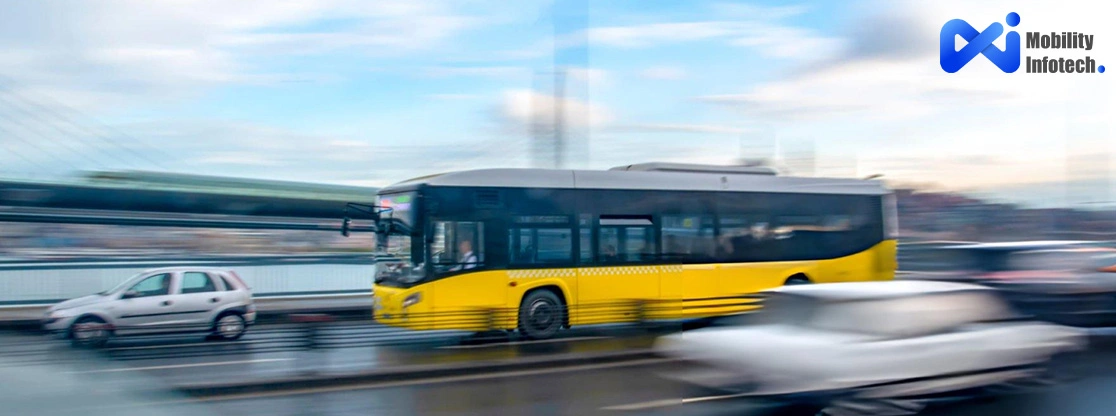
Anyone who has lived or worked in Istanbul knows that the Bosphorus is more than just a beautiful body of water - it is a daily logistical hurdle. Spanning two continents, this historic strait serves as a massive bottleneck for the millions of professionals who cross between Europe and Asia every single day.
If your corporate headquarters sit in the high-rise hubs of Levent or Maslak, but a significant portion of your workforce commutes from residential neighborhoods in Kadıköy or Üsküdar, you are already well aware of the continental strain.
The traditional way corporate Istanbul handles this is through the servis—the classic employee contract bus. For decades, these white buses have been a staple of Turkish corporate culture. However, in an era where Istanbul consistently ranks at the top of global traffic congestion indexes, the traditional, analog servis model is breaking down.
Forward-thinking fleet operators and corporate HR departments across the Turkey and Bulgaria region are realizing that solving the cross-strait commuter gap requires more than just putting more vehicles on the road. It requires transforming these vehicles into an intelligent, responsive network using dedicated shuttle booking software.
The Hard Reality of the Cross-Continent Commute
The primary issue with traditional employee transit isn't a lack of intent; it is a lack of data. Most corporate shuttle services rely on static routing. A route is planned at the start of the fiscal year based on a snapshot of employee home addresses. The bus drives the exact same path every morning, stopping at the exact same corners, regardless of whether those employees are working from home, on annual leave, or stuck in a metro station.
When traffic spikes on the 15 July Martyrs Bridge or a bottleneck chokes the entrance to the Eurasia Tunnel, these static shuttles become trapped. The driver has no alternative but to sit in gridlock.
Meanwhile, back at the office, project managers face delayed morning meetings, and employees arrive already exhausted from a two-hour battle with traffic.
From a management perspective, the inefficiencies are equally frustrating. On any given day, a 30-seater coach might cross the bridge carrying only four or five employees because there is no system to track daily attendance or cancellations. This results in wasted fuel, unnecessary toll expenses, and highly inflated operating costs.
How Modern Shuttle Software Re-Engineers the Route
Transitioning to intelligent shuttle service software fundamentally changes how a corporate fleet interacts with the city's infrastructure. Instead of treating transit as a fixed, unyielding schedule, the platform turns it into a dynamic, demand-driven service.
Dynamic Routing That Adapts to the Bosphorus
Modern platforms integrate directly with real-time live traffic data feeds across Istanbul’s arterial highways. If the software detects a sudden accident or unusual congestion on the Fatih Sultan Mehmet Bridge, it doesn't wait for the shuttle to get stuck. The system automatically recalculates the route matrix, sending an optimized alternative path directly to the driver’s navigation screen to bypass the bottleneck before it is too late.
Smart Capacity Allocation
By utilizing an intuitive mobile app interface, employees can easily reserve their seats for the week or flag days when they will be working remotely. When the shuttle software knows the exact passenger count for a specific route 12 hours in advance, fleet managers can make smart adjustments. If only eight people are commuting from a specific district on a Friday, the system routes a nimble mid-size van instead of an oversized, fuel-heavy coach.
Giving Commuters Time Back
For the employee, the biggest frustration of the traditional servis is the guessing game of when to stand on the street corner. High-precision GPS tracking and virtual geofences allow the software to send precise, automated push notifications when the shuttle is exactly five minutes away. Commuters can wait comfortably indoors or time their arrival perfectly, turning an exhausting commute into a smooth, predictable routine.
A Closer Look: Legacy Transport vs. Digital Shuttle Systems
Understanding the impact of digitization requires looking at how day-to-day operations shift when you introduce dedicated software to a corporate fleet.
| Operational Focus | The Traditional Servis | Digitized Shuttle Infrastructure |
| Route Flexibility | Fixed routes updated rarely; highly vulnerable to unexpected bridge delays. | On-the-fly adjustments based on live traffic data and active passenger drop-offs. |
| Ridership Data | Manual or non-existent tracking; zero visibility into daily vehicle usage. | Instant digital check-ins via mobile QR codes, providing clear utilization metrics. |
| Resource Management | High fuel waste from running under-capacity vehicles on congested roads. | Optimized fleet matching that deploys the right vehicle size based on real-time bookings. |
| Commuter Communication | Dependent on direct, distracting phone calls to the driver to check their location. | Live, in-app map tracking with accurate, traffic-adjusted ETAs for peace of mind. |
Designing for the Regional Regulatory Landscape
Implementing this type of digital shift across the Turkey and Bulgaria transit corridor requires an understanding of regional operational realities. It goes beyond basic mapping software.
For instance, the platform must navigate local data privacy frameworks smoothly—ensuring strict compliance with KVKK guidelines in Turkey and GDPR requirements across the Bulgarian border. Employee location profiles and corporate credentials must remain deeply encrypted and secure.
Furthermore, the entire experience needs to be fully localized. Having seamless multi-language interfaces in Turkish, Bulgarian, and English ensures that regional logistics managers, corporate clients, and local drivers can collaborate without communication barriers.
Building a Resilient Corporate Transit Strategy
At Mobility Infotech, we build robust, enterprise-grade white-label shuttle management platforms designed to take the friction out of corporate mobility. We focus on giving transport operators and enterprise businesses total clarity over their daily fleet movements.
Our technology integrates intuitive rider booking options, reliable driver navigation, and powerful central analytics into a single, cohesive system. By removing the guesswork from scheduling and giving you full visibility into real-time ridership, we help your business cut down on hidden operational leaks, optimize fuel consumption, and deliver a premium, stress-free transit experience for your teams.
If you are ready to modernize your corporate transportation network and see exactly how dynamic dispatching can optimize your fleet, let's start a conversation. Reach out to our engineering team today to set up a personalized demonstration tailored to your specific regional routes.
Frequently Asked Questions
Shuttle booking software is a digital platform that allows employees or passengers to reserve seats, track vehicles in real time, receive trip updates, and manage their daily commute through a mobile or web application.
Shuttle service software helps organizations optimize routes, improve vehicle utilization, reduce fuel consumption, minimize empty seats, and automate scheduling, leading to significant operational cost savings.
Yes. Modern shuttle software integrates with live traffic data to dynamically adjust routes, helping drivers avoid congestion, road closures, and delays while maintaining accurate arrival times.
Absolutely. Shuttle booking software is widely used by enterprises to manage employee commuting programs, streamline bookings, improve attendance visibility, and enhance the overall commuter experience.
Real-time tracking allows employees to monitor shuttle locations, receive accurate ETAs, and get automated notifications before pickup, reducing waiting times and uncertainty.

 Mobility Infotech
 October 21, 2026
BlaBlaCar Clone for Intercity Carpooling: Istanbul-Ankara and Sofia-Plovdiv Routes
On 17 August 2026, TCDD Taşımacılık raised its train fares by 6.45%, tak...
Know More Mobility InfotechOctober 14, 2026
White Label Taxi App vs Uber Clone: Which Should European Taxi Operators Choose?
Since 17 June 2024, every driver working through a ride-hailing platform...
Know More Mobility InfotechOctober 14, 2026
Taxi Dispatch Devices and MDTs: A Hardware Guide for UAE Fleets
Apple says iPhones and iPads are designed for use in ambient temperature...
Know More
Business consultant
Tell us about your vision — Taxi, Carpool, Shuttle, Airport Transfer, Car Rental, or Ride-hailing. We'll show you how fast we can get you live.