
Transforming Urban Commutes with Smart Bike Rental Platforms
 Mobility Infotech
 August 29, 2025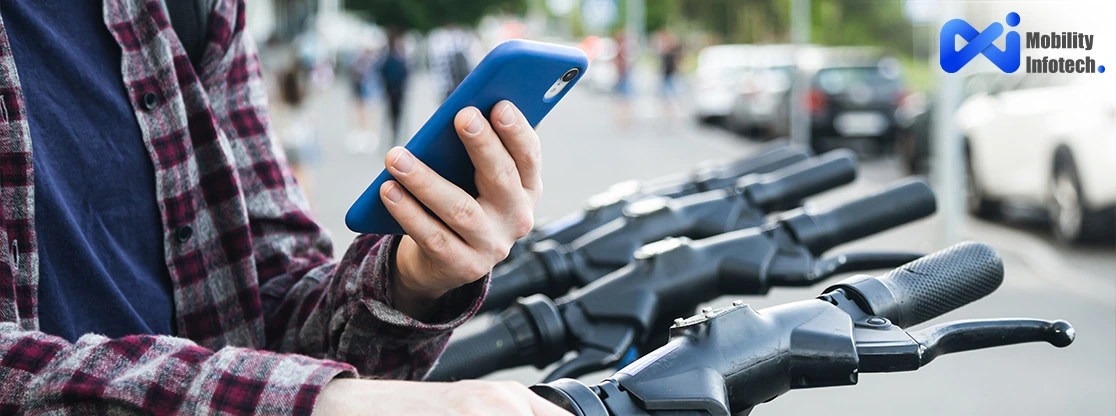
If you’ve ever lived in Metro Manila, you know the daily grind. Wake up before sunrise, rush out the door, and somehow still end up stuck in traffic. Jeepneys fill up in seconds, buses crawl through EDSA like snails, and ride-hailing apps? Either too pricey or too slow to respond. Cebu, Davao—it’s the same story. What should be a 15-minute trip often drags into an hour, sometimes more.
Now picture this. Instead of waiting on the curb, sweating under the sun for a jeepney that may never arrive, you pull out your phone, tap an app, unlock a bike nearby, and you’re off. No endless waiting. No arguing with drivers. Just you, the road, and a little bit of fresh air.
That’s the idea behind a smart bike rental booking software, and slowly but surely, it’s making its way into the Philippines.
Bikes Aren’t New—But the Way We Use Them Is
Let’s be real: Filipinos have always known bikes. In small towns, kids ride them around barangays. Workers pedal to factories. Families use them for groceries. It’s not a foreign concept.
What changed is technology. Before, having a bike meant owning one, maintaining it, and keeping it at home. Today, bike rental booking software is a common part of city transport. You don’t need to buy one—you just book, unlock, ride, and park when you’re done. The payment happens in the background, no coins or bills needed.
It feels almost too simple, which is why it works.
The Work Behind the Ride
Of course, it’s not magic. Every bike you see out there is tracked, checked, and maintained. There’s a whole system making sure the service doesn’t fall apart.
This is where operators lean on a bicycle rental management system. Think of it as the control room—tracking where bikes are, which ones need fixing, and how people are using them. Without that kind of system, the whole service would be chaos. With it, riders enjoy smooth trips, and operators keep everything in line.
More Than Just Convenience
It’s easy to dismiss bikes as a trendy idea, but the impact is bigger than convenience. Every time someone hops on a bike instead of a car, that’s one less engine pumping smoke into already polluted city air. Imagine what it could do if thousands made that choice daily—cleaner air, less noise, healthier streets.
And let’s not ignore the health angle. Cycling isn’t just about moving faster; it’s exercise disguised as commuting. You save money, save time, and get a workout in without even planning for it.
Why It Makes Sense in the Philippines
Here’s the thing: most Filipinos already use public transport. The real headache is the “last mile”—that awkward stretch from the MRT station to your office, or from the bus stop to your home. It’s too far to walk comfortably, too close to justify another ride. That’s where bikes slide in perfectly.
They’re also easier on the wallet. Daily taxis or ride-hailing trips? Not sustainable for most people. Jeepneys are affordable, but they move at the mercy of traffic. A rented bike ends up cheaper and quicker for short trips.
Add modern touches like GPS tracking and cashless payments, and suddenly, biking doesn’t feel unsafe or old-fashioned. It feels like a smart choice.
Mobility Infotech’s Piece of the Puzzle
This shift isn’t happening by accident. Companies like Mobility Infotech are quietly powering it from the back end. On the rider’s side, they make booking and payments effortless. On the operator’s side, they provide the tools—tracking bikes, handling reports, managing fleets.
Their bike hire software isn’t one-size-fits-all either. Cities can use it for public bike-sharing, schools can run it for students on campus, resorts can offer it to tourists. It’s flexible, which is why it works in so many different settings.
What’s Next?
The future looks promising. Imagine MRT stations in Quezon City with bike docks right outside, IT parks in Cebu where employees can grab a bike between meetings, or tourist spots in Baguio where visitors explore the city on two wheels instead of sitting in traffic.
Bike rentals don’t need to replace jeepneys or buses. They just need to fit alongside them. A bus for the long haul, a bike for the last two kilometers—that’s enough to make commuting feel less like a battle and more like a routine you can live with.
Final Word
The way we move in Philippine cities is slowly changing. Bikes, once seen as toys or province transport, are stepping up as a real urban solution. With reliable apps, smooth payments, and strong support systems, they’re becoming part of the daily commute.
Mobility Infotech is one of the players making sure this isn’t just a passing idea. Their tools give both riders and operators the confidence to use and run these systems. If more cities and communities adopt the model, our commutes might finally stop being horror stories—and start feeling like a simple ride through the neighborhood.
 Mobility Infotech
 September 15, 2026
Fleet Management Software Turkey: GPS, Maintenance & Driver Scoring for Istanbul Fleets
Here is a number that should worry every fleet owner in Istanbul. Averag...
Know More Mobility InfotechSeptember 14, 2026
Taxi Dispatch Software Nigeria 2026 Lagos & Abuja Operators Complete Guide
Most operators think a licence is about paperwork. In Nigeria, it is now...
Know More Mobility InfotechSeptember 11, 2026
White Label Taxi App Poland: How Warsaw Startups Launch Bolt Alternatives
In June 2024, platforms in Poland spent a Sunday night deleting drivers ...
Know More
Business consultant
Tell us about your vision — Taxi, Carpool, Shuttle, Airport Transfer, Car Rental, or Ride-hailing. We'll show you how fast we can get you live.