
Taxi Cab Software vs. Manual Dispatching: Which is Better for Your Fleet?
 Duarte Pimentel
 January 15, 2025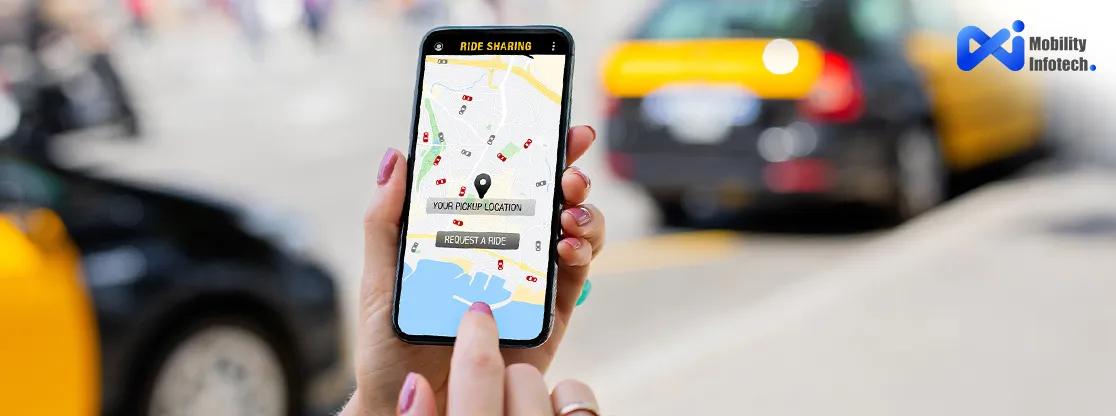
When it comes to decision-making in the midst of fleet management, making the right choice between either purchasing an innovative taxi cab software or staying with manual dispatching can define whether your mini taxi service will succeed or not. Over the years, the transportation sector has changed significantly and many fleet owners have been put to the task of whether to adopt modern technology or not.
Taxi Cab Software vs. Manual Dispatching
This is the modern age where no one has time to book a taxi manually or wait for confirmation if a service provider can arrange your cab, This is the digital age where the world is at your fingertips so why not the taxis why and what you should choose is still a big debate in this era. In this blog, let us discuss both options to understand specific advantages and which is more suitable for your fleet in the USA or in Canada, taxi cab software or manual dispatching.
Understanding Manual Dispatching
The traditional way of dispatching is the use of landline phones, radiophones, or mobile phones to dispatch rides to the drivers. This process usually involves a dispatcher sorting out the customer’s call and dispatching the details to the drivers using a manual approach.
Pros of Manual Dispatching
- Simplicity: When it comes to ride-sharing, it is far simpler to use a phone to call for a ride. If you are operating small fleets or companies that are just beginning to operate, this can appear as the most feasible approach.
- Cost-Effective: You can start the service with no subscription fee for software and no need for specialized hardware. For instance, if you are starting and have a few vehicles, it may seem that manual dispatching will cost you nothing.
- Personal Touch: Manual dispatching provides opportunities for direct communication with the drivers and passengers which helps in managing a good relationship with the customers.
Cons of Manual Dispatching
- Inefficiency: The use of manual methods might be time-consuming, particularly when you are operating a large number of vehicles. It is possible for dispatchers to fail to multi-task, which may mean missing out on potential work or taking longer to get back to customers.
- Higher Potential for Errors: It becomes a real possibility to make mistakes in situations that rely on human opinion. A wrong phone number, a missed message, or a simple typo can lead to major problems for both drivers and passengers.
- Lack of Real-Time Tracking: Manual dispatching does not let you track the taxi/ cab in real-time in the absence of GPS integration. The dispatcher can only rely on the words of the driver.
- Limited Scalability: As your fleet grows, manual dispatching becomes increasingly difficult to manage, and it becomes more challenging to meet customer expectations for fast, reliable service.
Understanding Taxi Cab Software
Taxi cab software can be defined as software solutions that are aimed at the automation of the overall booking and dispatching of taxis as well as tracking the location of the taxi. These functions of software often consist of GPS tracking, the present status of the ride, auto-booking, prices, and the choice of the best route. It smoothly works with mobile applications for both drivers and passengers and looks less conventional than old-fashioned fleet management systems.
Pros of Taxi Cab Software
- Efficiency and Speed: In choosing the appropriate software for a taxi cab, the dispatching function is performed with much more efficiency and precision than when done manually. The actual job of dispatching is made much easier and less time-intensive by these tools, making operations more efficient.
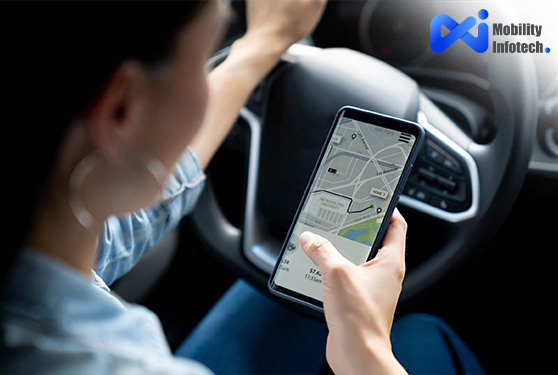
- Real-Time Tracking: The GPS solution is used to enable the dispatcher and the customers to track the vehicle online. This enhances the actual predicted time of arrival, thereby resulting in high customer satisfaction.
- Route Optimization: The taxi booking system depends on code that can predict the most optimal routes based on the traffic flow. This helps reduce the time to reach the destination, resulting in fuel consumption and vehicle deterioration.
- Scalability: When you get more fleets, there is a guarantee that the taxi cab software will have the capacity to accommodate the increased demand and integration of more drivers.
- Comprehensive Reporting and Analytics: Common features of taxi dispatching software consist of features that track performance as well as monitor driver behavior, generate ride statistics, and provide route suggestions. It enables the fleet owners to make decisions that will enhance the service delivery based on statistics.
- Customer Satisfaction: The taxi dispatch system allows the customer to book the taxi from their mobiles and allows them to pay through multiple payment methods, including Apple Pay, credit cards, and other apps. It also allows the driver and the customer to give feedback to each other.
Cons of Taxi Cab Software
- Initial Investment: The development of dispatching taxi software may entail large initial costs, especially in the acquisition of software, and annual or per-feature fees in addition to the initial license cost.
- Learning Curve: While software can significantly improve efficiency, there may be a learning curve for both drivers and dispatchers who are used to traditional methods.
- Dependence on Technology: A reliance on technology means that any downtime or technical issues can disrupt operations. However, many modern software solutions come with 24/7 customer support to minimize this risk.
Which Option is Best for Your Fleet?
When it comes to deciding between taxi cab software and manual dispatching, several factors need to be considered:
- Fleet Size: If you have a small fleet, manual dispatching may suffice in the beginning. However, as your fleet grows and your operations become more complex, taxi cab software will become increasingly beneficial.
- Budget: While manual dispatching has no upfront costs, the inefficiencies and potential errors may cost you more in the long run. Taxi cab software comes with initial costs but can provide a solid return on investment through increased efficiency and improved customer satisfaction.
- Customer Expectations: Today’s consumers expect fast, reliable service with real-time updates. Taxi cab software can meet these demands far more effectively than manual dispatching.
- Scalability: If you plan to expand your fleet in the future, taxi cab software offers the scalability to support that growth.
Also, read - The Evolution of Taxi Dispatch Software: From Manual to Digital Solutions
Conclusion
If you are a fleet owner in the USA or in Canada, then Taxi dispatching software is the real winner for your business in most cases. Compared to traditional manual dispatching methods, taxi dispatching software offers greater benefits through automation, real-time tracking, and route optimization, especially as your fleet grows. While the upfront investment may seem steep, the increased efficiency, customer satisfaction, and long-term savings make it a smart choice for the modern taxi service.
By implementing the right cab dispatch software, your fleet can operate more smoothly, and you’ll be well-equipped to compete in the fast-paced world of transportation. If you haven’t already made the switch, it may be time to explore the options available to you.
Need help choosing the right taxi cab software for your fleet? Contact Mobility Infotech the best taxi app development company to learn more about our innovative solutions designed to streamline your dispatching process and elevate your business to the next level.
FAQs
1. What is the main difference between manual dispatching and taxi cab software?
The main difference is automation. Manual dispatching relies on phone calls, radios, or messages to assign rides, while taxi cab software automates this process, integrating features like GPS tracking, real-time ride status, route optimization, and digital booking systems.
2. How does taxi cab software improve customer satisfaction?
The ride booking app enhances customer satisfaction by providing features like accurate, real-time ride tracking, faster response times, seamless payment processing, and easy mobile app booking, ensuring a more reliable and convenient experience for passengers.
3. Is taxi cab software suitable for small fleets?
Yes, while taxi cab software is often associated with larger fleets, it can be beneficial for small fleets, too. Many software solutions are scalable and can be tailored to the needs of smaller businesses, improving efficiency and helping manage growth as the fleet expands.
4. What are the costs associated with adopting taxi cab software?
The costs of taxi cab software vary based on the provider and the features offered. There are usually initial setup costs, which may include purchasing software and an ongoing subscription or maintenance fee. However, the return on investment through improved efficiency and customer retention can offset these costs over time.
5. Can taxi cab software help reduce operational costs?
Yes, taxi cab software or ride-hailing software helps reduce operational costs by optimizing routes, improving fuel efficiency, and minimizing human errors in dispatching. The time savings and increased productivity can lead to reduced overhead and maintenance costs, ultimately making the operation more cost-effective.
 Mobility Infotech
 September 29, 2026
How Sofia Taxi Companies Are Using AI Dispatch to Outcompete Uber in 2026
Bulgaria holds a title nobody talks about. It is the only country in the...
Know More Mobility InfotechSeptember 28, 2026
On-Demand Delivery Platform Belgium: Quick Commerce for Antwerp & Ghent
A courier in Antwerp gets $410–$420 fine for driving the wrong van into ...
Know More Mobility InfotechSeptember 26, 2026
Car Rental Software Belgium: Build a Zipcar-Style Self-Drive Fleet in Brussels
Two well-known names quit this business recently. Panek shut its Polish ...
Know More
Business consultant
Tell us about your vision — Taxi, Carpool, Shuttle, Airport Transfer, Car Rental, or Ride-hailing. We'll show you how fast we can get you live.