
Taxi Dispatch Software for South African Metered Taxi Operators Competing with Global E-Hailing Apps
 Mobility Infotech
 November 25, 2026

A metered taxi waits at a Sandton hotel rank for forty minutes. Across the road, a guest taps an app and is collected in four. The metered driver is licensed, experienced and knows the city better, yet the trip still goes elsewhere.
That gap is about booking, not driving. With the right taxi dispatch software, a metered operator can offer app booking, live tracking and card payments under its own brand, while keeping the strengths global apps cannot copy easily: local drivers, rank presence and long-standing business clients. This guide explains how South Africa’s new transport rules affect metered operators and which features help them win trips back.
Why Metered Taxis Are Losing Trips
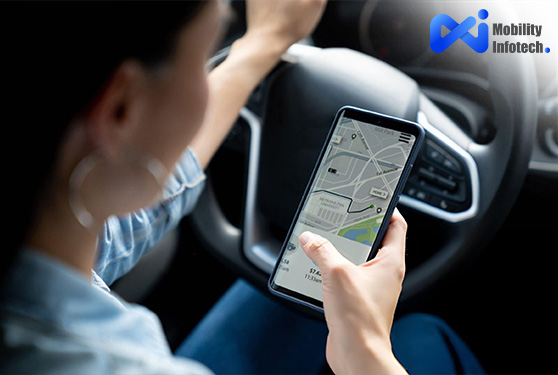
Global platforms set rider expectations. Bolt and Uber dominate South Africa’s ride-hailing market, and their riders now expect upfront booking, a visible driver and an arrival time on screen.
Metered operators still hold real advantages. taxi dispatch software They have established ranks at airports, hotels and malls, relationships with corporate clients and drivers with years of local knowledge. What many lack is a booking channel that matches the convenience of the big apps.
A white-label taxi app fills that gap under the operator’s own name. Mobility Infotech builds taxi dispatch platforms with hybrid dispatch, live tracking, and a corporate console for B2B accounts, and has delivered ride-hailing projects for African markets, including the Lagos-based Yanga Ride.
What the 2025 Law Changes for Metered Operators
South Africa’s rules changed significantly in 2025. The National Land Transport Amendment Act, gazetted for implementation on 12 September 2025, officially recognises e-hailing as a regulated type of public transport.
The new framework brings clear obligations. E-hailing vehicles need panic buttons and must be branded or signed as e-hailing vehicles, and the national regulator handles the apps while provinces license the vehicles. App developers who let users operate without an operating licence risk a fine or up to two years in jail.
This matters for metered operators too. cab dispatch software Department of Transport spokesperson Collen Msibi said drivers using metered permits for app work would need to “convert their current charter permits and metered operating permits” into e-hailing licences.
Before launching any taxi software with app booking, confirm with your Provincial Regulatory Entity which licence your service needs. A metered operator adding app bookings may fall under different rules than one simply digitising rank and phone dispatch.
Where Metered Operators Can Win
Competing on price alone with global platforms is hard. Competing on reliability, trust and service is more realistic. Strong taxi dispatch software helps you lean into those strengths.
- Corporate and hotel accounts: Businesses want monthly invoices, trip records, and drivers they can trust with staff and guests. Accounts with hotels, hospitals and offices can bring steady trips that don’t depend on surge-driven demand.
- Airport and pre-booked rides: Many riders prefer booking airport runs in advance with a known operator. Scheduled bookings, flight-time pickups and fixed meeting points suit metered fleets well.
- Safety and local trust: Riders increasingly care about who is driving. Verified drivers, branded vehicles and live trip sharing turn your local reputation into something visible inside the app.
Features That Close the Gap With Global Apps
You don’t need every feature a global app has. You need the ones riders notice first. Good cab dispatch software for a metered fleet should cover:
- Rider app with live tracking: riders book, see the driver approaching, and get arrival updates, just as they would on any major platform.
- Hybrid dispatch: automatic assignment for app bookings alongside manual control for rank, phone and VIP trips, so dispatchers stay in charge when it matters.
- Corporate accounts: company bookings, monthly budgets and automated monthly invoicing with detailed trip logs, which reduce billing disputes with business clients.
- Flexible payments: card payments for app users, while still supporting how your existing rank and phone customers prefer to pay.
- Driver app: clear trip details, navigation, and earnings records, so drivers trust the system and stay active on it.
Running the Fleet Behind the App
The rider app attracts customers. The back office keeps you compliant and profitable. Taxi management software should help you track:
- Driver documents, including Professional Driving Permits and operating licences, with alerts before anything expires.
- Vehicle records such as branding, roadworthiness and safety equipment, so inspections never catch you unprepared.
- Trip, revenue and commission reports by driver, vehicle and account, giving owners a clear picture of which cars earn the most.
- Corporate account usage, so you can review service levels with each client before renewal.
Keep the setup simple at launch. Add more reports only once your team uses the basics every week.
Questions to Ask Before You Choose a Platform
Use these questions to judge any taxi dispatch software vendor before committing:
- Can the platform run under your brand in app stores, with your logo, colours and company details?
- Does it support both app dispatch and manual dispatch for rank, phone and corporate bookings?
- Can admins store driver and vehicle documents and block anyone whose licence has expired?
- Is there a corporate module with monthly invoicing and exportable trip logs for business clients?
- Can you test it with real drivers and rides before signing a long contract?
Turning Local Trust Into App Bookings
Metered operators already have what many riders want: experienced drivers, local presence, and accountability. Adding a modern booking channel, while staying on the right side of the new licensing rules, lets you compete for trips that currently go to global apps.
Mobility Infotech offers white-label taxi dispatch software with hybrid dispatch, live tracking, corporate accounts, and automated reporting. You can start a 21-day free trial with no credit card required, or book a demo to plan your fleet’s move to app booking.
References
- MyBroadband, “Big legal changes for Uber and Bolt in South Africa”, September 2025. https://mybroadband.co.za/news/motoring/610821-big-legal-changes-for-uber-and-bolt-in-south-africa.html
- Daily Maverick, “180-day countdown: SA’s e-hailing industry teeters on illegal status”, 16 February 2026. https://www.dailymaverick.co.za/article/2026-02-16-180day-countdown-sas-ehailing-industry-teeters-on-illegal-status/
- Jacaranda FM, “What the new e-hailing regulations in SA mean for drivers”, September 2025. https://www.jacarandafm.com/shows/breakfast/what-new-regulations-e-hailing-drivers-sa-include/
- Taxi dispatch software features and Yanga Ride case study, mobilityinfotech.com. https://www.mobilityinfotech.com/best-taxi-dispatch-software
Frequently Asked Questions
Metered operators can attract these customers by offering convenient app bookings, transparent fares, live driver tracking, and reliable pickup times. Promoting local expertise, established business relationships, and consistent service can also help differentiate their services from global platforms.
Yes. A suitable platform can manage bookings across multiple ranks, branches, and operating zones through a central dispatcher panel. Fleet owners can monitor vehicle availability, assign nearby drivers, and track bookings across locations without managing each rank separately.
Operators can partner with hotels, airports, hospitals and businesses that regularly need employee or guest transportation. Corporate account features, scheduled bookings, centralised billing, and trip reports make these partnerships easier to manage and create opportunities for recurring revenue.
Consider setup fees, monthly subscriptions, per-trip charges, payment gateway fees, app maintenance, and additional feature costs. Also check whether driver and passenger apps, dispatcher panels, hosting, and technical support are included. Compare the total operating cost before choosing a platform.
Involve drivers during the trial period and demonstrate how the driver app simplifies trip assignments, navigation, and earnings records. Provide basic training, collect feedback, and maintain manual dispatch options during the transition. This helps drivers adapt without disrupting daily operations.
 Mobility Infotech
 November 25, 2026
Uber Clone App for Brussels: What Ride-Hailing Founders Must Know About Licensing in 2027
A ride-hailing app can be ready in a few weeks. A Brussels licence can t...
Know More Mobility InfotechNovember 25, 2026
Taxi Dispatch Software for South African Metered Taxi Operators Competing with Global E-Hailing Apps
A metered taxi waits at a Sandton hotel rank for forty minutes. Across t...
Know More Mobility InfotechNovember 24, 2026
Custom Taxi App Development vs White Label Taxi App: Which Fits a US Fleet in 2027?
A 60-car fleet owner in Phoenix collects two quotes for a booking app. O...
Know More
Business consultant
Tell us about your vision — Taxi, Carpool, Shuttle, Airport Transfer, Car Rental, or Ride-hailing. We'll show you how fast we can get you live.