
Carpooling and Ridesharing in India: Can They Reduce Single-Occupancy Commutes?
 Dustin Pratt
 April 12, 2025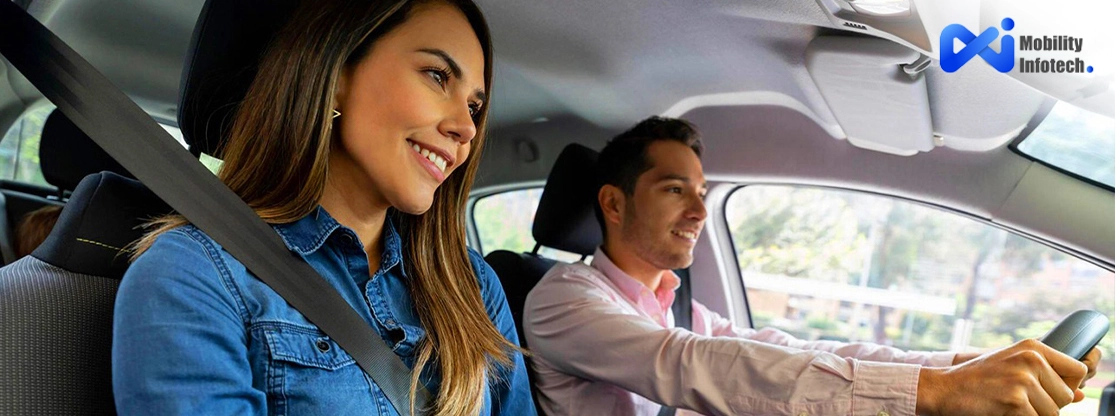
The cities of India suffer from three major issues, which include heavy traffic flow combined with pollution levels and wasted commuting time because of congestion. Customers from major cities, including Delhi, Bengaluru, Mumbai, and Hyderabad, start their workday while traveling in personal vehicles. People find this pattern beneficial for their personal needs, while Indian society faces massive economic burdens. Carpooling, along with ridesharing apps, has started to become increasingly popular as an answer to spreading urbanization, environmental challenges, and increasing fuel expenses.
The prospects of these models to decrease single-occupancy travel patterns in India remain uncertain. Let’s explore.
Understanding the Commute Crisis in India
Indian metro cities face an escalating problem with their daily transportation systems becoming disadvantaged. Research from the Centre for Science and Environment (CSE) shows that private cars have a transportation share of 14-15% yet exhibit more than 70% roadway ownership. Worst of all, the majority of these solitary vehicles contain only the driver seated behind the wheel.
This inefficient use of space contributes to:
- Massive traffic congestion
- Increased carbon emissions
- Longer commute times
- Reduced economic productivity
The question of reducing solo travelling road vehicle numbers becomes critical because Indian vehicles are expected to double over the next decade without limiting mobility.
The Promise of Carpooling and Ridesharing
Shared transportation through carpooling and ridesharing apps between multiple riders, along with cost sharing, proves to be a more intelligent method of travel. Carpooling benefits present an economic and sustainable transportation option that provides life-enhancement potential when communities adopt it at a nationwide level.
Benefits at a glance:
- Each person in the carpooling system shares the expenses related to fuel usage and tolls, increasing commuter incentives.
- Shared transit reduces both vehicle numbers and environmental emissions, thereby decreasing the carbon footprint.
- Single vehicles transporting four individuals will reduce up to three instances of individual driving.
- The same riders in carpooling relationships develop strong bonds with each other because they maintain a steady carpooling relationship.
Also Read: Carpool App Safety Features
The Rise of Shared Mobility in India
As a familiar practice, India understands shared vehicle use through various means of transportation. Shared mobility is already established through traditional auto-rickshaw passenger sharing in cities and towns, and modern smartphone application-based pooling in urban areas. During recent times, these digital platforms:
- Quick Ride
- sRide
- UberPool (temporarily suspended post-COVID)
- BlaBlaCar (for inter-city rides)
Have shown the willingness of Indian commuters to explore smarter transport options.
Fun fact: Bengaluru is often referred to as the "Carpool Capital" of India, with lakhs of users registered on apps like Quick Ride.
Challenges to Adoption
Despite the benefits and technological support, carpooling software and ridesharing haven’t yet seen explosive growth in India. Why?
- Trust & Safety Concerns
Indians are understandably cautious about riding with strangers, especially women. Lack of verified profiles and background checks adds to the hesitation.
- Inconvenient Coordination
Not everyone starts work at the same time. Variations in pick-up and drop-off locations, office timings, and personal routines make carpooling seem inconvenient.
- Regulatory Uncertainty
In some cities, authorities have cracked down on private vehicles being used for commercial ride-sharing, creating a gray area for platforms and users.
- Cultural Habits
Owning and driving your own car is still a status symbol in many Indian households. The shift from "ownership" to "access" is slow but evolving.
The Way Forward: Making Carpooling Work in India
For carpool app software and ridesharing to truly reduce single-occupancy commutes, we need a multi-pronged approach:
1. Policy Support & Government Initiatives
The government can lead the way by:
- Providing incentives for shared rides (toll discounts, priority lanes)
- Encouraging companies to promote employee carpooling
- Investing in awareness campaigns about the environmental and economic benefits
States like Karnataka have already launched carpool-friendly policies; others need to follow suit.
2. Corporate Involvement
Large tech parks and IT companies can be game-changers. Companies like Infosys and Wipro have internal rideshare programs to reduce traffic to their campuses. More corporations can:
- Tie up with platforms like Quick Ride or sRide
- Allocate carpool parking spaces
- Reward employees who opt for shared commuting
3. Enhanced Tech & AI Matching
Advanced apps using AI and real-time data can solve the coordination challenge. By matching people based on timing, routes, and preferences (e.g., gender-specific pools), platforms can make the experience seamless and reliable.
4. Improving Safety Standards
From background checks to SOS features, safety is paramount. Platforms that emphasize secure rides through Aadhaar-verified profiles, real-time tracking, and emergency helplines are likely to win user trust.
5. Cultural Shift through Awareness
Young India, especially Gen Z and Millennials, is more open to sustainable travel and shared economy models. With the right storytelling—videos, influencer campaigns, success stories—carpooling can become aspirational rather than just economical.
The Bigger Picture: Shared Mobility as a Sustainability Tool
Reducing single-occupancy commutes isn’t just about traffic. It’s a question of sustainability. India has committed to cutting down its emissions intensity by 45% by 2030 (as per the Paris Agreement). Shared mobility will be a key pillar in that effort.
Every carpool ride taken is:
- One less car stuck in traffic
- One less litre of fuel burned
- One step closer to cleaner air
Final Thoughts: Small Steps, Big Impact
At Mobility Infotech, we believe in leveraging innovation and community to solve urban challenges. Carpooling benefits and ridesharing are more than just buzzwords—they’re part of a cleaner, smarter future.
If even 10% of single-occupancy commuters in India opted to carpool just thrice a week, the impact would be profound. The roads would breathe easier. So would we.
The road to better mobility starts with one shared ride. Will you take it?

 Mobility Infotech
 October 23, 2026
BlaBlaCar Clone App: Building an Intercity Carpooling Platform for Poland and Belgium
Belgian rail operator SNCB recorded 27 strike days in 2025, and a five-d...
Know More Mobility InfotechOctober 23, 2026
Airport Driver Dispatch Software: Managing DXB and AUH Transfers
Dubai International Airport handled a record 95.2 million passengers in ...
Know More Mobility InfotechOctober 23, 2026
Limo Dispatch Software vs Limo Booking Software: What's the Difference?
Dubai's e-hail limousine sector completed 41 million trips in 2025, up 2...
Know More
Business consultant
Tell us about your vision — Taxi, Carpool, Shuttle, Airport Transfer, Car Rental, or Ride-hailing. We'll show you how fast we can get you live.