
Shuttle Management Software for Turkish Employee Transport (Personel Servisi): Routes, Seats and Billing
 Mobility Infotech
 November 26, 2026
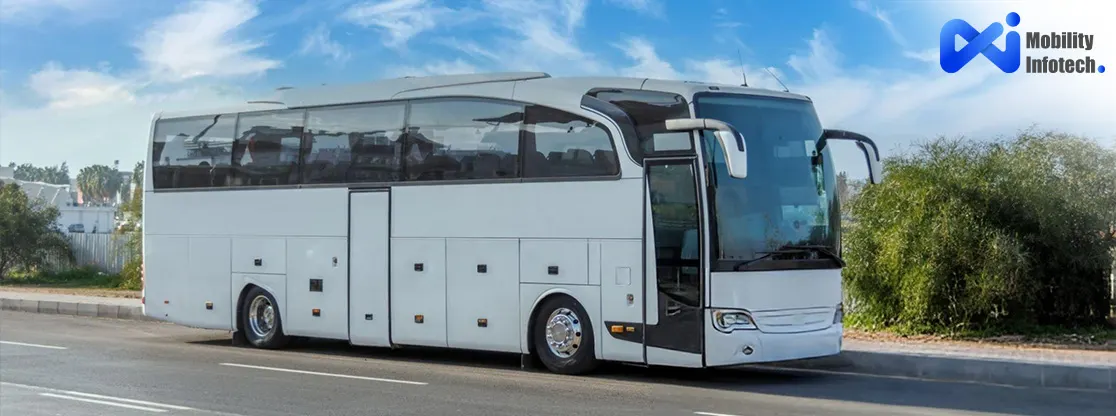
It is 5:40 a.m. in Gebze. Forty personnel servis buses are heading to an industrial zone; the morning shift starts at 7:00, and the HR team is still updating a spreadsheet of who moved house, who changed shifts, and which stop was cancelled last week. One wrong row means an employee left waiting at a bus stop in the dark.
Most Turkish companies and servis operators know that routine well. Good shuttle management software replaces the spreadsheet with shift-based routes, seat-level headcounts, live tracking, and clean monthly reports. This guide explains how it works for personel servisi in Turkey, what new rules mean for your fleet, and which questions to ask before choosing a platform.
Why Personel Servisi Is Getting Harder to Run
Costs are rising fast. In Ankara, UKOME approved a 30% increase in student and personnel servisi fees. When every vehicle costs more, half-empty buses and wasted kilometres hurt both the operator and the company paying the contract.
Safety rules are tightening too. A Karayolları Trafik Yönetmeliği change published on 19 August 2025 requires vehicle tracking, interior and exterior cameras, a recording device and an emergency button in commercial passenger vehicles such as buses and minibuses. It applies immediately to newly registered vehicles and is being phased in for existing vehicles between 2026 and 2028.
Hardware handles the cameras. The daily planning still needs a system. Modern shuttle service software connects routes, passengers and reports in one place. Mobility Infotech’s shuttle platform supports multiple office routes, shifts and pickup points, with automated rostering, live tracking and performance reporting for workforce transport.
Routes Built Around Shifts, Not Habits
Many personel servisi routes were planned years ago and only patched since. Effective shuttle management software starts with your shift calendar and employee addresses, then builds routes around them.
Planning by shift and site
Factories, hospitals and call centres often run two or three shifts across several sites. Each shift needs its own route set, pickup times and vehicle sizes. A platform that handles routes per site and per shift keeps the 7:00 day shift from being planned on the same sheet as the 23:00 night shift.
Adjusting as things change
Employees move from Pendik to Tuzla, new hires join, and seasonal demand shifts. Route optimisation that considers traffic, demand, occupancy, and time windows helps you redraw routes in days instead of weeks. Review routes at least every quarter, even if no one complains.
Seats and Headcounts
Empty seats are the quietest cost in employee transport. A 27-seat minibus carrying 11 people every day costs nearly the same as a full one.
Shuttle booking software gives each employee a simple way to confirm their seat and boarding point. That turns guesswork into data:
- Daily headcounts per route: operators see who is expected at each stop, so drivers stop waiting for people who already found another way.
- Occupancy trends: HR can spot routes that run below capacity for weeks and merge them, or switch to a smaller vehicle.
- Capacity limits: seat visibility helps prevent overcrowding, which matters for safety and for staying within each vehicle’s registered seat count.
Start with confirmation for one shift or one site before rolling it out company-wide. Adoption is easier when employees see the bus arrives on time.
Live Tracking and Daily Dispatch
Once buses leave the garage, most coordinators rely on phone calls to drivers. Bus dispatch software changes that. Dispatchers see every vehicle on a map, track delays as they happen, and alert shift supervisors before staff arrive late.
Employees benefit too. With live ETAs and alerts, they can leave home at the right time instead of standing at the stop for twenty minutes in winter. Fewer missed pickups also means fewer arguments between HR and the servis firm.
Billing and SLA Reporting
Personel servisi contracts usually involve a monthly payment and a long list of expectations: punctuality, vehicle condition, driver behaviour and capacity. Disputes start when neither side has reliable data.
A bus fleet management system with proper reporting gives both sides the same numbers. Mobility Infotech’s dashboards track on-time performance, route adherence, stop dwell time, trip duration and seat utilisation, alongside SLA reporting and transaction reports.
Use that data in a monthly review:
- Compare on-time arrival rates by route against the contract’s service levels.
- Check seat utilisation before renewing vehicle numbers or sizes for the next period.
- Review missed or cancelled trips, with timestamps, before approving the monthly invoice.
- Agree on any route or vehicle changes in writing, based on the same report.
Ask any vendor how billing exports work with your accounting setup, since contract structures differ between per-vehicle, per-route and per-kilometre pricing.
Questions to Ask Before You Choose a Platform
Use these questions in every demo to judge whether a shuttle management software option fits Turkish employee transport:
- Can routes, capacity and schedules be set separately for each site and each shift, including night shifts?
- Does the driver app show the passenger list and boarding status at every stop?
- Can dispatchers see delays and route deviations live without calling drivers?
- Are on-time, utilisation, and SLA reports ready to download for HR, finance, and the servis operator?
- Is the interface available in Turkish, and can it be configured for operations in other countries such as Bulgaria?
- Is there a free trial so you can test with one real route before signing?
Running Personel Servisi on Data, Not Guesswork
Rising servis costs and stricter vehicle rules leave little room for empty seats, late buses or disputed invoices. The companies and operators who handle this best plan routes around real shifts, confirm seats daily, and settle every month with shared data.
Mobility Infotech offers a white-label shuttle platform with shift-based scheduling, seat booking, live tracking, and SLA reporting for workforce transport. You can start a 21-day free trial with no credit card required, or book a free 60-minute discovery session to map your own routes.
Frequently Asked Questions
The system should allow HR teams or dispatchers to update employee schedules, pickup points, and route assignments without rebuilding the entire transport plan. It should notify affected drivers and employees about changes, helping prevent missed pickups and ensuring buses remain aligned with actual shift requirements.
Yes. A central platform can manage multiple servis operators, vehicles, and routes across different company locations. HR teams can monitor each vendor's performance, compare punctuality and seat utilisation, and review contract-specific service levels. This makes transport coordination easier when different operators serve different factories or office sites.
Route optimisation analyses employee locations, traffic conditions, pickup windows and vehicle capacity to identify more efficient routes. Operators can reduce unnecessary kilometres, avoid overlapping routes and assign appropriately sized vehicles. Over time, this can lower fuel consumption, improve vehicle utilisation and make monthly servis contracts easier to manage.
Route planning typically requires employee pickup addresses, workplace locations, shift timings, boarding preferences, and transport eligibility. Operators should also maintain updated employee records when staff relocate or change shifts. Access controls and appropriate data protection practices are important when handling personal information under Turkey's KVKK requirements.
Yes, depending on the platform's billing capabilities and configuration. It can generate trip records, completed kilometres, vehicle utilisation, cancelled trips, and route-level reports. Operators can use these records to prepare invoices under per-trip, per-kilometre, or fixed-route contracts and resolve billing disagreements with corporate clients.
 Mobility Infotech
 November 26, 2026
Shuttle Management Software for Turkish Employee Transport (Personel Servisi): Routes, Seats and Billing
It is 5:40 a.m. in Gebze. Forty personnel servis buses are heading to an...
Know More Mobility InfotechNovember 25, 2026
Uber Clone App for Brussels: What Ride-Hailing Founders Must Know About Licensing in 2027
A ride-hailing app can be ready in a few weeks. A Brussels licence can t...
Know More Mobility InfotechNovember 25, 2026
Taxi Dispatch Software for South African Metered Taxi Operators Competing with Global E-Hailing Apps
A metered taxi waits at a Sandton hotel rank for forty minutes. Across t...
Know More
Business consultant
Tell us about your vision — Taxi, Carpool, Shuttle, Airport Transfer, Car Rental, or Ride-hailing. We'll show you how fast we can get you live.